In Focus: The MFA Review: Belfast School of Art, Ulster University
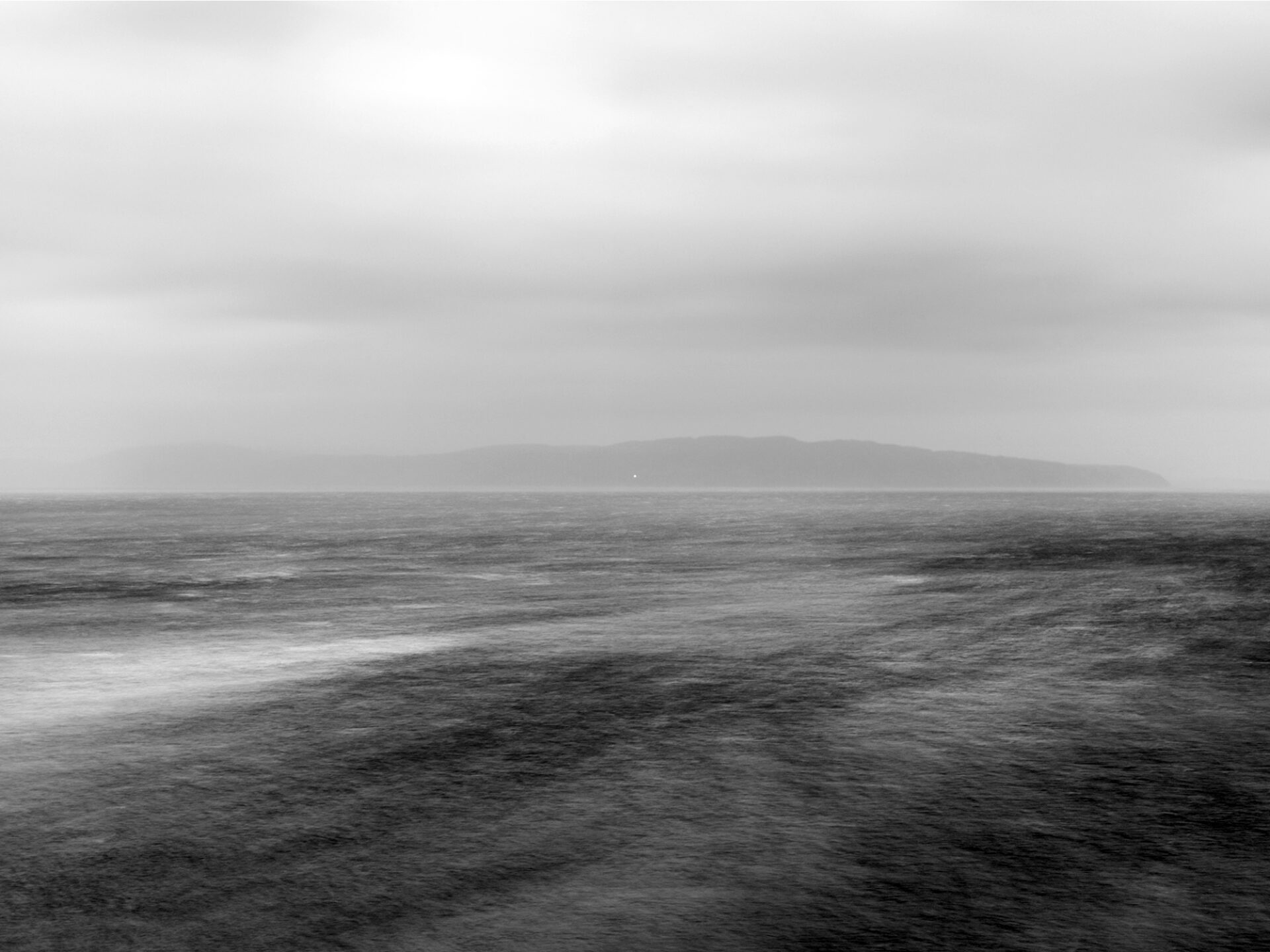
©Donovan Wylie, Faculty
Each installment of In Focus: The MFA Review highlights a different MFA program for photographic artists, offering readers a concise overview of its identity, curriculum, faculty, student experience, financial support, and post-graduation outcomes. It also serves as a showcase of the creative work produced by faculty, students, and alumni. Rather than functioning as rankings or endorsements, these features are intended as practical starting points—tools to help prospective students compare programs, identify what matters most to them, and make more informed decisions about their graduate education. While certain details shared in these articles may change over time, my hope is that these program snapshots offer a clear sense of what each represents in the present moment.
Thank you to Ken Grant for completing this interview and compiling all the images/resources!
Institution name: Belfast School of Art, Ulster University
Degree Title: MFA in Photography
Location: Belfast, Northern Ireland; or fully online
Link to Program Page: https://www.ulster.ac.uk/courses/202627/photography-mfa-40394
Link to Application Page: https://www.ulster.ac.uk/courses/202627/photography-mfa-40394
Instagram: @mfaphotobelfast
Additional Links: https://www.ulster.ac.uk/courses/202627/photography-mfa-elearning-40461
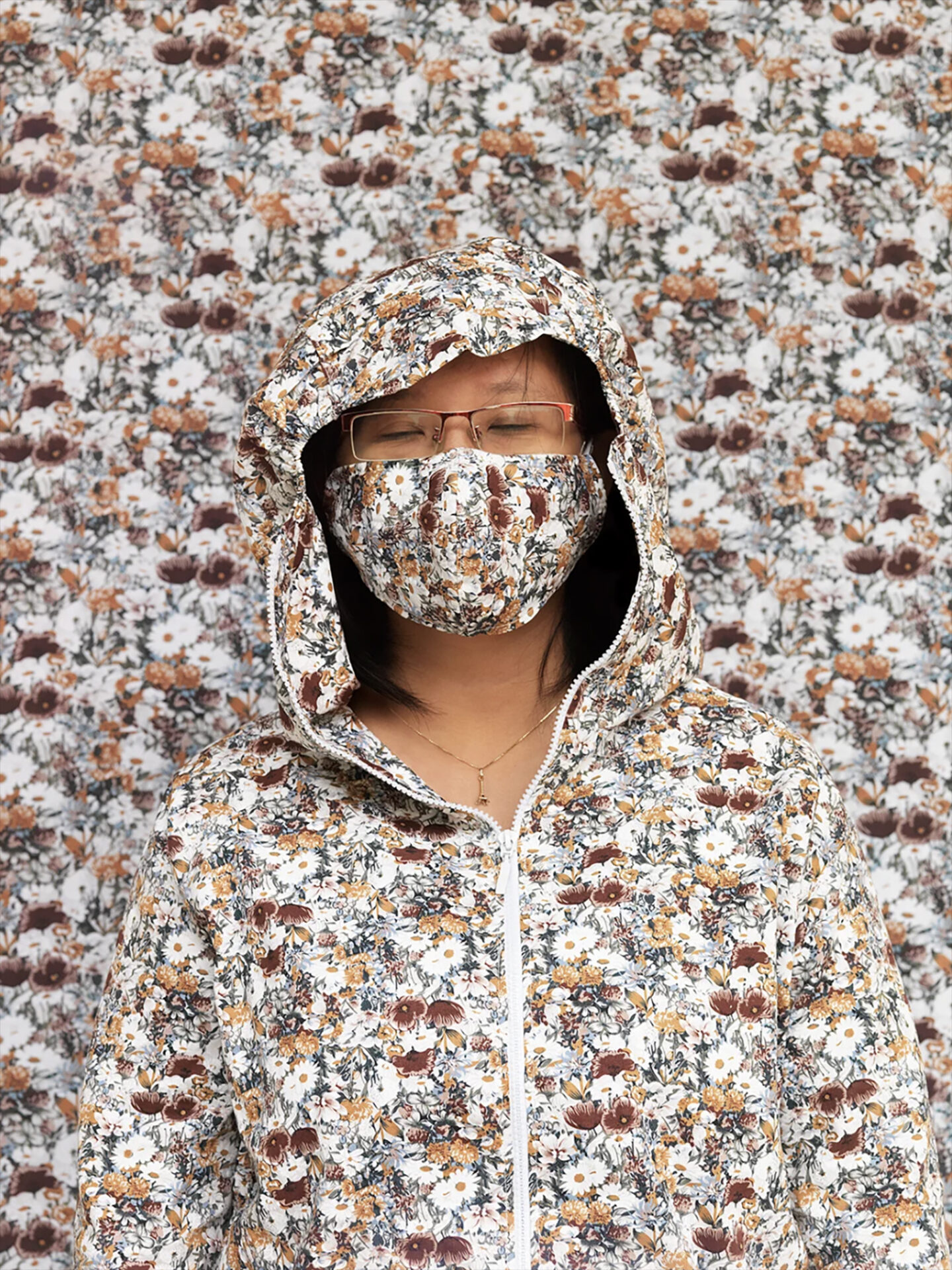
©Ailbhe Greaney, Alum
Tell us a little about your program. How would you define its scope and purpose?
Situated in the heart of Belfast city’s Cultural Quarter, the program sits within the Belfast School of Art, a part of the wider Ulster University. Currently the only dedicated MFA Photography program in Ireland, and taught by internationally acclaimed photographers, curators and artists, it contributes significantly to the region’s growing status as a place of innovation and creative development. It regularly collaborates, through its professional networks, with photography schools and institutions across Europe, Asia and the US, through workshops, fieldwork and joint initiatives that bring students their own networks and a close understanding of the industry and its career potential. Our ambition is to inspire students to make work that is personally driven, yet capable of speaking, more broadly, to the most pressing issues of today. In Ireland, Photography and the wider Arts have long sat at the heart of its cultural development, and the program brings the most innovative voices and ideas to the region for a weekly industry lecture series. Graduates of the program can be found internationally, as they progress their careers through exhibitions, publications and a range of career pathways in photography and the cultural industries. Belfast itself has become a buoyant city for photography and culture, education and research, and the faculty initiates conferences, exhibitions and public events both in the city and in collaboration with partners internationally.
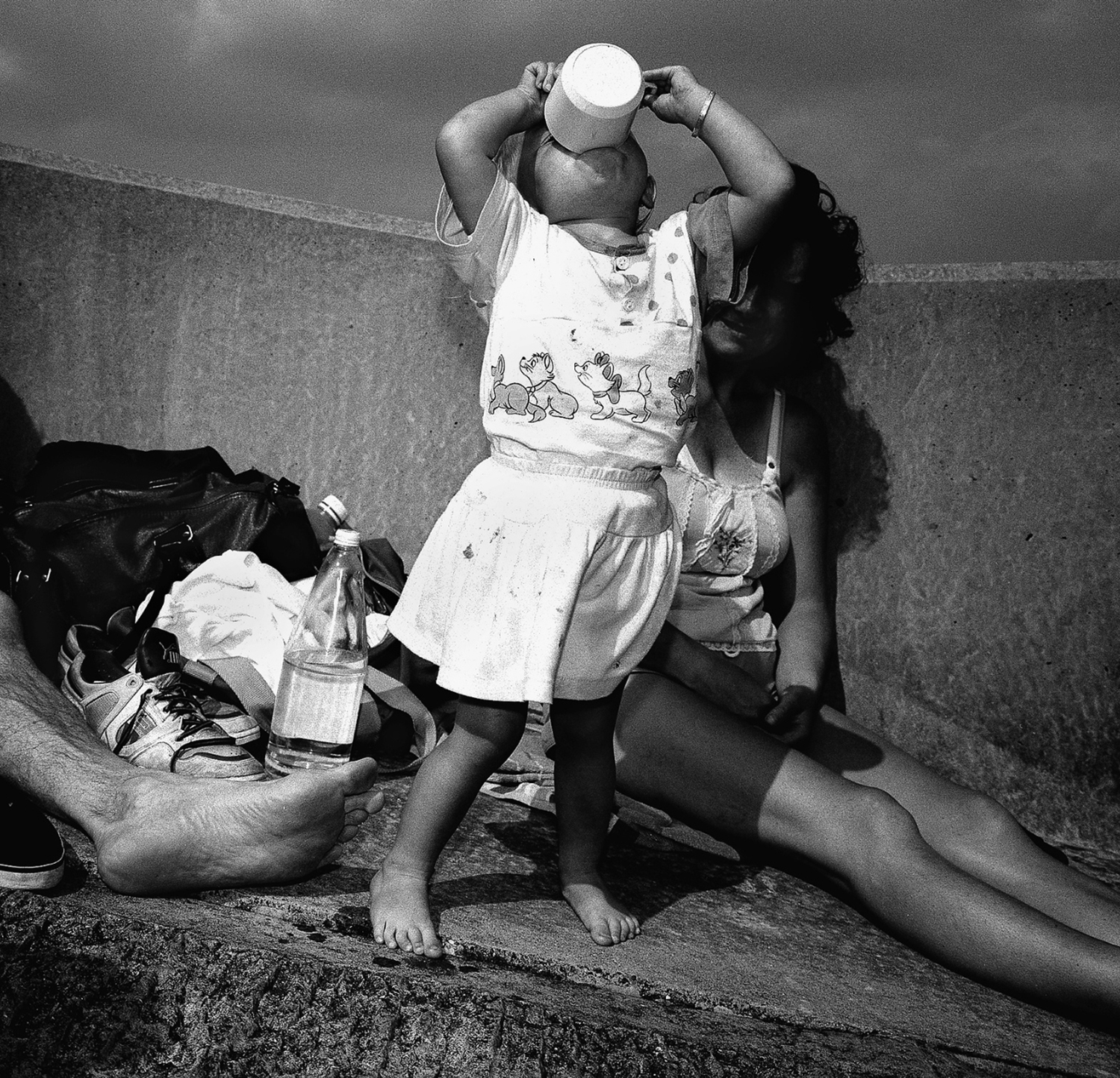
©Ken Grant, Faculty
What would you say makes your program special?
An unparalleled passion for Photography, in the context of Belfast as a city; redefining itself as one with cultural development at its heart as a unique backdrop. Students travel from across Ireland and internationally to join a small, supportive community and work closely with a faculty who are all professionally respected and committed to the sharing of industry experience through the curriculum. The role of ‘authorship’, of defining the student’s own context and imperatives for making work, are explored as a starting point for work that is uniquely theirs and which can often serve as a platform for sustained practice far beyond the program’s duration. Students are introduced to networks both in the region and beyond. One of the aims in the master’s is to enable students to develop their research towards established, sustained, and emerging research areas.
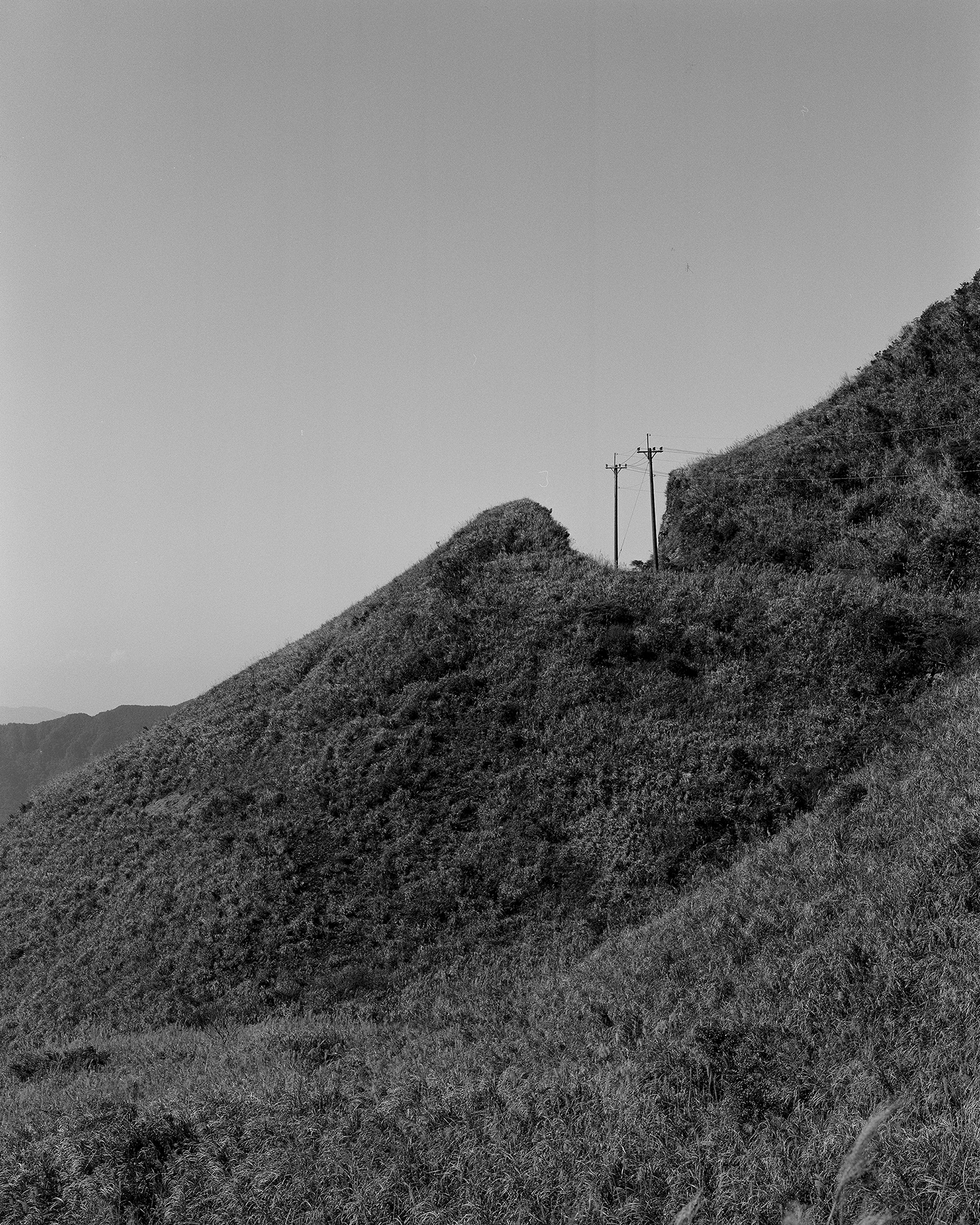
©Frederic Huska, Faculty
What specialized facilities are available for student use (i.e. darkroom, lighting studio, print lab)?
Our students work with photography in its widest form and have access to industry standard photographic equipment and facilities. The studio, darkrooms, scanning and editing suites are all available around the clock, and access to the whole School of Art’s excellent workshops, labs and technical support is regularly arranged, to assist students with any wider applications necessary to the development of their work, as required.
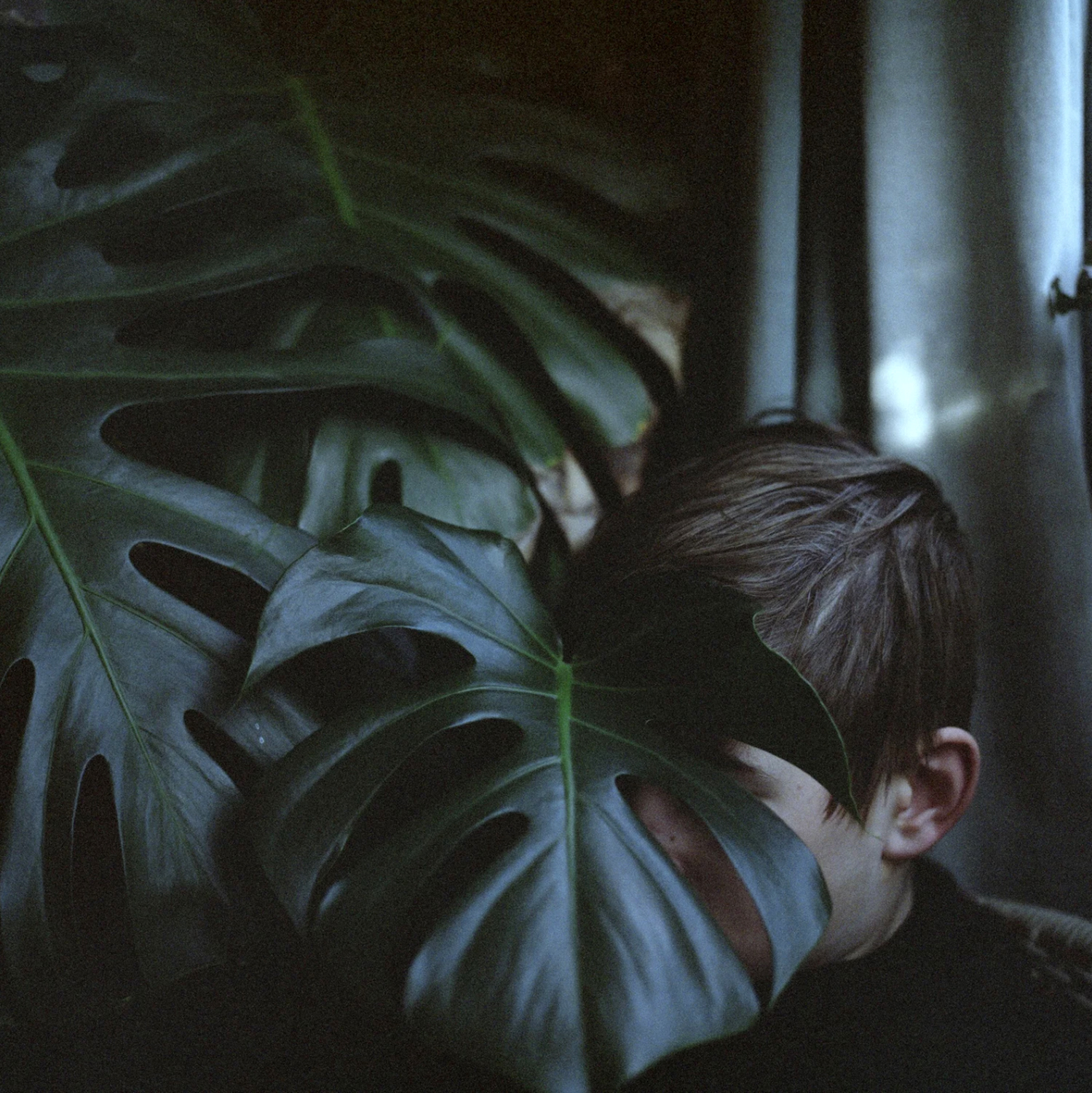
©Clare Gallagher, Faculty
Is your program strictly photography-focused, or does it encourage/allow interdisciplinary work?
The program, as part of Belfast School of Art, gives students the opportunity to work through the most recognized of photographic technologies (both analogue and digital), but they may also wish to access the wider areas of Fine Art, Print, Screen, Design, Architecture… as necessary to the shaping of their own discreet practice. The student’s concept is fundamental to their methodology.
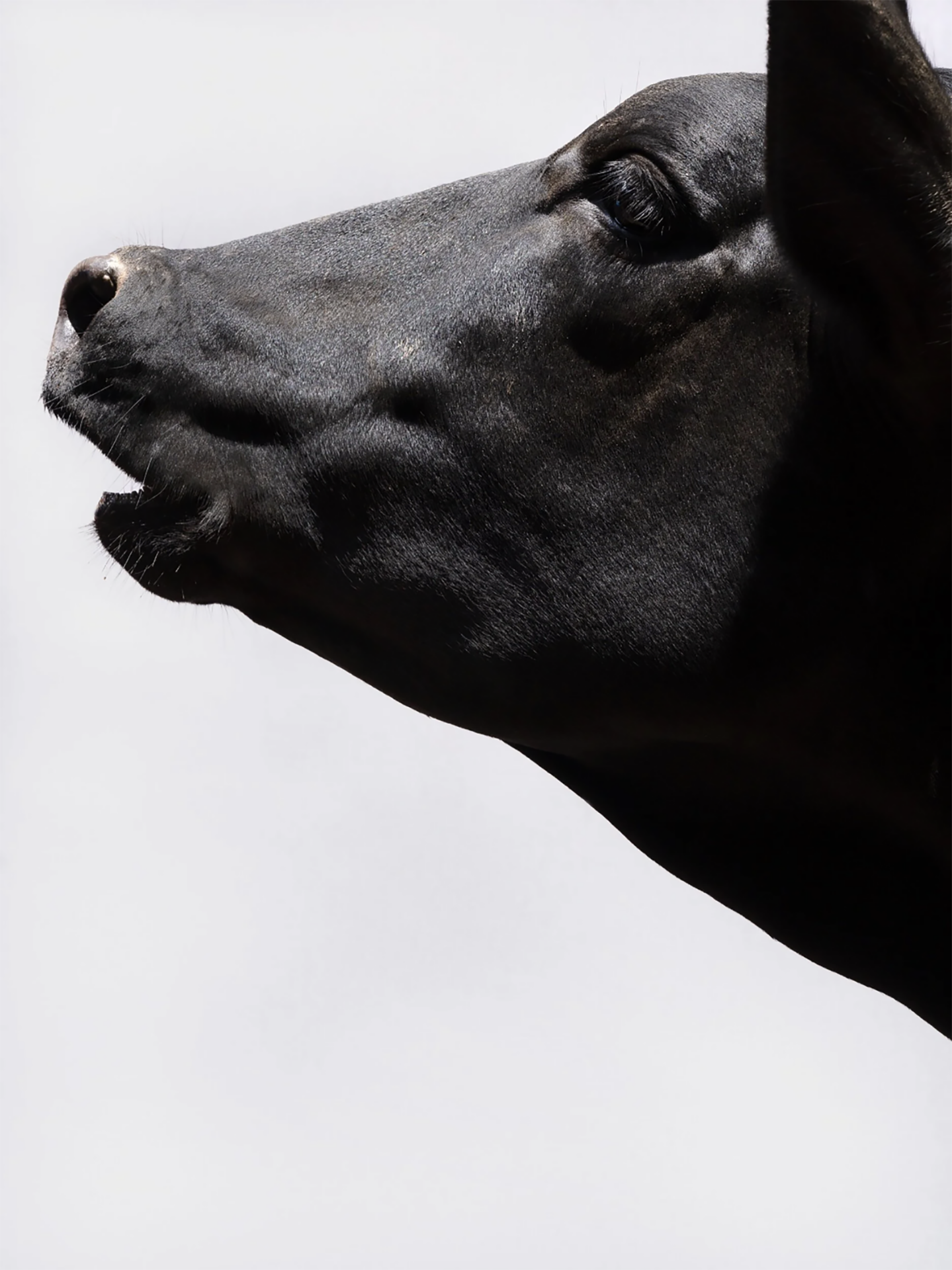
©Paul Seawright, Faculty
Do you specialize in a particular area (i.e. documentary, experimental, environmental work)? And once in the program, is a student able to shift their focus if their creative interests change?
There is no one specialism that the program leads on. Instead, it recognizes the potential that come with the various genres and ‘histories’ of photography – documentary, environmental, staged / constructed and so on – and seeks to harness what’s relevant and appropriate when pursuing new work in response to what’s most important today. Together, students and faculty embrace photography as malleable and fluent medium, the most important language of our age. They share a respect for what has gone before, but also an excitement around new strategies and solutions now available.
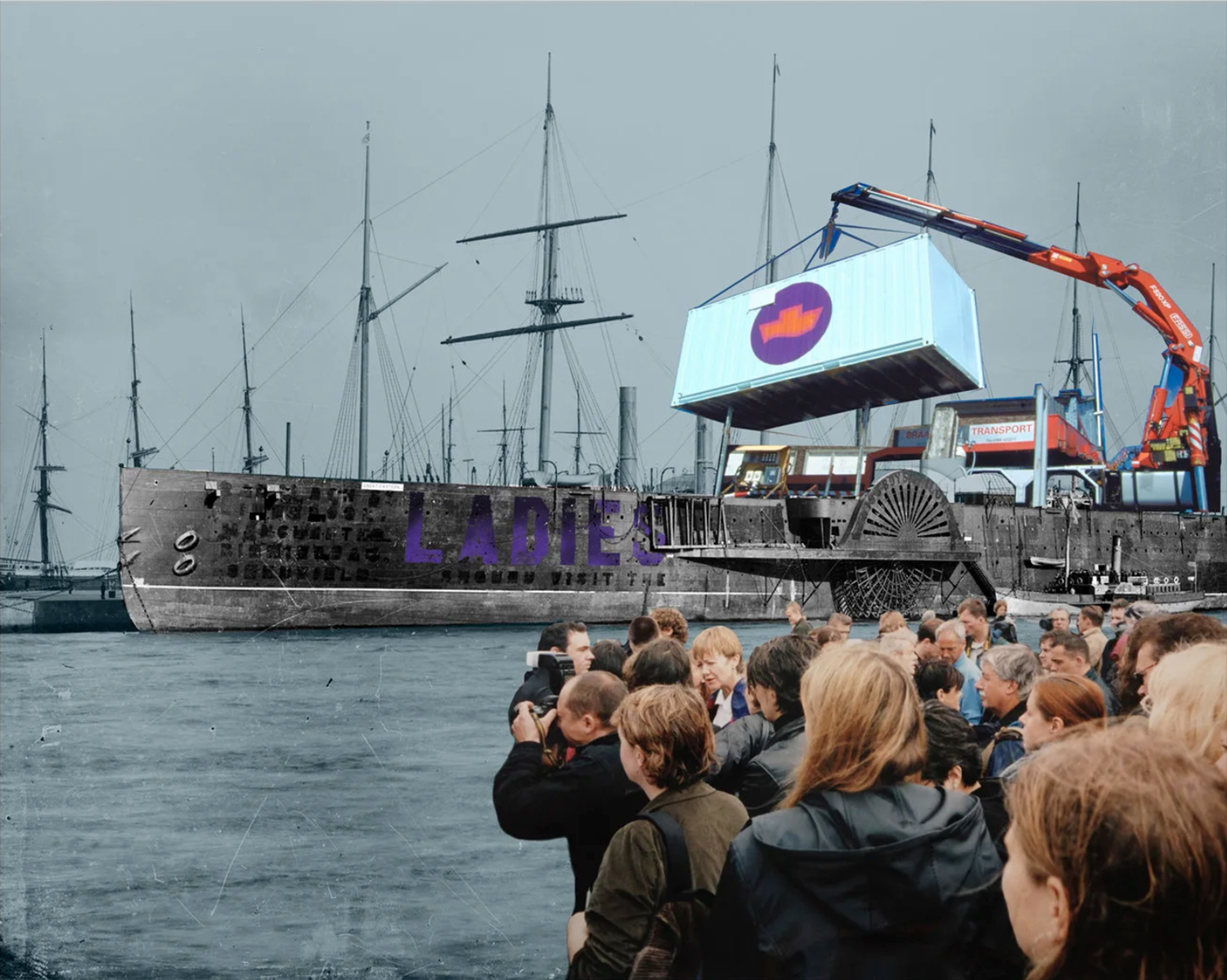
©Emma Campbell, Faculty
How structured is the curriculum? Are there required courses, or is it more self-directed?
The program is a formally structured. It is a 2-year, 4 semester engagement leading to the final award of MFA Photography. We support students as they research and plan a major body of work, capable and worthy of publication in whatever form becomes appropriate. Through lectures, seminars and tutorials we discuss approaches –both historical and contemporary and expand upon ideas and developments that enables students to establish a position of authority and authorship around their chosen subject.
The first semester, set against a framework of lectures around contemporary practice and contextual thought, sets out some key questions and challenges for the photographer today. It’s also a point of reflection, and students are asked to evaluate achievements so far and draw out ambitions for moving forward with new work. The module Reflexive Practice asks for an evaluation of work achieved so far and provides the framework for the development of a proposal that will form the basis of a major body of work.
Alongside Reflexive Practice, the module Photography and Culture introduces themes pertinent to contemporary practice and begins an engagement with historical and cultural ideas that continue to inform us today. As part of the development of this module, students are asked to deliver a short presentation that examines the status and importance of a body of work through key social, cultural, and aesthetic perspectives. Seminars provide space for a consolidation of ideas and prepare students for the submission of their proposals and interim preparation ahead of semester two. Ken Grant, Clare Gallagher and Donovan Wylie lead the Reflexive Practice module, with Ailbhe Greaney leading the module Photography and Culture.
Across the first semester, we encourage students to test and explore ideas, ahead of any firm decisions. This helps to encourage fluent production but also allows for experimentation and field-testing without the student being bound to the trajectory they’ve started out with. Testing, enquiry, research, contextualization –these are all activities we work with. Understanding the context in which are working, what has been achieved before and how work will contribute to a meaningful and new understanding of what’s important to us as artists, is a key early ambition. We support students as they develop working strategies and set out schedules towards the production phase of a major piece of work.
Semester Two, through the module Contemporary Contexts, engages with some of the current preoccupations, orthodoxies, and innovations emerging today. The siting of work, its context and the medium’s versatility are all at play in decisions we make about our work. The ubiquity and malleability of digital practices on the one hand –and the established and genre specific techniques and protocols established through documentary, fine art and other common forms on the other- each signal an environment in which choice, chosen process and our relationship with audiences is more versatile than ever before. Such decisions are explored in a module that looks at strategies used in their widest sense, approaches that encourage debate around the participant and observer, the artist and audience and the ‘materiality’ of contemporary practice. Photography Futures, the parallel module, draws on theoretical ideas that question, underpin and provide nourishment when making decisions around the production of new work. Students continue to work on their proposed project area, with formalized schedules for seminar discussion and the continued production of photographic work. The conclusion of the second semester will find students reaching a point from which they move forward with sustained and refined field production. They will also be the point at which the student frames a research base from which to progress a working reflection of the practical work as it is produced. Ken Grant leads the Contemporary Contexts module with support from Donovan Wylie, whilst Ailbhe Greaney manages the Photography Futures module.
The second year effectively takes the form of a year-long, two semester engagement, which serves as a spine to support the resolution of work that will become the student’s MFA portfolio. As before, a series of lectures, seminars and-work-in progress presentations paces the year. We look in depth at case studies pertinent to the production and dissemination of contemporary practice in its diverse forms and markets. Along with regular course members, guest sessions will be led by industry professionals, whose roles may involve making work alongside publishing, exhibiting and facilitating photography in a range of institutions. At work-in-progress meetings, students consolidate the ways in which the final work will be produced. A written dissertation, contextualizing the work produced will accompany the final work. We see this as a rigorous but helpful contextualization of the place the new work has taken in contemporary practice. It will be concise, rigorous, and a useful platform from which to embark upon further research, grant submissions or engagement with industry.
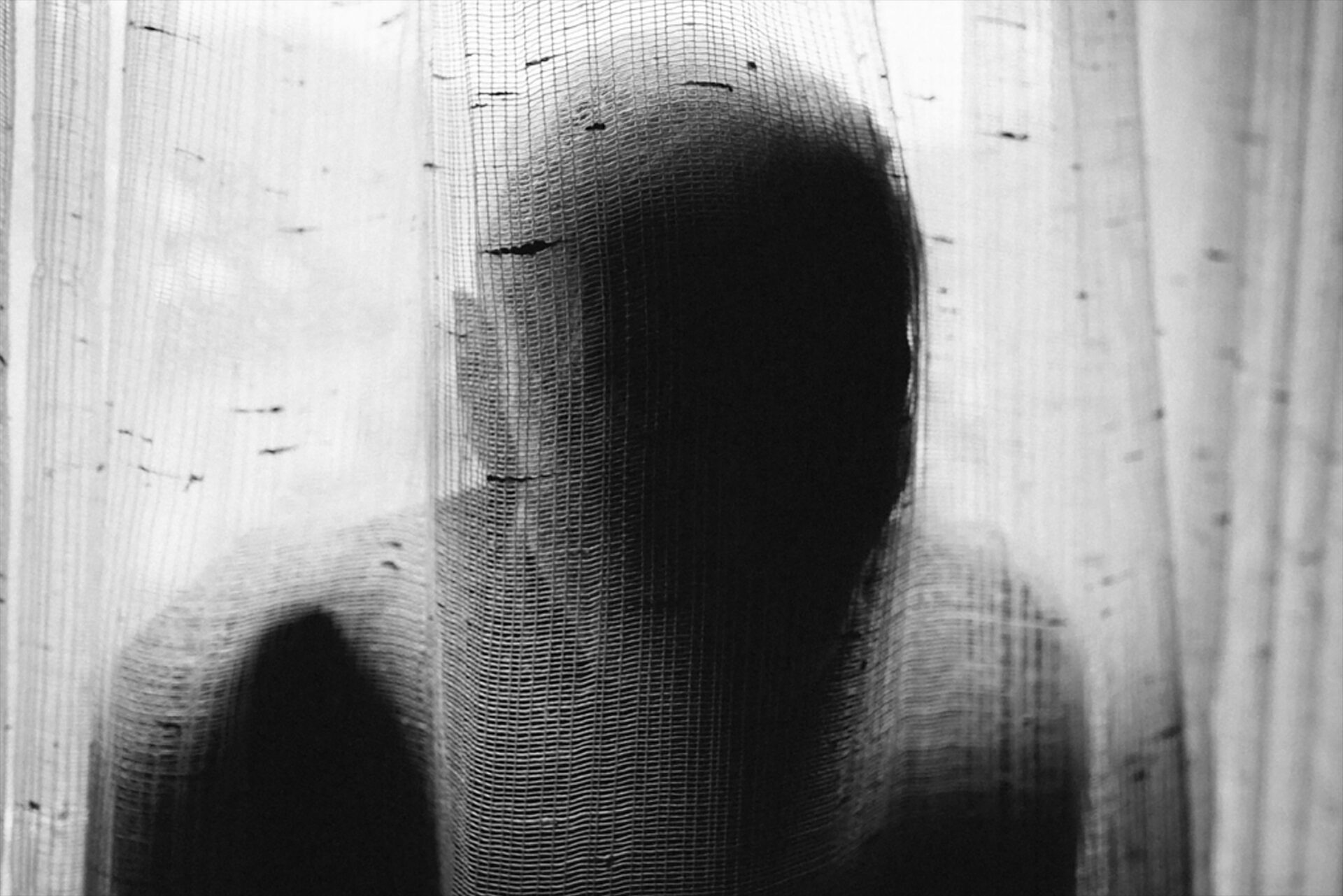
©Blaz Gutman, Alum
Does the program incorporate video work or emerging media such as AI, VR/AR, or 3D/360 imaging?
Yes. The potential of AI and other emerging developments has energized students and faculty alike. It’s a common and evolving conversation about a technology whose parameters and potential are still being understood. We’re in a moment in which the most advanced digital frontiers sit adjacent to processes as old as photography itself, and that breadth can be exhilarating. Working fluently between photography and video is long established and we embrace video work that might be site specific or grace unorthodox settings, as much as it encourages students to explore the reach of the photograph on the page or screen, still or moving, across a range of narrative approaches. A growth in collaborative practice / social engagement has been important to many students over recent decades, with students and constituencies working together in co-authorship around issues of shared interest.
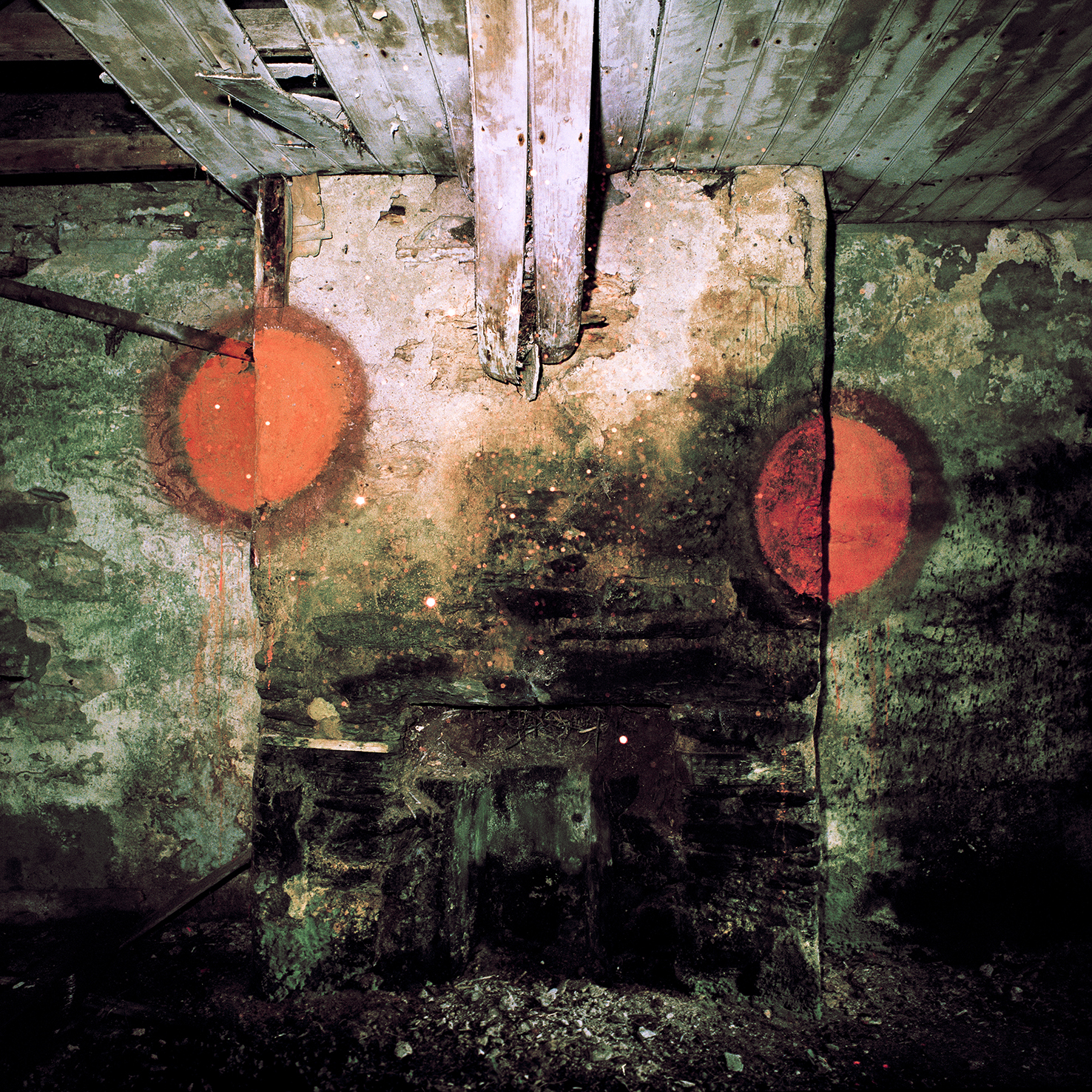
©Jill Quigley, Alum
Does the program offer career development support, such as portfolio reviews, workshop/conference attendance, or networking opportunities?
Yes. Sustained partnerships with institutions and festivals exist for our students in Ireland and internationally. All faculty work professionally and engage their professional networks for the benefit of the cohort. Students exhibit their final work as part of a major public gallery collaboration, and our European partners have hosted students at portfolio reviews, fieldwork and residencies. Beyond the formal university opportunities for student exchange experiences, faculty also run regular initiatives with industry partners on location and at festivals and conferences across the cultural calendar.
What are key graduation requirements (exhibition, thesis paper, portfolio, etc.)?
Students create a portfolio of work and exhibit in a renowned public gallery in the city. The portfolio itself might take the form of a book maquette, a series of prints that comprise a body of work, or some other form pertinent to the work’s dissemination. Video work, installations, online platforms and other artefacts may all be considered elements of a portfolio. A dissertation (thesis), contextualizing the work’s place in contemporary practice.
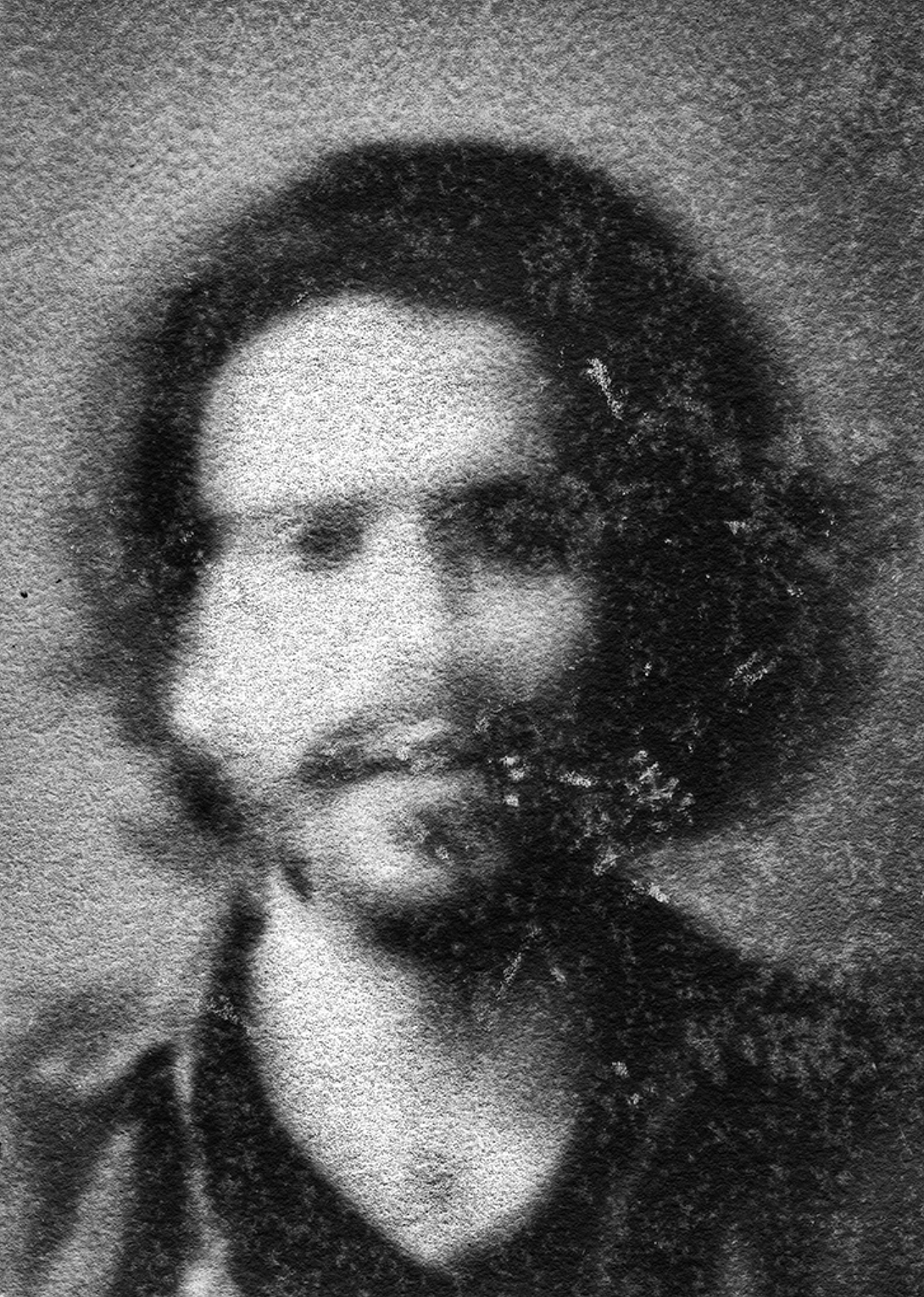
©Jeremiasz Ojrzynski, Alum
Who are your current faculty members? What are their areas of creative interest?
The course team are recognized internationally for their publications, their curation, for scholarly research and for the contributions they make to the place of Photography in Ireland and internationally. They advise industry partners and sit on boards that have helped shape a new era of development for the medium in Ireland – most recently including the Belfast Photo Festival, Photo Museum Ireland, Dublin. Staff regularly publish and the team’s research has been recognized as ‘world leading’. They continue to steer their own work into the course’s vision. Evidence of deep rooted local partnerships -with graduates working with cultural partners towards exhibition and symposia, such as the public symposium Photography and the Irish Photobook (in cooperation with the MAC Belfast and Belfast Exposed Gallery) are balanced with opportunities to make an impact on the global stage towards (evidenced in partnerships with the Irish Cultural Centre (CCI), Paris, research collaborations with Yale Connecticut (Prof. Donovan Wylie), and long term projects towards sustainable futures and reparation in former conflict zones (Prof. Paul Seawright). Staff members have curated shows that speak to the evolving themes in Northern Ireland (most recently in A Bigger Picture, curated by Dr Clare Gallagher in 2022). They have hosted public events around their research specialisms, to share knowledge and encourage widening participation, including Photography and the Photobook (Ken Grant 2016 & 2020) and as convenors of symposia on Photography and Empathy at Photo Ireland, Dublin (Ailbhe Greaney 2022). Our faculty collaborate with the cultural sector around key calendar events and festivals, not least Belfast Photo Festival each year.
Professor Donovan Wylie is an Irish photographer born in Belfast in 1971. Working between documentary practice, conceptual inquiry and architectural observation, his photographs examine how power, conflict and territory are shaped through systems of visibility. Emerging as a photographer in his teens, Wylie published 32 Counties at eighteen and later became a full member of Magnum Photos. His major bodies of work include The Maze, a rigorous study of the decommissioned Maze/Long Kesh prison, British Watchtowers, and Outposts, projects that extend his long engagement with the architecture of conflict from Northern Ireland to other militarized landscapes. His work has been exhibited internationally and is held in major public collections including Tate, the Centre Pompidou, the Metropolitan Museum of Art, and MOMA.
Ailbhe Greaney’s work investigates the intrinsic link between the photograph as document of place and as creator of place, exploring how human migration affects the structure of existing public and domestic spaces. She is the recipient the Aaron Siskind Memorial Scholarship, SVA MFA Chairman’s Award 2000, SVA Graduate Assistantship 2001-2003, The Arts Council of Ireland Visual Arts Bursary 2006 and The Arts Council of Ireland Travel Award 2012. Her work has been published and exhibited both nationally and internationally. It is held in the collections of the School of Visual Arts, New York and the Arts Council of Northern Ireland.
Ken Grant sees long term engagement and the photobook as key elements in the work he makes. Born in Liverpool in 1967, since the 1980’s he has photographed in the city and engaged in sustained projects both in the region and in wider Europe. Ken’s photographs are held in major collections, including those of the Museum of Modern Art, New York, the Folkwang Museum, Essen, the James Hyman Collection of British Photography and other international public and private collections. He continues to work on long-term projects and exhibits internationally, including at MoMA, New York (2011), FotoSommer Stuttgart (2013), Arles (2019) and Fotografia Europea, Italy (2022). A first monograph of the Liverpool photographs, The Close Season, was published in 2002 with No pain whatsoever, published by the Swedish publisher Journal, following in 2014. Other monographs include Flock (2014), A Topical Times for These Times (2016) and Benny Profane (2019). He continues to exhibit, publish, curate and write on photography. He served as editor for the recent book on the life and work of Chris Killip (Thames and Hudson, 2022), and as curator of an accompanying exhibition at the Photographer’s Gallery London (2022), The Baltic Art Centre, Gateshead (2023), Deutsche Borse Frankfurt (2024) and Fotomuseum Den Haag (2024). Throughout his career, Ken has sat on board of trustees for galleries in the UK and Ireland and convened research events and collaborations widely, including Ireland, Photography and the Photobook (Belfast, 2016), and British Photography and the Photobook (Milan, 2020).
Dr Clare Gallagher teaches MFA Photography and is a PhD Supervisor in the Art & Design Research Institute. Her research focuses on home and women’s experiences, using art to challenge their invisibility. She also curates and speaks about marginalised voices and subject matter in Northern Irish culture. Her new book, Subversive Mothers, Disturbing Domesticity, is published by Bloomsbury. She has exhibited her work internationally, including at the Finnish Museum of Photography, Helsinki and at Photo Museum Ireland, Dublin, and her photobook the Second Shift was named in The Guardian’s best photography books. She was nominated for the Deutsche Börse Photography Prize in 2021 and the Paul Hamlyn Visual Artists Award in 2023. Her work is in the national collections of Arts Council of Northern Ireland and the Arts Council of Ireland/An Chomhairle Ealaíon. Clare has written for Visual Artists Ireland, the British Journal of Photography and contributed a chapter for Stephen Bull’s key book A Companion to Photography published in 2020 by Wiley-Blackwell. She also led the Curating Activism strand of Frederick Douglass Week 2024 in Belfast and is Principal Investigator for AHRC-IAA awards The Second Shift and Taking Boys Seriously.
Dr Frederic Huska’s work explores the multi-layered connections between the self, history and the architecture of the city, with photography, writing and film. His previous work and research investigated the relationship between the city and photography in relation to the phenomenon of déjà vu. His thesis, entitled The Predicament of Undecidability: moments of déjà vu in space, time and consciousness – practice of photographing and writing in Los Angeles, draws upon three main ideas in order to photographically engage with the city: the concept of cultural aberrations, the notion of the cinematic, and the idea of architectural excess. From there, it takes on a reflexive and reflective structure, expanding on the complexity of the photographs through pieces of theoretical and creative writing.
Other research interests involve: interrogating the nature of the photographic image and its relation to time and duration by fostering sites of encounter with other mediums – especially drawing – and at times practices from other artists; and exploring strategies to incorporate reflective writing into visual artwork, initiating conceptual or narrative displacements in order to open new possibilities for making and experiencing art.
Professor Paul Seawright has an international profile as an artist and researcher. His work is held in many museum collections including the Irish Museum of Modern Art, the Tate, San Francisco Museum of Modern Art, International Centre of Photography New York, Arts Councils of Ireland, England and Northern Ireland, the UK Government Collection and the Museum of Contemporary Art in Rome. In 2002 he was commissioned by the Imperial War Museum London as War Artist for Afghanistan and was awarded the Irish Museum of Modern Art/Glen Dimplex award for a major contribution to Irish Art. He has a first-class honours degree in Photography, Film and Television and was awarded a PhD by the University of Wales in 2007. He was awarded an OBE for services to Education and the arts in 2021.
Dr Emma Campbell is a member of the 2021 Turner Prize winning Array Collective and has exhibited internationally as Array and solo. She is Board Member for Outburst Queer Arts and member of Reclaim the Agenda and Women’s Policy Group. Her current research brings creative methodologies to law and social policy and continues collaborative socially engaged practices as part of Array.
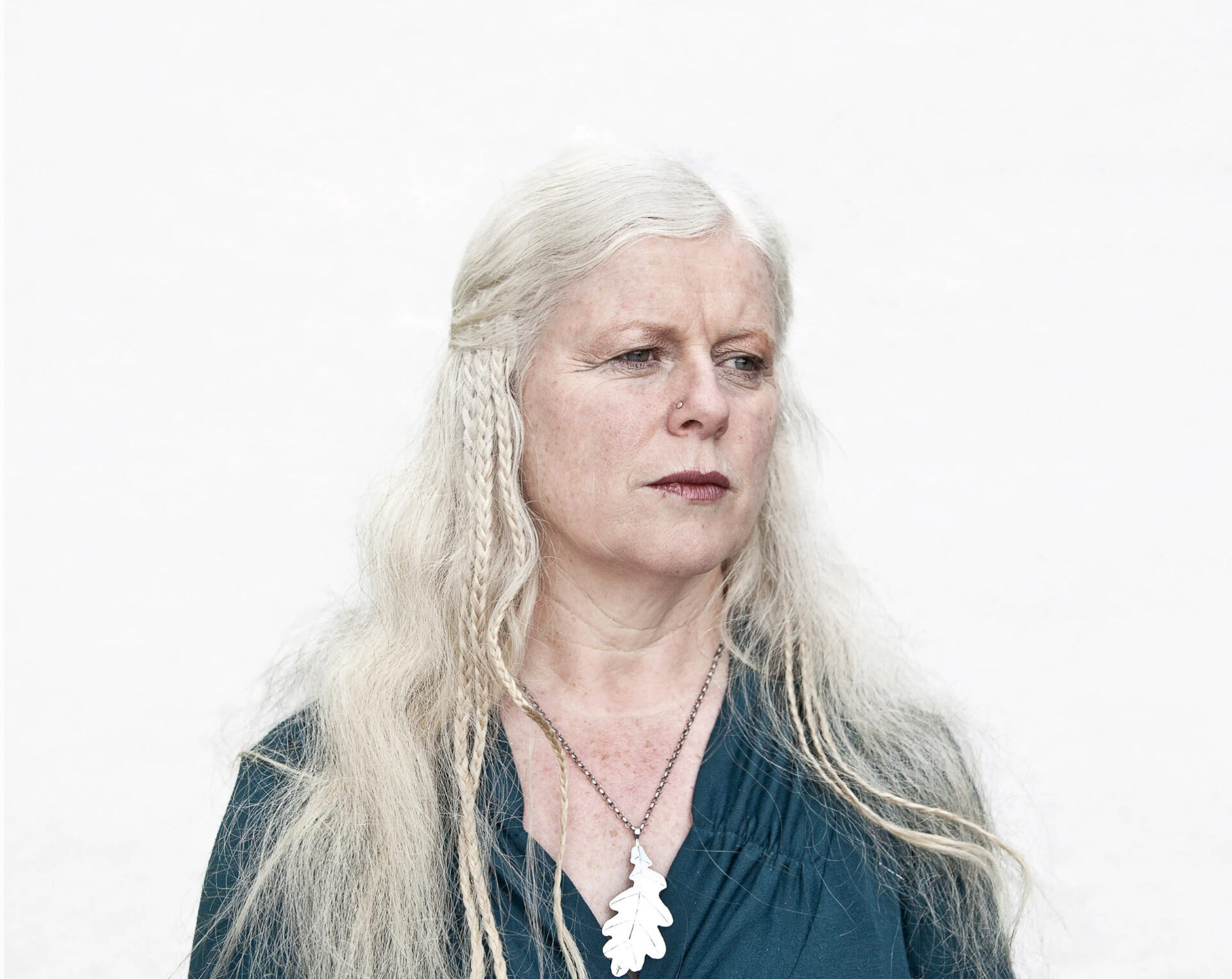
©Daragh McDonagh, Alum
Are faculty members primarily full-time or adjunct?
All faculty members are full-time and divide their activities between teaching and research, alongside long-term mentorship and collaborations with the cultural sector in Ireland and internationally.
How involved are faculty in mentoring students beyond coursework?
The professional relationship between faculty and students continues long into their careers. Students regularly go on to work in industry at the highest levels. They publish and exhibit and pursue personal work alongside commercial practice or academic / research roles. The community the course has grown now extends internationally: from the development of a vibrant cultural sector in wider Ireland, to one that avails of our international professional networks, we support our graduates as they establish their place within Photography.
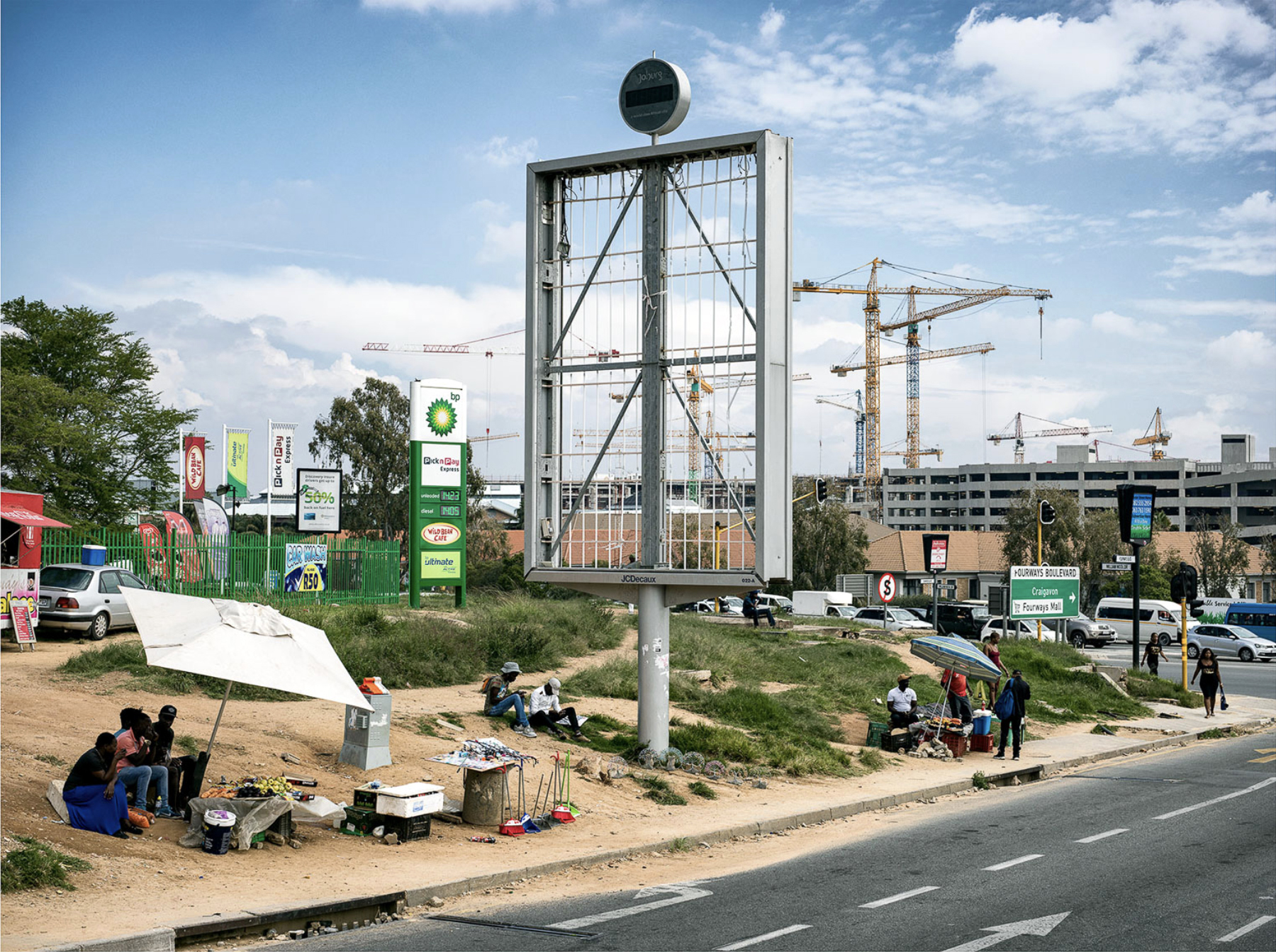
©Gerard Turnley, Alum
How often do guest artists, curators, or critics visit for lectures and/or critiques?
A regular guest lecture series runs throughout each semester, bringing both regional specialists and international guests to the city to share their experiences with our students. Whether photographers, designers, historians, publishers or aligned with the wider practices necessary for a sustained contemporary practice, guests offer additional industry perspectives through lectures, portfolio reviews, and workshops. The faculty also convene symposia in the city, inviting guests to share knowledge on focused topics. Recent events around Photography and the Book and Photography and Empathy augment core teaching, whilst extending debates by bringing new voices together. We also work closely with institutions across Ireland to support student experience through collaborations with festivals and industry events.
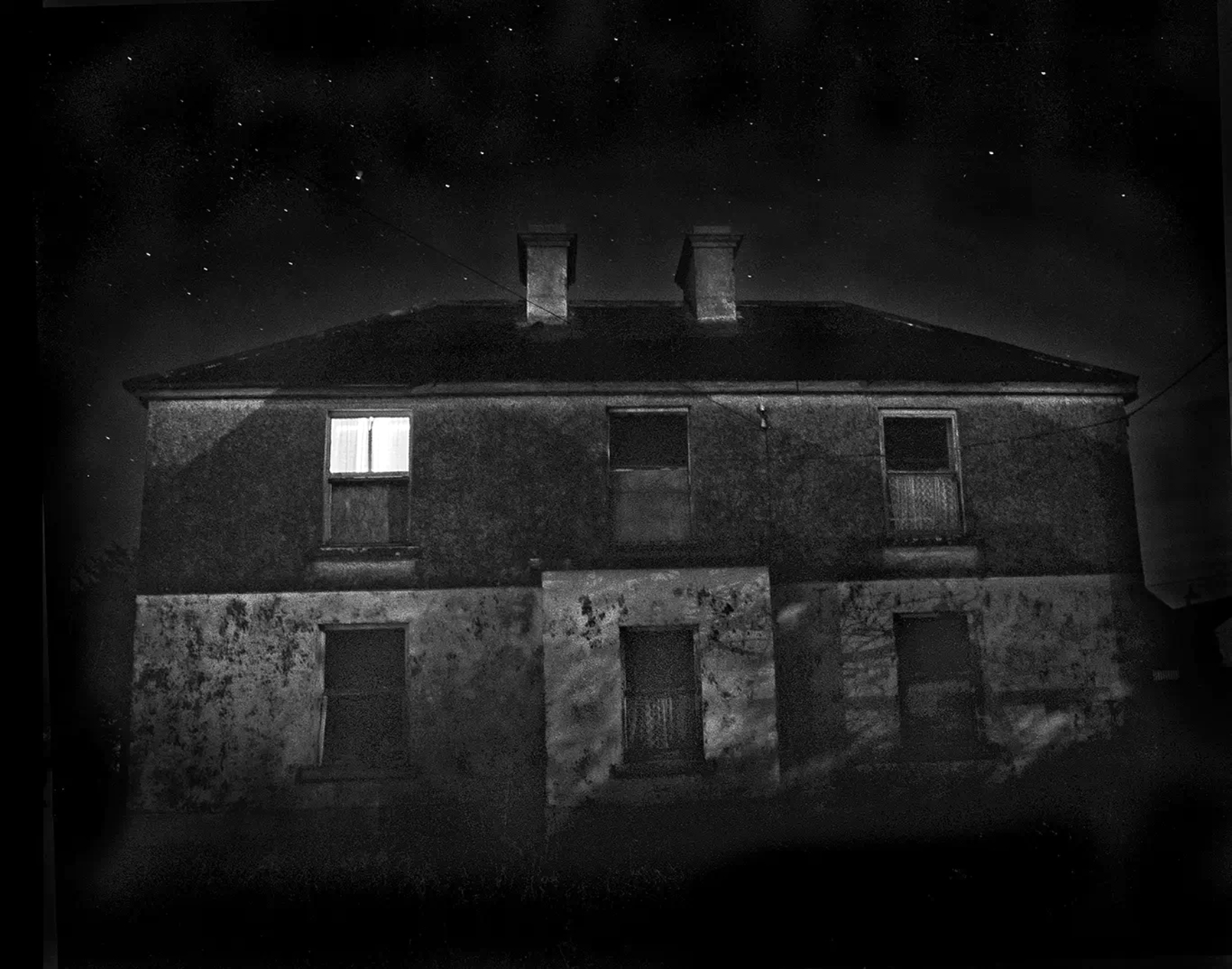
©Cirian Og Arnold, Alum
How many students are admitted each year, and how many are photography focused?
Each pathway, campus and online, has an average of 10 students in each year group. An overview of the student profile typical to the MFA would identify mature students with an established understanding of the role of Photography in culture. Students often progress directly from undergraduate study onto the MFA, but some have taken the opportunity to consolidate earlier study with other engagements before returning to full-time academic study. Some students are mid-career practitioners, working professionally in photography or in a related field and looking to re-establish an academic framework or test work in a supportive and structured educational environment. Less regularly, students have worked in areas more remote to core Photographic practice but demonstrate a sensibility and engagement with areas that an immersion into photographic education will extend or underpin.
What is the approximate cohort size, and what effect does this have on critiques, collaboration, and networking?
With a cohort size across two-year groups on campus of 20, and a similar number taking the online pathway, our ethos of working closely with students manifests in round-table critiques (both in person and virtually) seminars and tutorials that allow for immersed knowledge exchange in a dynamic, supportive context. Student often bring their own specialist knowledge, insights from other careers, and wider international perspectives that sit amongst the students who draw from the specificity of Ireland’s own cultural histories.
We were early pioneers of online teaching and find that campus students working in the field occasionally avail of a hybrid approach to learning. Flexibility and fluency for students who engage with differing topics and geographies has always been important to facilitate, and we work to meet the needs and expectations of an ambitious and motivated cohort.
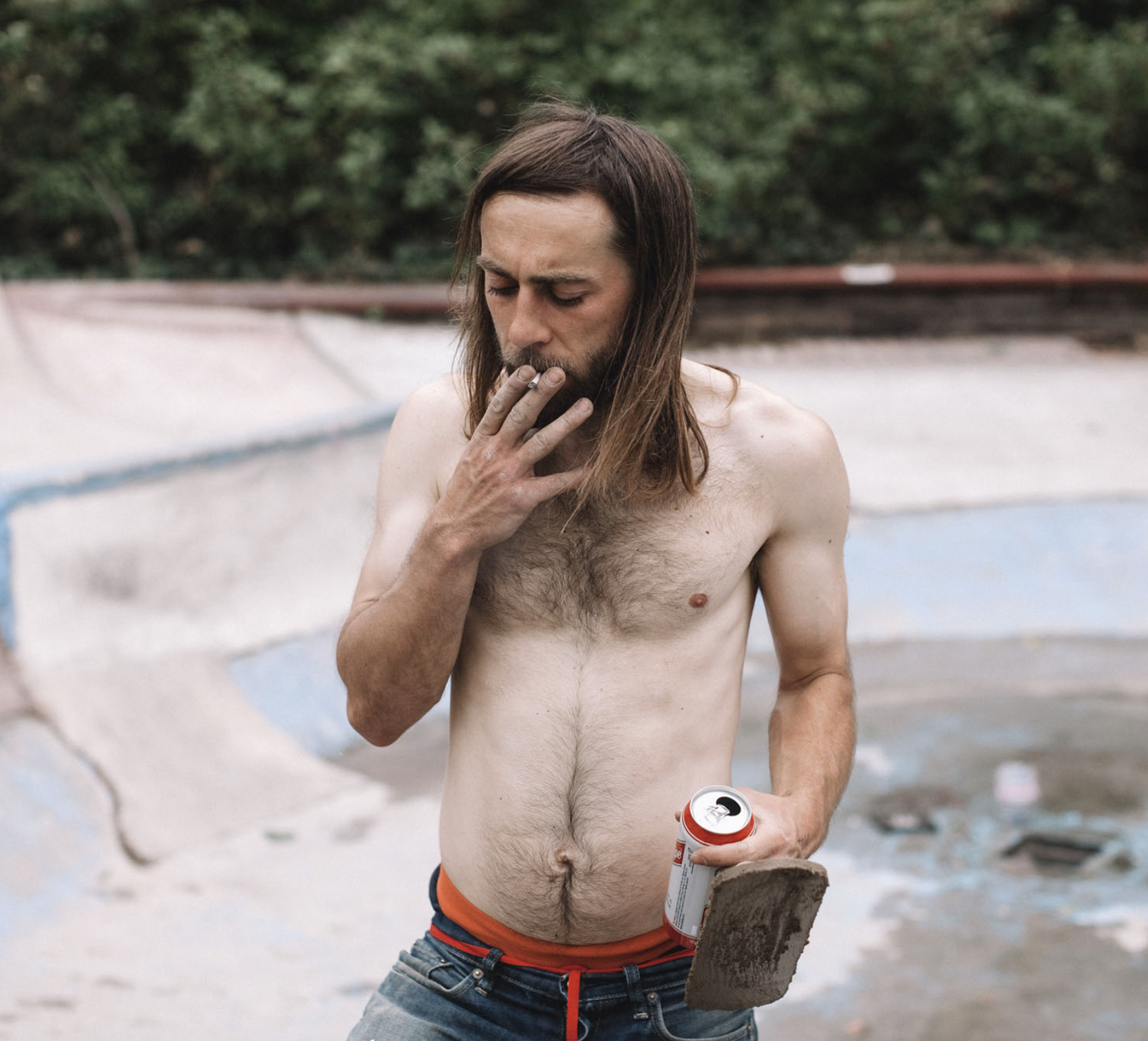
©Rich Gilligan, Alum
What kind of work are current students creating?
The act of photography, at least in Belfast, can sometimes feel like an act of redress. It’s impossible to move through the city and not recognize a place rich in culture that has been shaped by a unique history. Things have happened here in the modern era, and the city’s legacies continue to shape a rich and particular response to the world -and our students are energized by that. They play a significant part in the shaping of the region as one of cultural innovation. They’re a short journey from Dublin and the south, or a hop to London, Paris and the nourishment of Europe. The approaches students adopt are nuanced and varied. Often the themes are recognizable and, to a great extent, universal– the land, its politics and economies; hidden histories in countries so used to hiding them; personal journeys and the unfinished business that comes with family and adolescence; migration and the experience of leaving – something the Irish have long experienced and overcome. There are, of course questions around gender and equality, about the city – its economies and influence, about alternative ways of living, and so on…in summary, students use photography to engage with what really matters to them, and we support them in their pursuit of a visual language that will become their own.
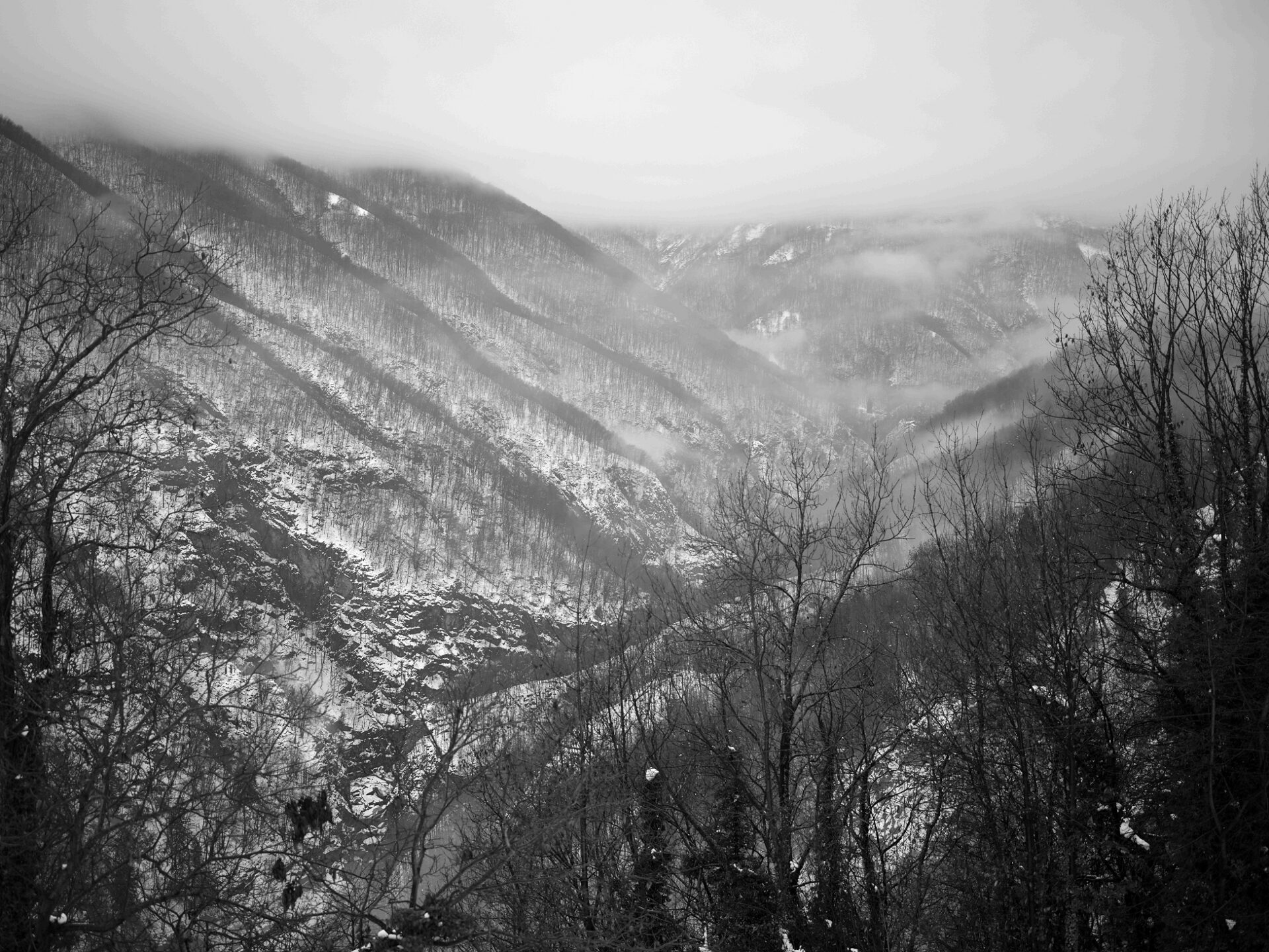
©Stephen Kelly, Alum
What is the total cost of the program (and duration), and what funding options are available?
The program has a 2-year duration with annual fees* of:
Northern Ireland (NI) & Republic of Ireland (ROI): £4,985 per year
England, Scotland, Wales (GB) & Channel Islands: £9,790 per year
International (Including EU): £18,030 per year
*all costs are subject to annual revision, with current fees listed at: https://www.ulster.ac.uk/student/fees/tuition-fees
Are there teaching assistantships, and what percentage of tuition do they cover?
Teaching assistantships are available in the first instance for PhD candidates.
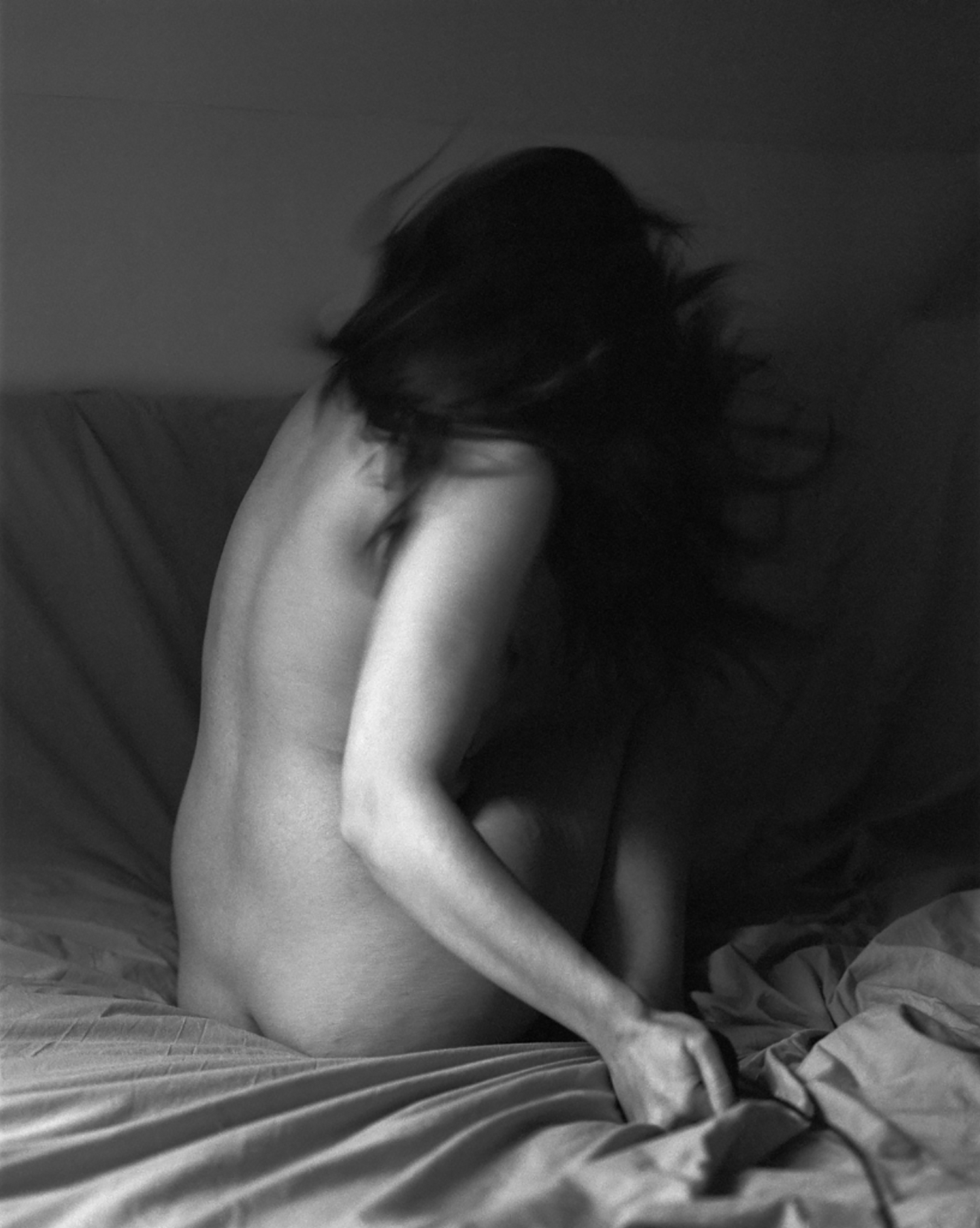
©Shauna Kinchella, Alum
Are additional grants/resources available to support student projects?
Information on International scholarships can be found at:
https://www.ulster.ac.uk/international/apply/scholarships/international-postgraduate-scholarship
Further information can be found at:
https://www.ulster.ac.uk/apply/fees-and-finance/postgraduate
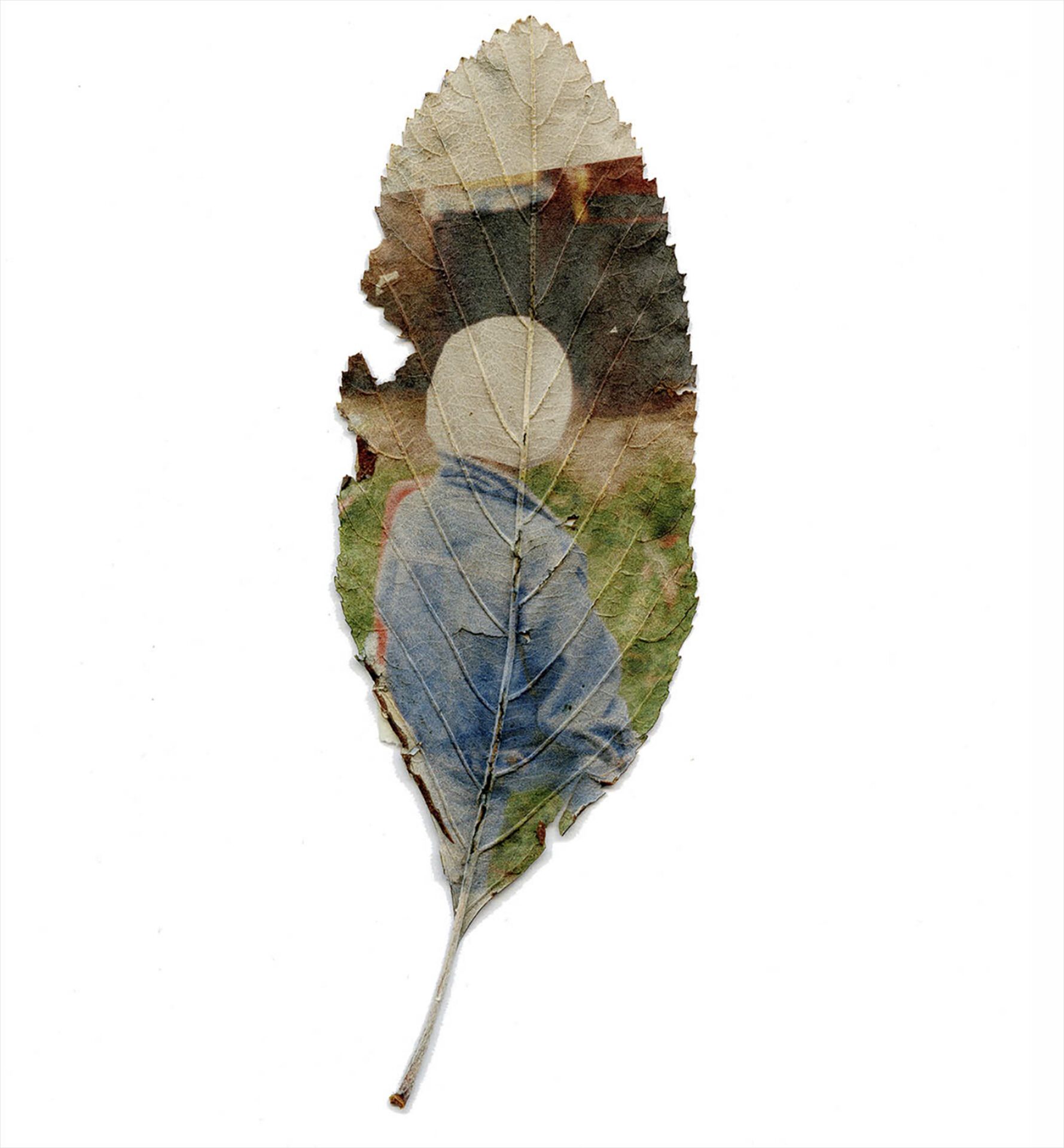
©Clare Lyons, Alum
What types of careers do alumni pursue, and how does the program support students after graduation?
The breadth of destinations our alumni head for echoes the dexterity of the industry itself and one of our aims is to equip students with a clear understanding of the many models of industry that co-exist. Some students come to us with an established professional practice and use their studies to navigate a shift in, or enlivening of, their personal practice. Others curate, working as gallerists or aligned roles in museums and cultural institutions. Some forge design-centered roles in publishing or specialize in community-based collaborative practices within educational or health industries. Many, however, seek a place in industry as photographers and go on, fully equipped and ready, to publish, exhibit and establish the kind of professional partnerships necessary for a sustained and stimulating career.
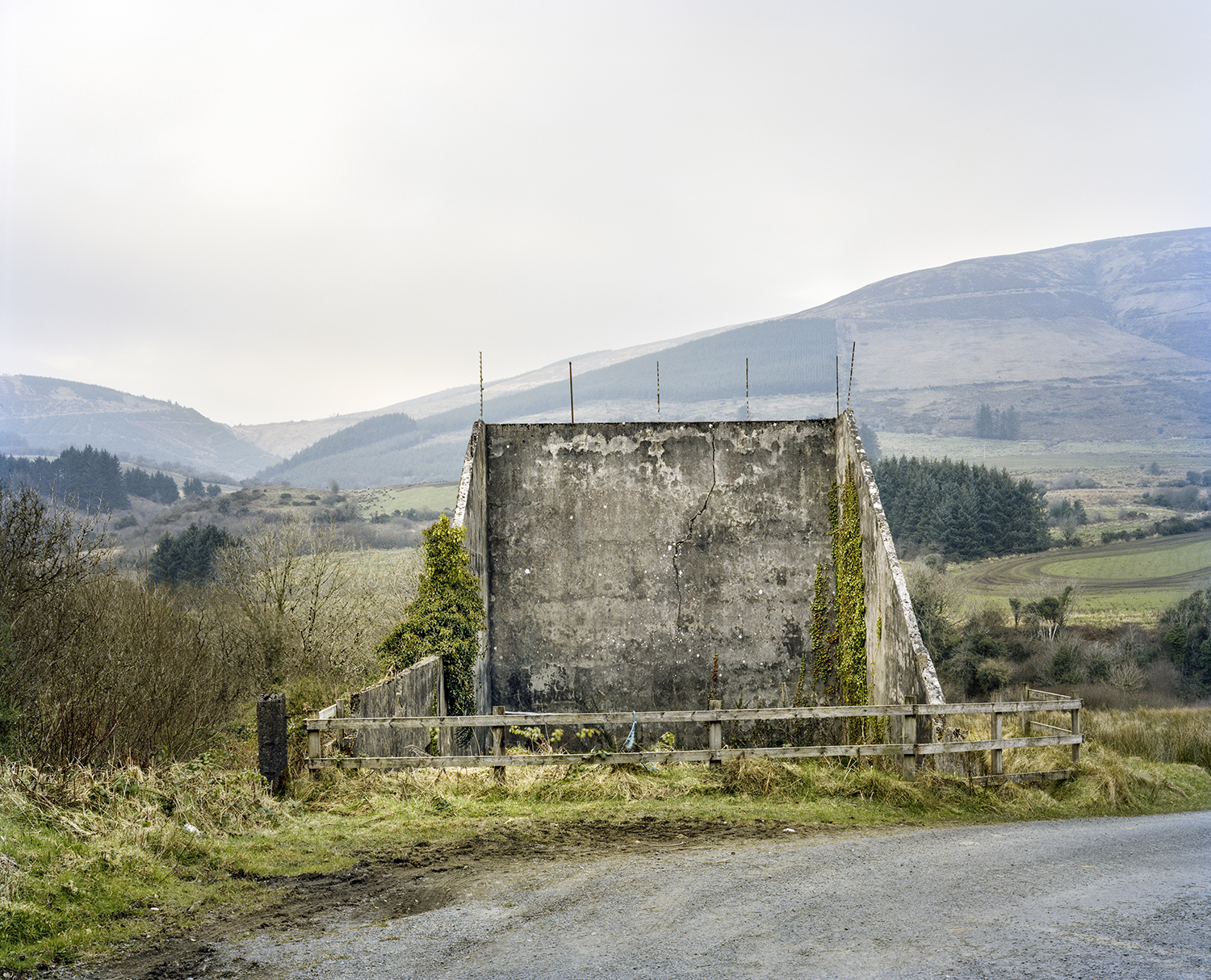
©Kenneth O’Halloran, Alum
How connected is the alumni network, and do graduates stay involved with the program?
The alumni network is very important to us, with former students regularly returning to contribute to external events once they have established their practice professionally. The faculty are regularly active -as initiators or participants- at international festivals and events and have successfully brought alumni and present cohorts together for knowledge exchange and support events. Students may also wish to pursue research as doctoral candidates or take on educational roles, with a strong academic and pedagogical environment available for graduates to draw upon for further awards at Ulster.
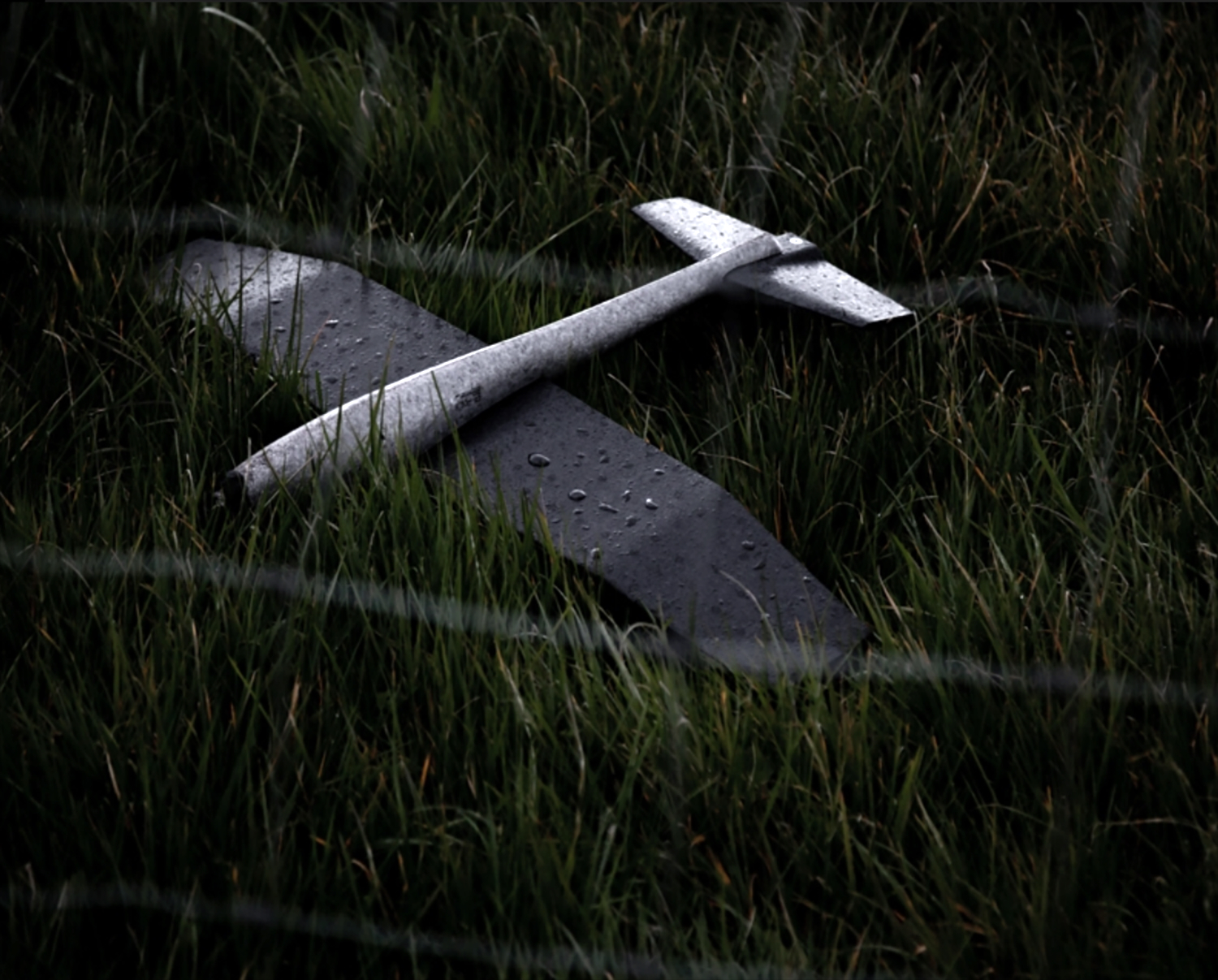
©David Copeland, Alum
Posts on Lenscratch may not be reproduced without the permission of the Lenscratch staff and the photographer.
Recommended
-
In Focus: The MFA Review: Belfast School of Art, Ulster UniversityNovember 24th, 2026
-
In Focus: The MFA Review: University of New MexicoNovember 23rd, 2026
-
In Focus: The MFA Review: University of South FloridaAugust 29th, 2026
-
In Focus: The MFA Review: Iowa State UniversityAugust 28th, 2026
-
In Focus: The MFA Review: University of HoustonAugust 27th, 2026