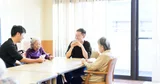
介護士 ジョイさん「日本に行けば、きっとお金持ちになれる」って信じてた|She believed that "if I go to Japan, I'm sure I'll become rich."

別の業界ではたらいていた人、別の法人ではたらいていた人、ダブルワークしている人、スポットでヘルプに来てくれる人。
いろいろな人がいて、いろいろなはたらき方がある浪速松楓会。
この連載では、そんな法人ではたらく職員さんに会いに行きお話を聞いていきます。今回の取材相手は、寿幸苑で介護士としてはたらくジョイさんです。
There are many different types of ways of working at Naniwa Shofukai. In this series, we will meet and talk to staff who work at such corporations. The person we interview this time is Joy, who works as a caregiver at Jukoen.
【プロフィール】ジョイ さん
約6年前にフィリピンから来日。当初は日本語学校や福祉の学校に通いながら特別養護老人ホーム 寿幸苑の介護士として勤務。今では介護福祉士の資格を持ち、夜勤も担当。職場恋愛で結婚し、現在はパートナーの方と日々を健やかに暮らす。
[Profile] Joy
Came to Japan from the Philippines about six years ago. At first, she worked as a caregiver at the special nursing home Jukoen while attending a Japanese language school and a welfare school. Now she is a certified caregiver and is in charge of the night shift too. She married a colleague and lives a healthy life with him.
書き手:倉窪(広報担当)
最初の頃は全然日本語を話せなかった
At first, I couldn't speak Japanese at all

――ジョイさんは来日してもう6年になるんですね。そもそも「日本に行こう」って思った理由はあるんですか?
―― It's been six years since you came to Japan, Joy. What was the reason you decided to go to Japan in the first place?
最初は、誰かが「日本に行ったらお金持ちになれるよ」って言ってて。だから、勉強も頑張って、仕事も頑張ればいっぱい稼げるって思ってたんです(笑)。
At first, someone told me, "If you go to Japan, you'll become rich." So I thought that if I studied hard and worked hard, I could earn a lot of money (laughs).
――そうやったんですね(笑)。でも、それで何で介護の仕事を?なにかきっかけが?
―― So that's what you did (laughs). But why did you end up working in nursing care? What was the trigger?
フィリピンで日本語学校に通ってたんですけど、その学校で「介護の仕事をすれば日本に行きやすいよ」って言われて。私は子どもとおばあちゃん、おじいちゃんが好きだったから、介護の仕事も問題ないって思ったんです。
I was attending a Japanese language school in the Philippines, and they told me that if I worked in nursing care, it would be easier for me to come to Japan. I loved children and grandmas and grandpas, so I thought nursing care would be no problem.
――そっかー、おばあちゃんやおじいちゃんが好きやったら、介護の仕事はぴったりかもしれないね。
――I see, if you love grandmas and grandpas, nursing care might be perfect for you.
はい、介護の仕事は日本に来てから始めました。好きなケアは「食事介助」。入居者さんに食べてもらいながらおしゃべりできるから。…あ、でも、最初の頃は全然日本語が話せなかったからそれがイヤやった。部屋の掃除とかの仕事が好きでしたね。
Yes, I started working in nursing care after coming to Japan. My favorite type of care is "assisting with meals." Because I can chat with the residents while they eat. ...Ah, but at first I didn't like it because I couldn't speak Japanese at all. I liked jobs like cleaning rooms.
――最初はそうだったんですね。今は、どういうことを話すの?食事介助の時に。
――So that was how it was at first. What do you talk about now? When you helping with meals.
「この食事は好き?」とか「好きな食べ物は何ですか?」とかって、話しかけて聞くんです。逆に、嫌な・苦手な仕事は夜勤です。夜勤の時はフロアに私1人しかいないから、不安になる。でも当番でまわってくるからしないといけない。夜勤をするとその分手当がもらえるし、ちょっと怖いけどがんばってます。
I'd ask questions like, "Do you like this meal?" or, "What's your favorite food?" I talk a lot. On the other hand, the job I dislike and am not good at is the night shift. I'm the only one on the floor during the night shift, so I feel anxious. But I have to do it because it's my turn. I get an allowance for the night shift, so it's a little scary, but I do my best.

Joy was shy throughout the shoot. She always has a nice smile.
「もう一度行きたい」って思うくらい楽しかった学校生活
School life was so fun that I wanted to go back again.

Image
こちらに来てすぐの頃、学校(日本語学校)に行っていた時期があって、その頃がすごく楽しかったです。今思い出しても、「また学校行きたいな」って思います。あの時はいろいろ全然分かっていなかったけど、今なら少しは分かるかなって思って。今の知識があれば、もっと楽しいと思います。今までで一番大変だったことは、やっぱり日本語。自分の国の言葉と全然違うし、難しかったです。
When I first came to Japan, I went to school (Japanese language school) for a while, and I had a lot of fun. Even now, when I think back on it, I think, "I want to go to school again."I didn't understand anything at all back then, but I think I understand a little now. I think it would be even more fun if I had the knowledge I have now. The most difficult thing so far has been Japanese. It's completely different from my own language, so it was difficult.
―― そうですよね。そんなジョイさんが、今ではご利用者さんの居室担当(※)をしてるなんて…すごいなあ。
―― It is wonderful that Joy, who had difficulty speaking Japanese, is now able to communicate with users and take charge of their care as a room manager.
はい、居室担当としてご家族への連絡とかもあります。日本語でメールを送るときは、誰かにチェックしてもらってから送信してます。だんだん慣れてきましたけど、やっぱりまだまだです。
Yes, as the room manager, I also contact the families. When I send an email in Japanese, I have someone check it before I send it. I'm gradually getting used to it, but I still have a long way to go.
(※)寿幸苑には「居室担当」という役割があります。ご利用者さま一人ひとりのお部屋(居室)に担当の職員が1名つき、ご利用者さまと生活上のケアを主だって担当することになっています。
(※) At Jukoen, there is a role called "room manager." One staff member is assigned to each room of each resident, and is primarily responsible for the resident's daily care.
―― でも、すごく日本語が上手だと思いますよ。本当に。
―― But I think your Japanese is very good. Really.
いえいえ、まだまだです。ふだん、夫とは日本語で話してるから少しずつ上達してるのかもしれません。
No, no, I still have a long way to go. I usually speak Japanese with my husband, so maybe it's improving little by little.
日本にいるけど、フィリピンも恋しい
I'm in Japan, but I miss the Philippines too.

―― 休みの日はどんなことをして過ごしてますか?
―― What do you do on your days off?
友達のハナさんとかメイさん(フィリピンから一緒に来日した同期)と遊びに行ったりします。ひとりだったら、あまり運動してないので、体のために歩くようにしてます。20分くらい歩いてます。
I go out with my friends Hana and Mei (my classmates who came to Japan from the Philippines with me). If I'm alone, I don't exercise much, so I try to walk for my body. I walk for about 20 minutes.
―― それは健康的で良いなあ。例えば年末とかは?フィリピンに帰ったり?
―― That's healthy and good. For example, at the end of the year? Do you go back to the Philippines?
いえ、昨年は帰ってないです。ニューイヤーも日本にいました。向こうに帰ると寂しくなるから、あんまり帰りたくないって思います。日本で暮らしていると、遊ぶときは楽しいけど、家に帰ったら、ふっとフィリピンに帰りたくなることもある。フィリピンの方が友達も多いし、過ごしやすいし。
No, I didn't go back last year. I was in Japan for New Year too. I feel lonely when I go back there, so I don't really want to go back. Living in Japan, it's fun to go out, but sometimes I miss the Philippines when I go back to home. I have more friends in the Philippines and it's easier to live there.
日本にもフィリピン出身の子たちが集まってるコミュニティとかあるのかもしれないけど、わたしはあんまり知らないです…。だから、同僚で友達のハナさん・メイさんと、日本語学校で出会った友達との付き合いがメインになってますね。
There may be communities in Japan where Filipinos gather, but I don't know much about them... So I mainly hang out with my colleagues and friends Hana and Mei, and friends I met at Japanese language school.

来日して間もない頃、みんなで京都に遊びに行きました
(From left in the photo) Hana, Mei, Shai, Joy, and Chairman Koitani Shortly after coming to Japan, we all went to Kyoto to visit.
29歳のときに日本へ来て、今6年目です。いまでは、家に帰れば夫との生活がある。家事や家のことは夫が積極的にしてくれますね。料理も美味しいんですよ。わたしは食べる専門です(笑)
I came to Japan when I was 29 years old, and it's been six years now. Now, I live with my husband. My husband actively takes care of the housework and the cook. His cooking is also delicious. I just simply love eating food (laughs)

Thanks、 a cute smile and peace sign!
編集後記 Editor's Note
いつも笑顔で明るいジョイさん。わたし(書き手・倉窪)の思い出は、来日してしばらくは日本語でのおしゃべりが難しかったのでカタコトの英語で会話したことや、日本で暮らすためのお家(シェアハウス)を準備したこと、それをとても喜んでもらえたこと、など 思い返せばたくさんあります。
今ではその家からも巣立ち、日本語ももっとずっと上手に話せるようになり、ご入居者さんとのコミュニケーションを楽しんでいる姿に月日と強さを感じます。
これからの日々も元気に、明るいものでありますように。
改めて、取材を受けてくれて ありがとうございました🙌!
Joy is always smiling and cheerful. I (the writer, Kurakubo) have many memories, such as conversing with them in broken English when they first came to Japan and found it difficult to converse in Japanese, or preparing a home (share house) for them to live in Japan, and how they were very happy with it.
Now that she has left the share house, she can speak Japanese well, and seeing her enjoying communicating with the others makes me feel her strength and the passage of time. I hope their future days are full of energy and brightness. Once again, thank you for taking part in this interview 🙌!
この記事はGoogle翻訳で英訳しました
The article was translated into English using Google Translate.