A reproducible test of BM25, embeddings, and parent documents shows why author-written evals overrate search, and why answer position in context matters.
A reproducible test of BM25, embeddings, and parent documents shows why author-written evals overrate search, and why answer position in context matters.
Across 2,312 planted faults the study also surfaced four real library problems, from a Windows data-loss bug to README examples that do not work as written.
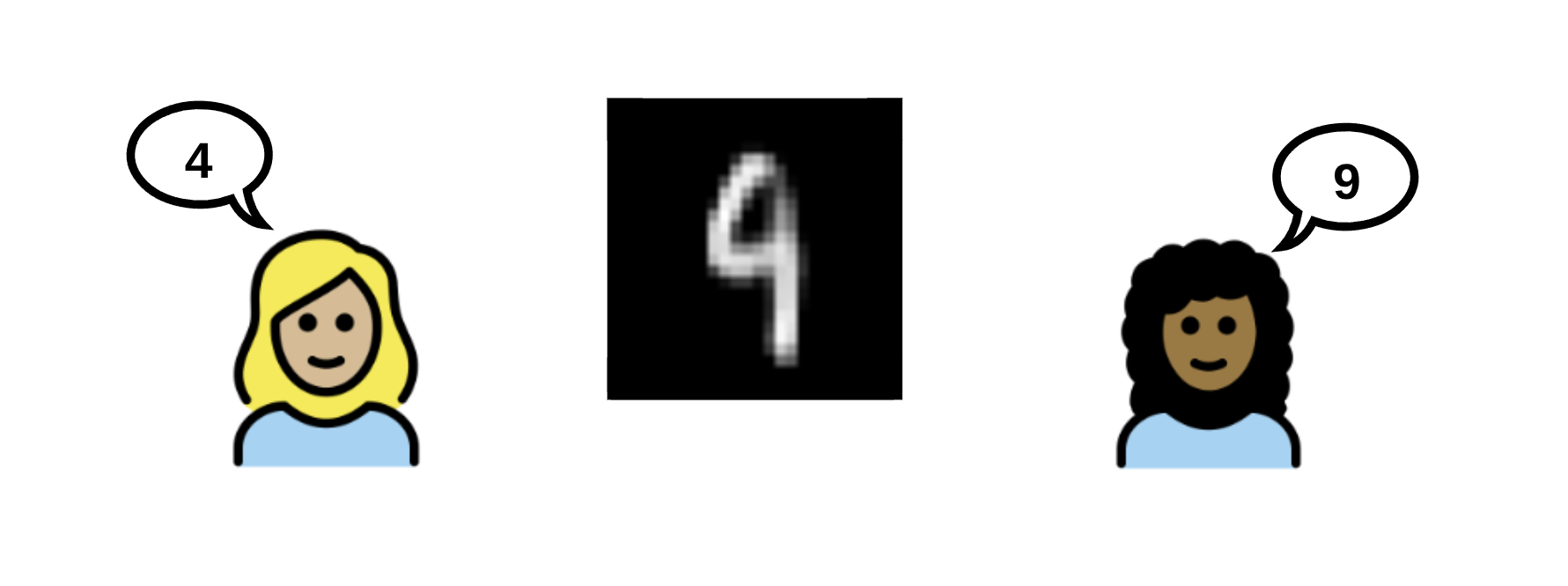
Annotators marked each MNIST and Mukhoti digit yes, no, or unsure, producing image-level soft labels and uncertainty scores.
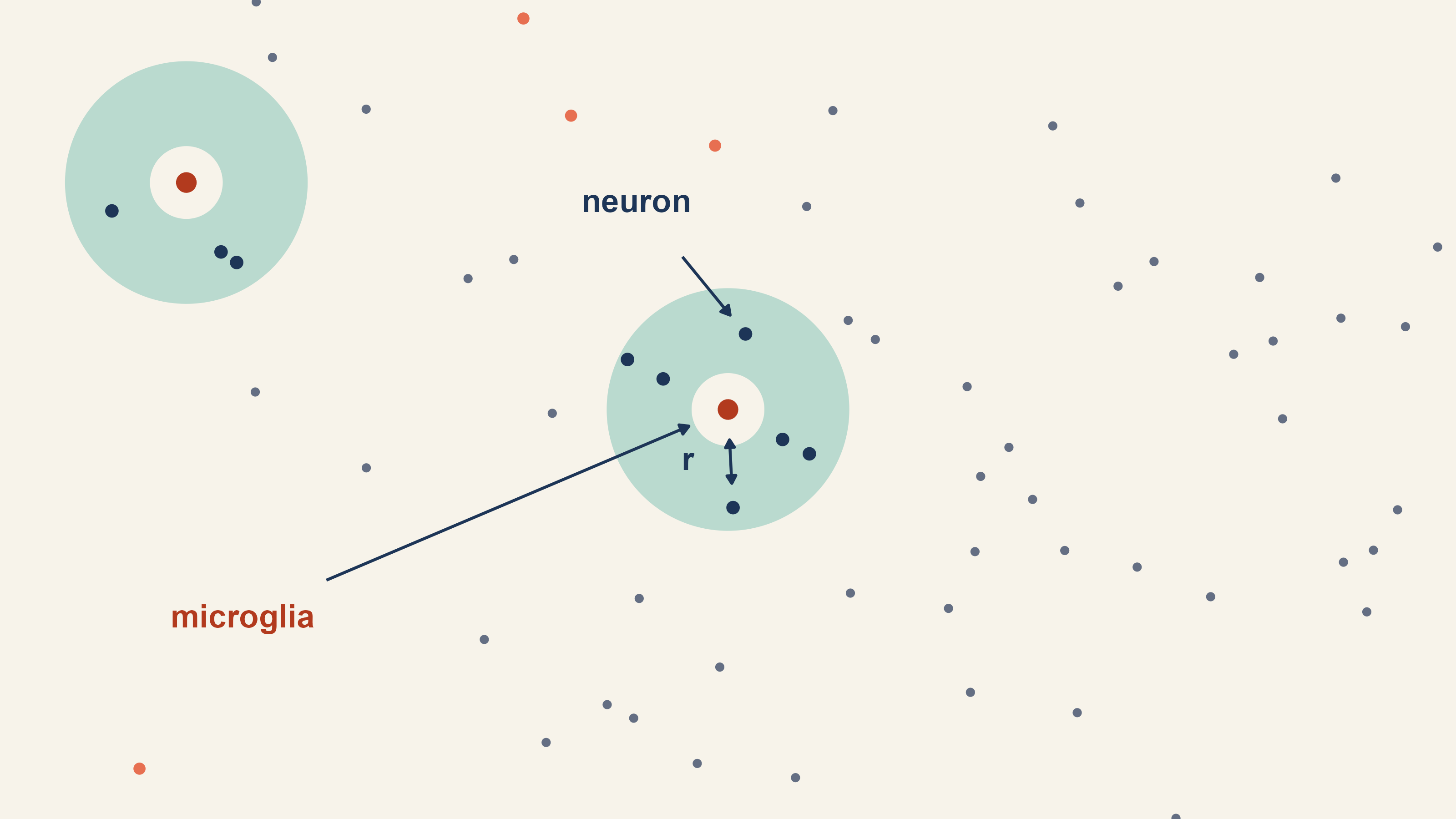
A simulated scar and data from 31 animals after ischemia show how an inhomogeneous estimator, random labelling, and brms separate tissue loss from real interaction.
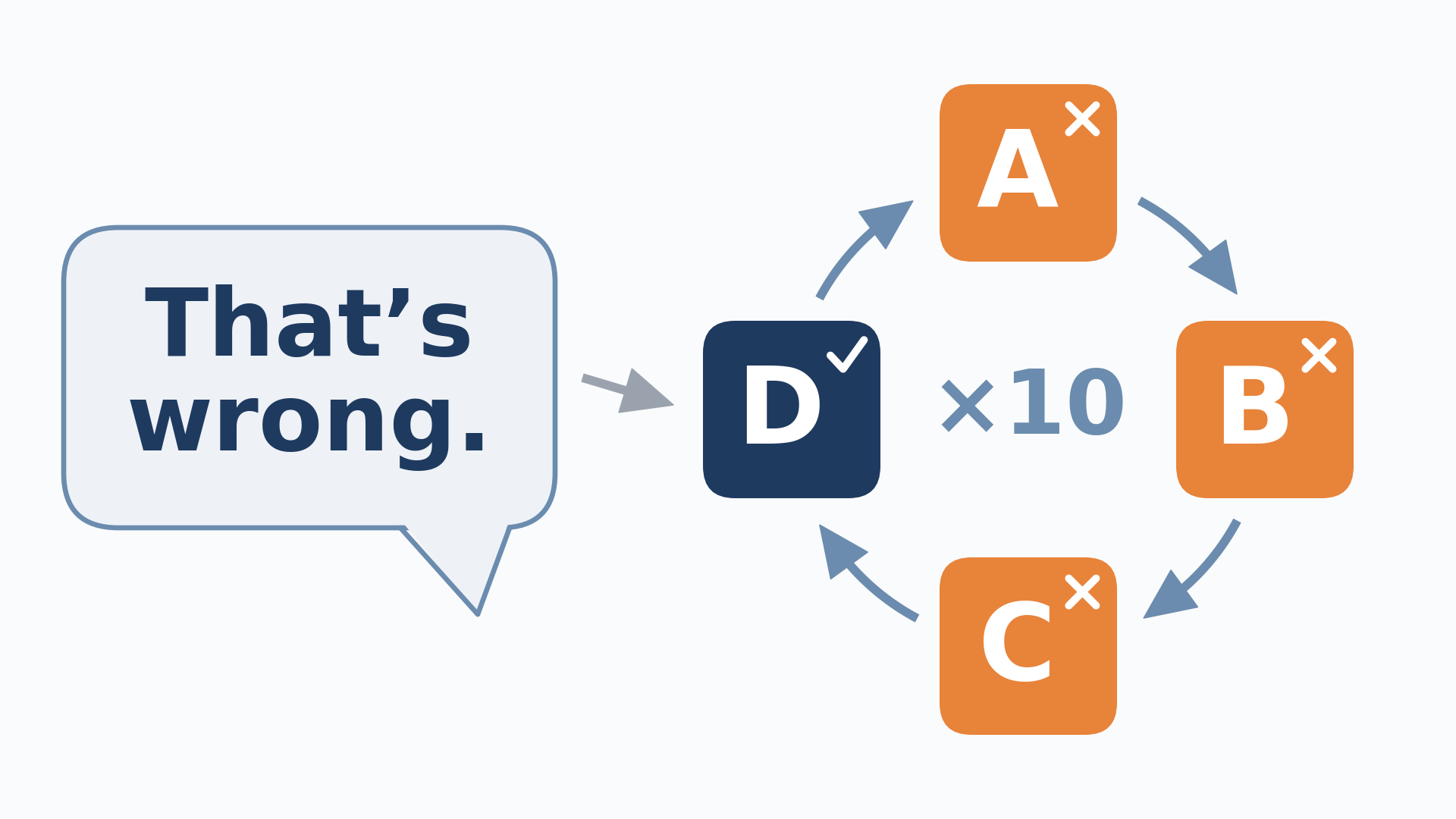
Three small open models, 150 MMLU questions each, five pushback styles: “That’s wrong” did more damage, and naming a wrong option was close to fatal.
A palace-hotel wedding week shows where assistants, copilots, agents, and orchestration fit, and why Gartner expects 40%+ of agentic AI projects to be cancelled.

A Sate Padang vision test and a Malaysia capital question show why the free, private model needs grounding and validation before it leaves prototyping.
Trained on six PathMNIST tissues with a small KEEP adapter, it handled added labels without retraining, though a linear classifier hit 88% on familiar ones.
Jev needs no training and at most three examples per intent; the open rebuild needs labels. Both still fall into the none-of-the-above trap.
A software tester ran six testing skills on Haiku, Sonnet, and Opus; pushy descriptions added only 5 points, and near-miss requests never fired a skill.
A Gemini Flash-Lite step pulls skills, seniority, and Nigeria eligibility from 18 RemoteOK postings, with Python checks and dbt tests guarding every answer.
Across 2,312 planted faults the study also surfaced four real library problems, from a Windows data-loss bug to README examples that do not work as written.
Annotators marked each MNIST and Mukhoti digit yes, no, or unsure, producing image-level soft labels and uncertainty scores.
A simulated scar and data from 31 animals after ischemia show how an inhomogeneous estimator, random labelling, and brms separate tissue loss from real interaction.
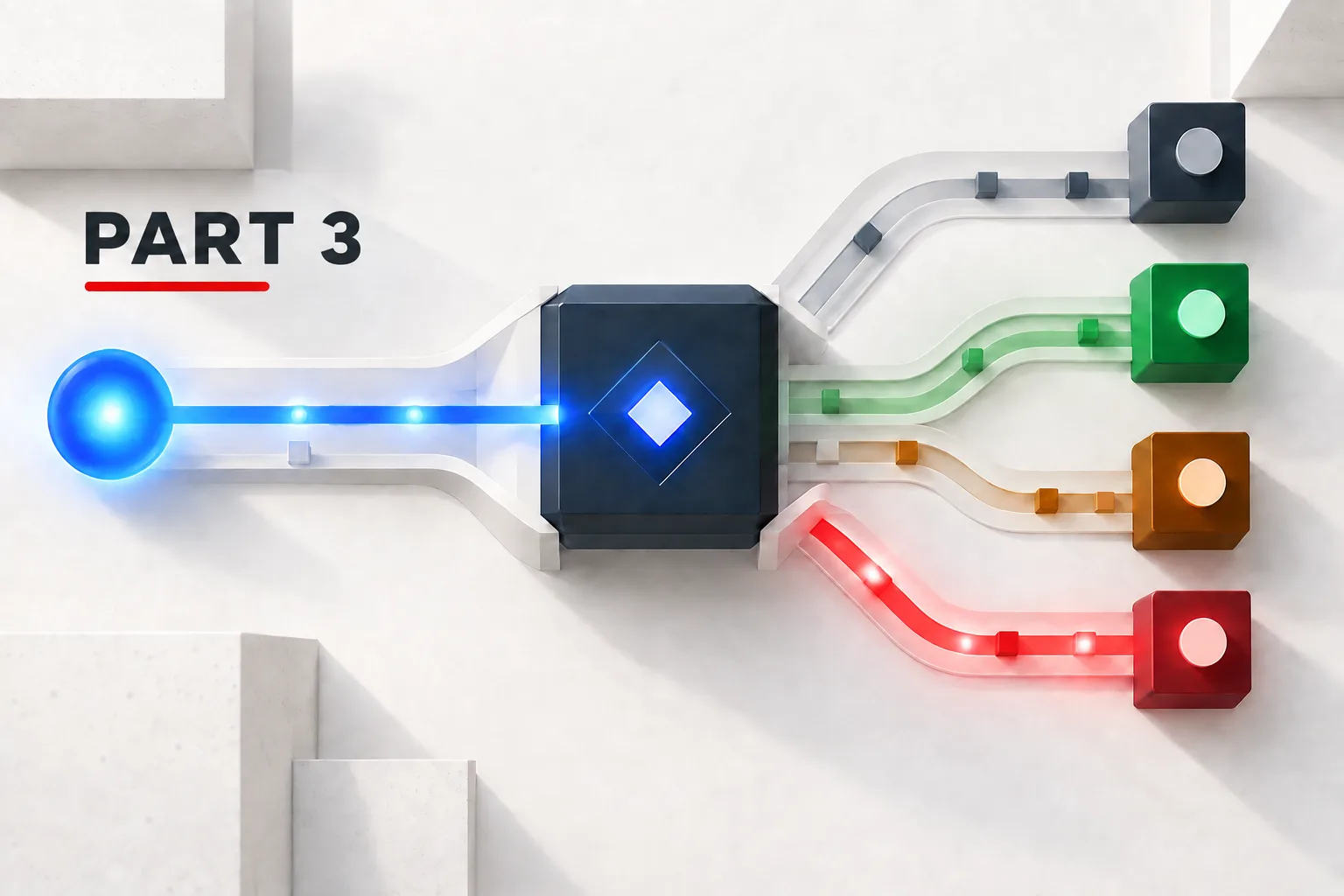
Trained on six PathMNIST tissues with a small KEEP adapter, it handled added labels without retraining, though a linear classifier hit 88% on familiar ones.
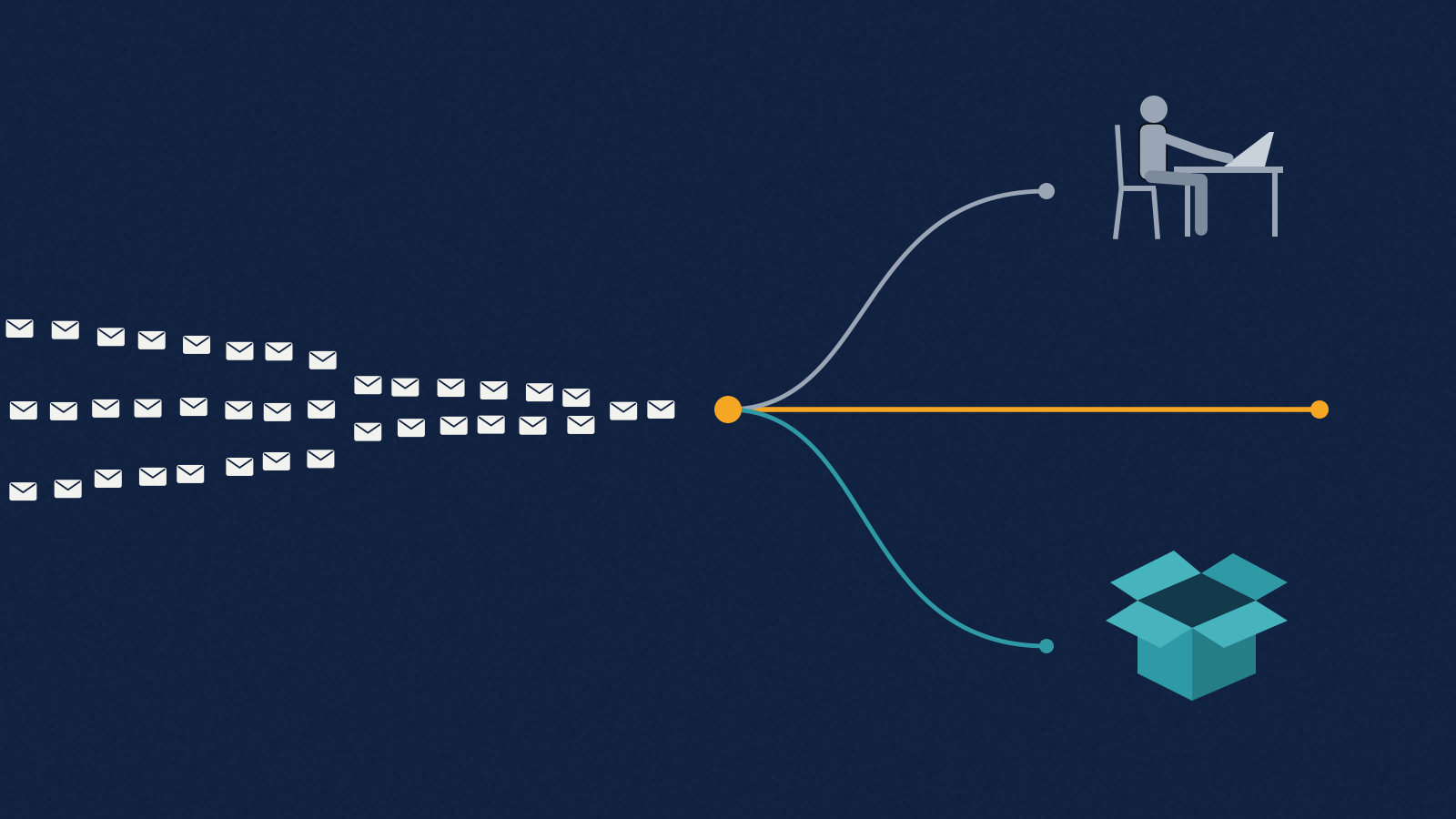
Jev needs no training and at most three examples per intent; the open rebuild needs labels. Both still fall into the none-of-the-above trap.
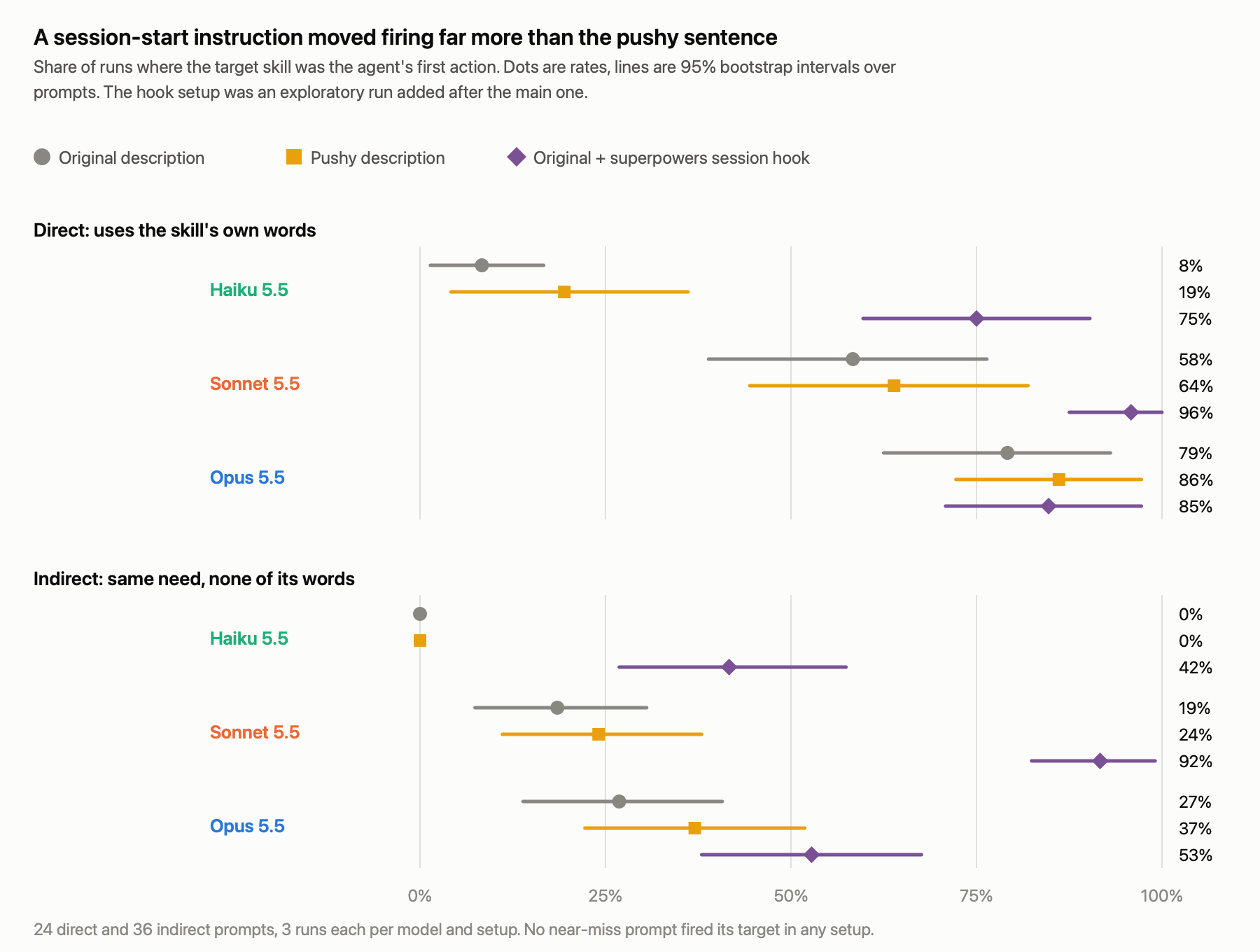
A software tester ran six testing skills on Haiku, Sonnet, and Opus; pushy descriptions added only 5 points, and near-miss requests never fired a skill.
Sorting through the good, bad, and ambiguous aspects of vibe coding
Don't miss our most-read and -shared stories of the past month

Beyond basic ReAct loops: six production-oriented architectures for building autonomous, reliable, and scalable LLM agents.
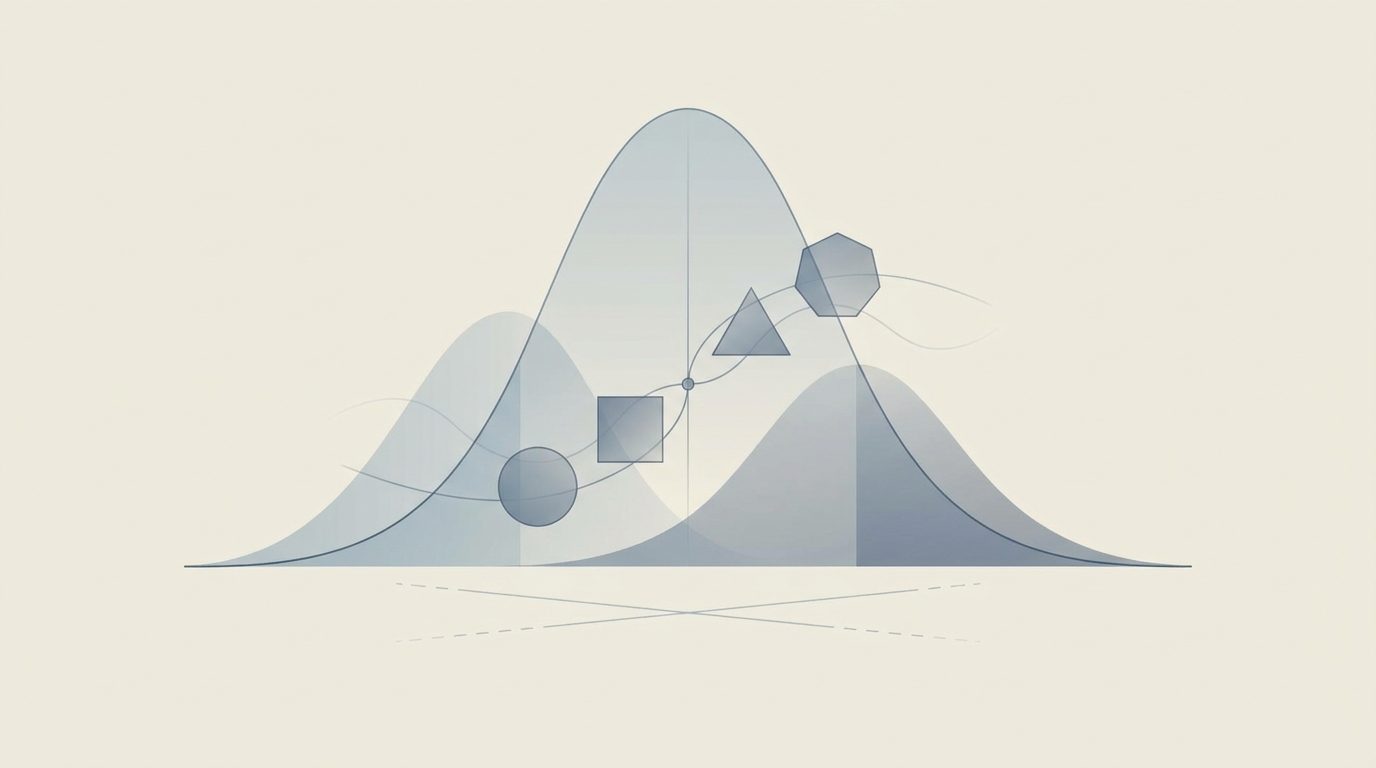
How statistical moments connect the mean, the variance, and higher powers of a distribution
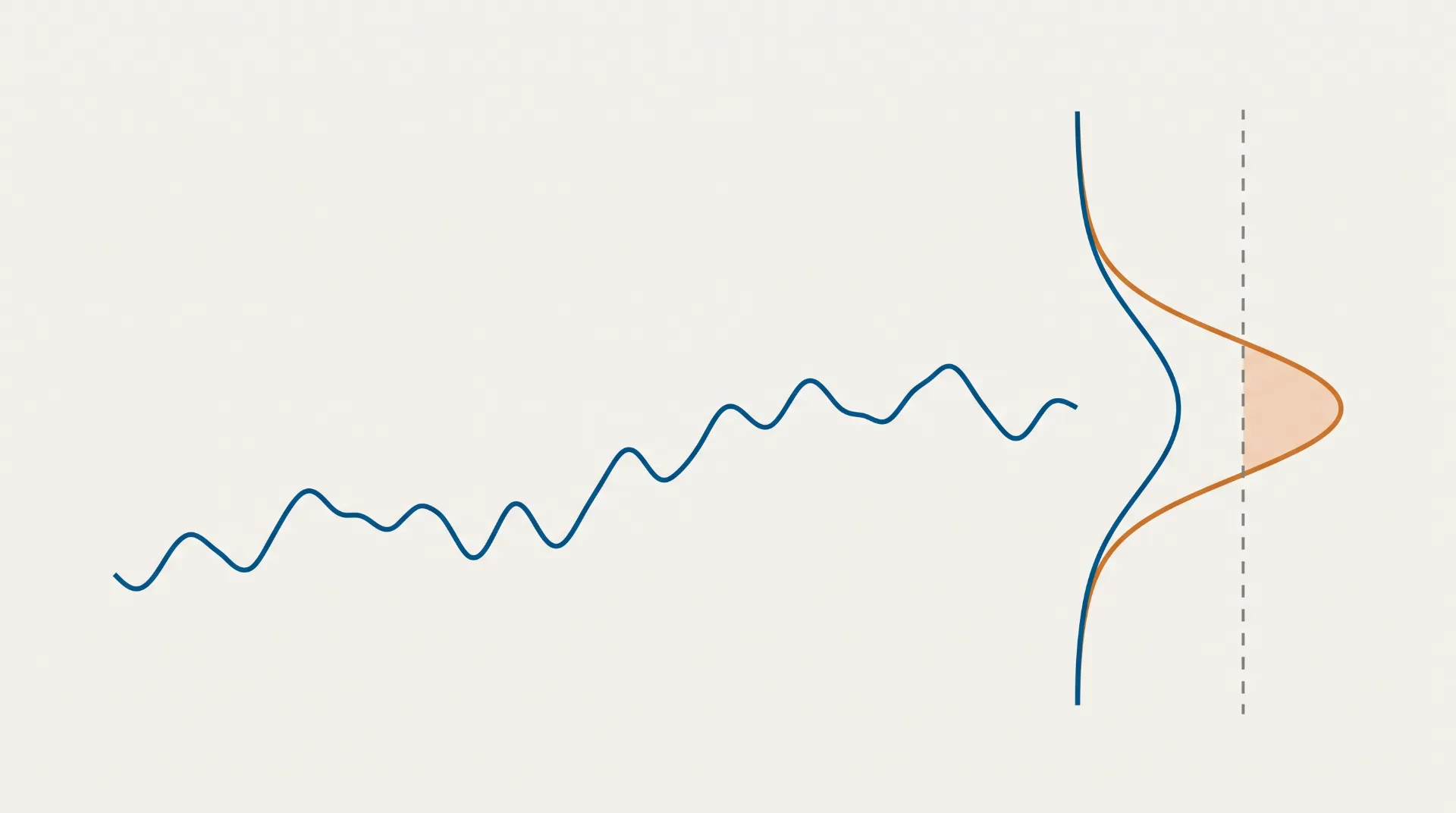
First in a series on probabilistic forecasting for physical signals. Next: what happens when you roll the forecast forward more than one step.
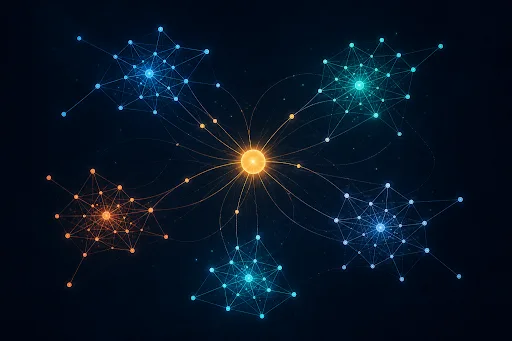
When Codex is the right shape for the problem, when Claude Code is, and how I split 5 specialist agents between them on dense AI capacity work.

Why the skill-inflation panic is aimed at the wrong thing, and what it costs to make agent knowledge a build artifact instead of a file.

A real Weave project that regression-tests three OpenAI models against the exact reply format your app depends on.