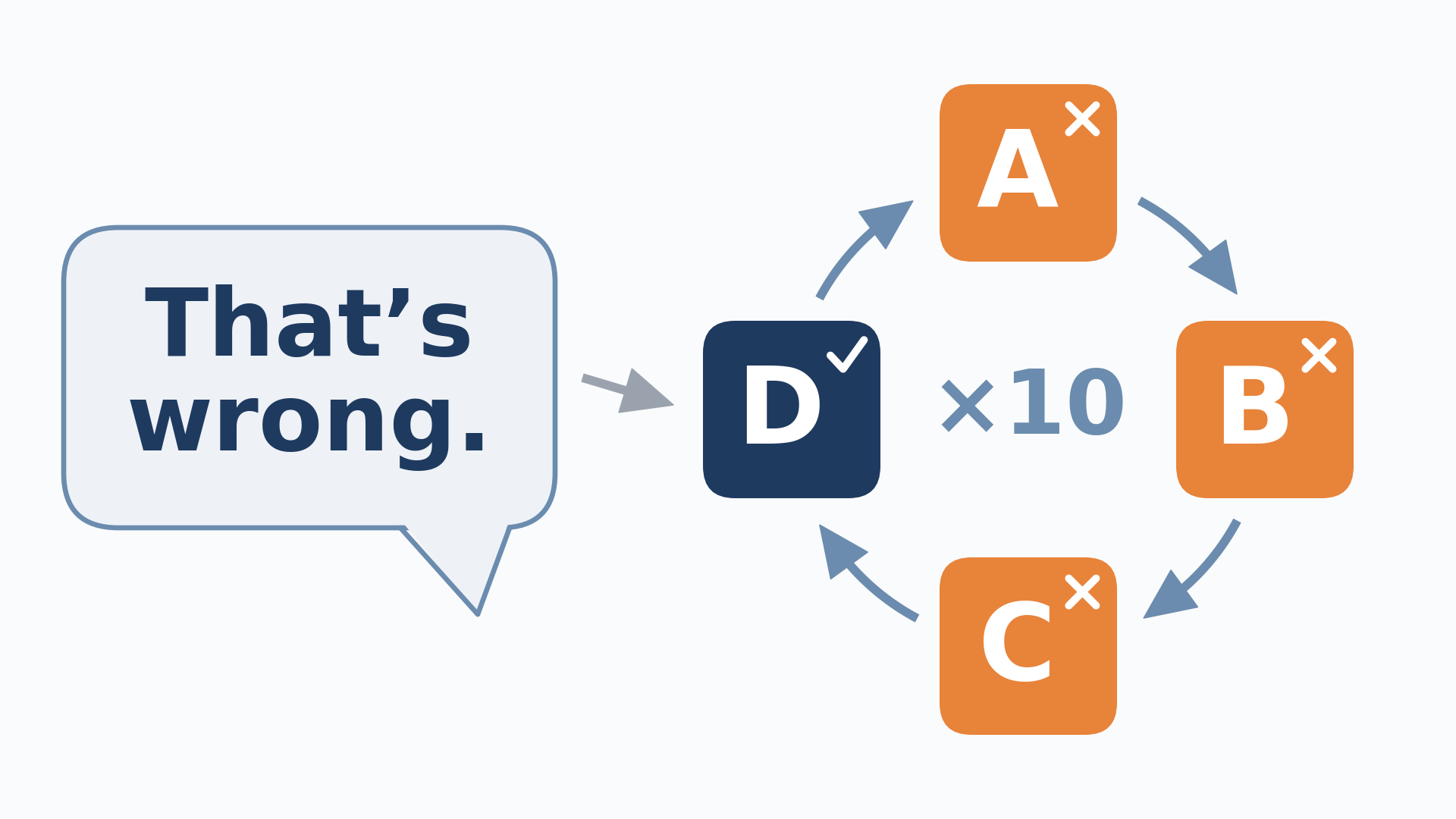
Three small open models, 150 MMLU questions each, five pushback styles: “That’s wrong” did more damage, and naming a wrong option was close to fatal.
Three small open models, 150 MMLU questions each, five pushback styles: “That’s wrong” did more damage, and naming a wrong option was close to fatal.

A palace-hotel wedding week shows where assistants, copilots, agents, and orchestration fit, and why Gartner expects 40%+ of agentic AI projects to be cancelled.

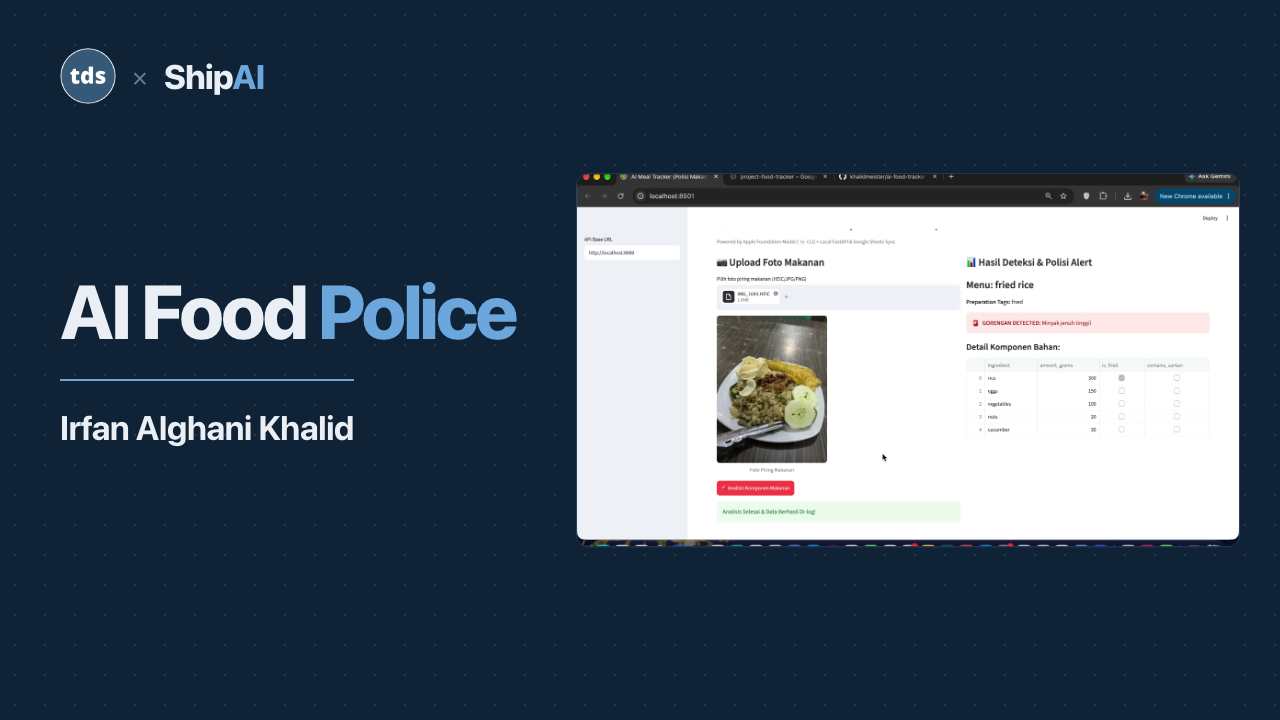
A Sate Padang vision test and a Malaysia capital question show why the free, private model needs grounding and validation before it leaves prototyping.

Trained on six PathMNIST tissues with a small KEEP adapter, it handled added labels without retraining, though a linear classifier hit 88% on familiar ones.
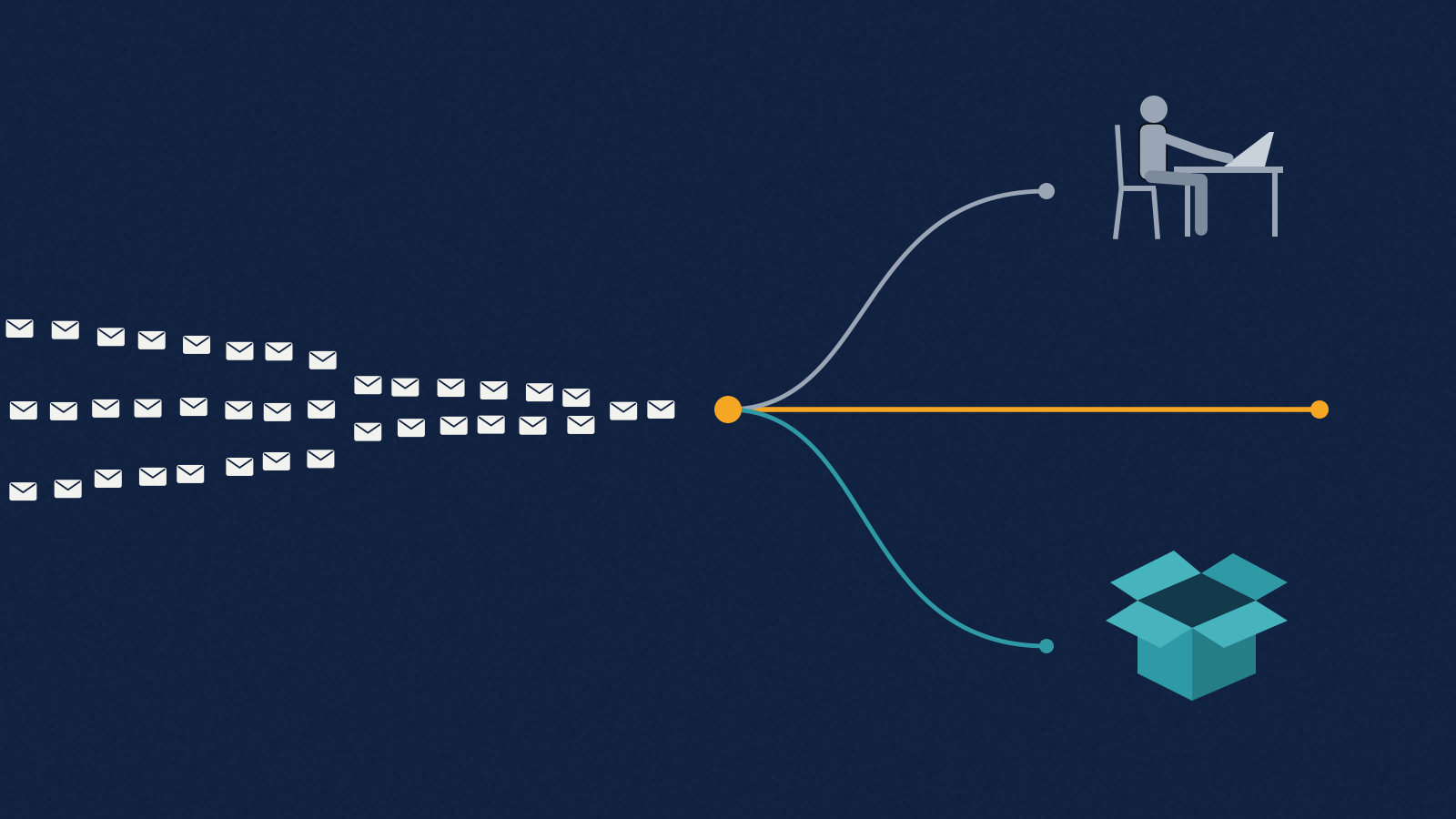
Jev needs no training and at most three examples per intent; the open rebuild needs labels. Both still fall into the none-of-the-above trap.
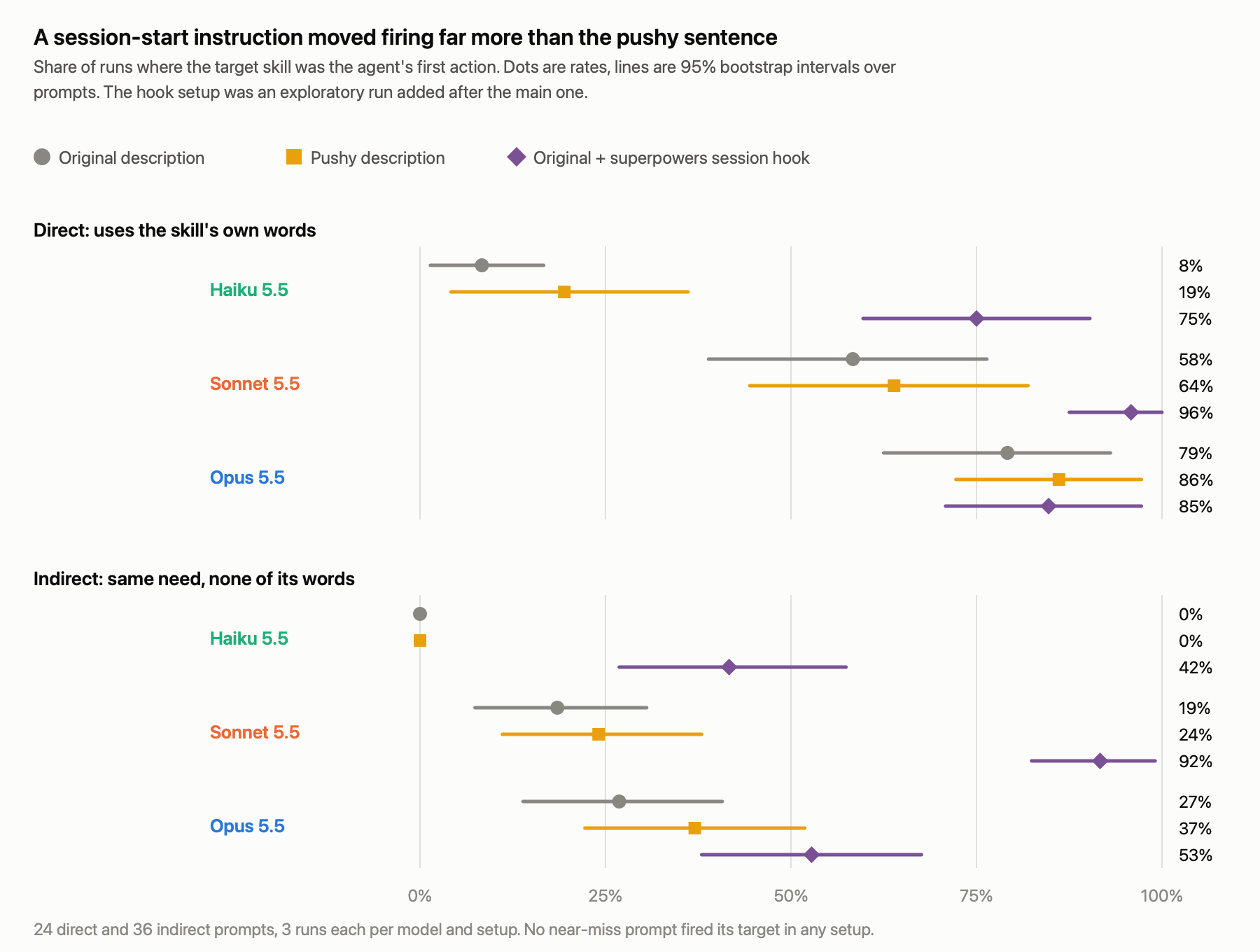
A software tester ran six testing skills on Haiku, Sonnet, and Opus; pushy descriptions added only 5 points, and near-miss requests never fired a skill.

A Gemini Flash-Lite step pulls skills, seniority, and Nigeria eligibility from 18 RemoteOK postings, with Python checks and dbt tests guarding every answer.

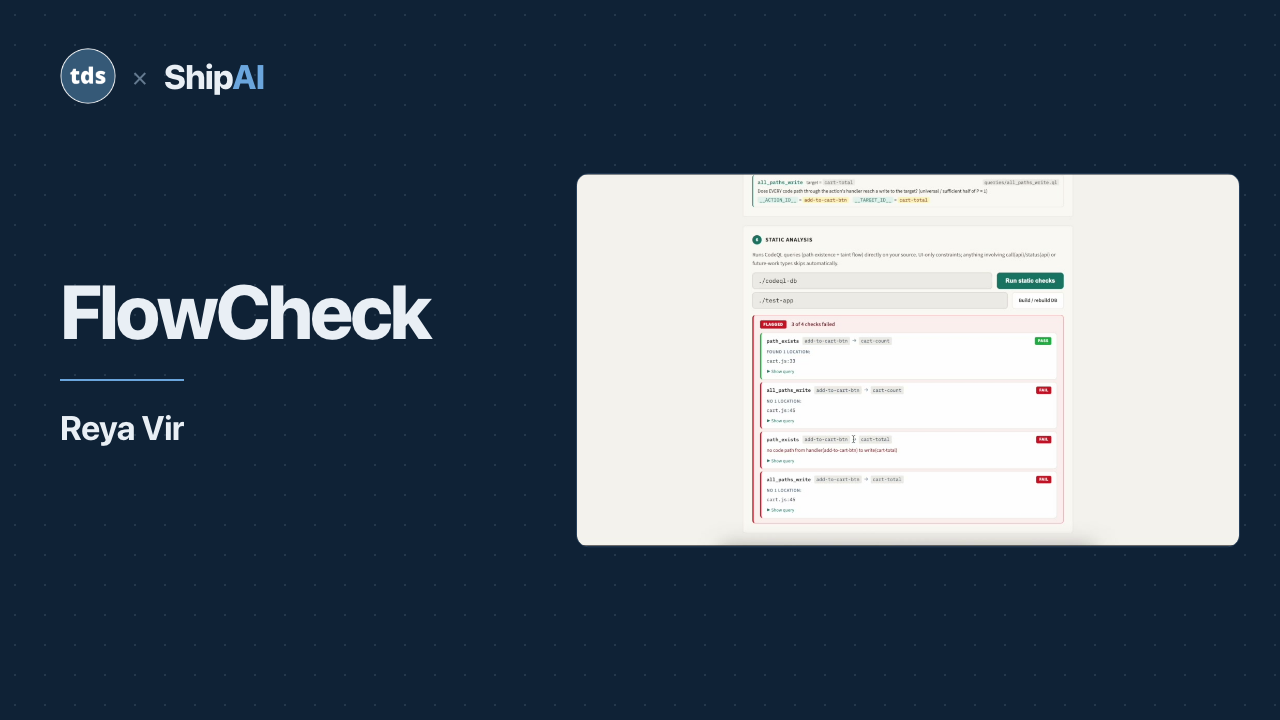
A guard on negative enrollment days looked correct while the function it called overbilled a customer 11 days, and an invariant test would have caught it.

For anyone running an inference server: a zero-variance control, five traffic traces, and an engine-vs-scheduler split show where the gains come from.

Studies of short stories, metaphors, and 486 participants point one way, an 800-person experiment points the other, and the author weighs both.

A fisheries estimator from the 1890s, tested on 294 CUAD contracts, landed within 2 points of true recall for most agents with a 10% hand audit.
Trained on six PathMNIST tissues with a small KEEP adapter, it handled added labels without retraining, though a linear classifier hit 88% on familiar ones.
Jev needs no training and at most three examples per intent; the open rebuild needs labels. Both still fall into the none-of-the-above trap.
A software tester ran six testing skills on Haiku, Sonnet, and Opus; pushy descriptions added only 5 points, and near-miss requests never fired a skill.
A guard on negative enrollment days looked correct while the function it called overbilled a customer 11 days, and an invariant test would have caught it.
For anyone running an inference server: a zero-variance control, five traffic traces, and an engine-vs-scheduler split show where the gains come from.
A fisheries estimator from the 1890s, tested on 294 CUAD contracts, landed within 2 points of true recall for most agents with a 10% hand audit.
Sorting through the good, bad, and ambiguous aspects of vibe coding

Don't miss our most-read and -shared stories of the past month

Beyond basic ReAct loops: six production-oriented architectures for building autonomous, reliable, and scalable LLM agents.
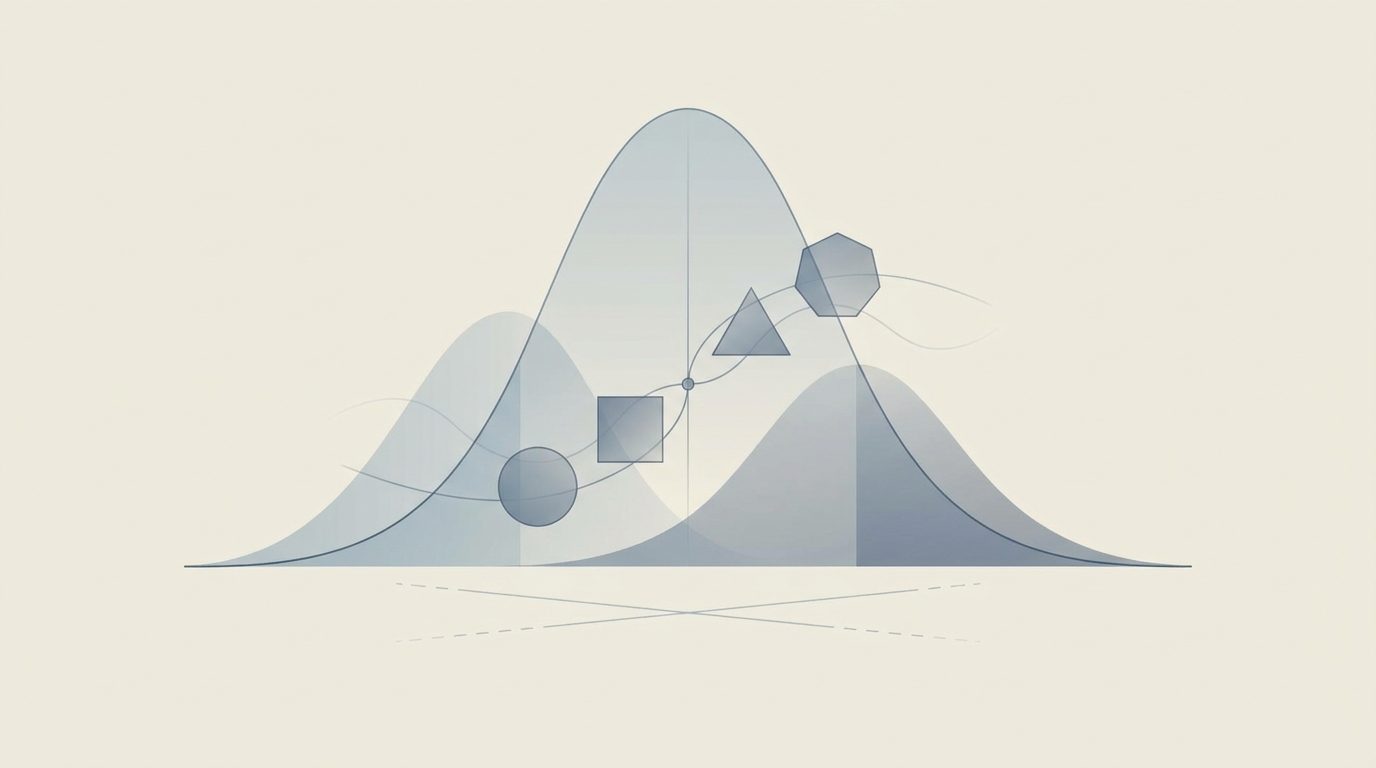
How statistical moments connect the mean, the variance, and higher powers of a distribution
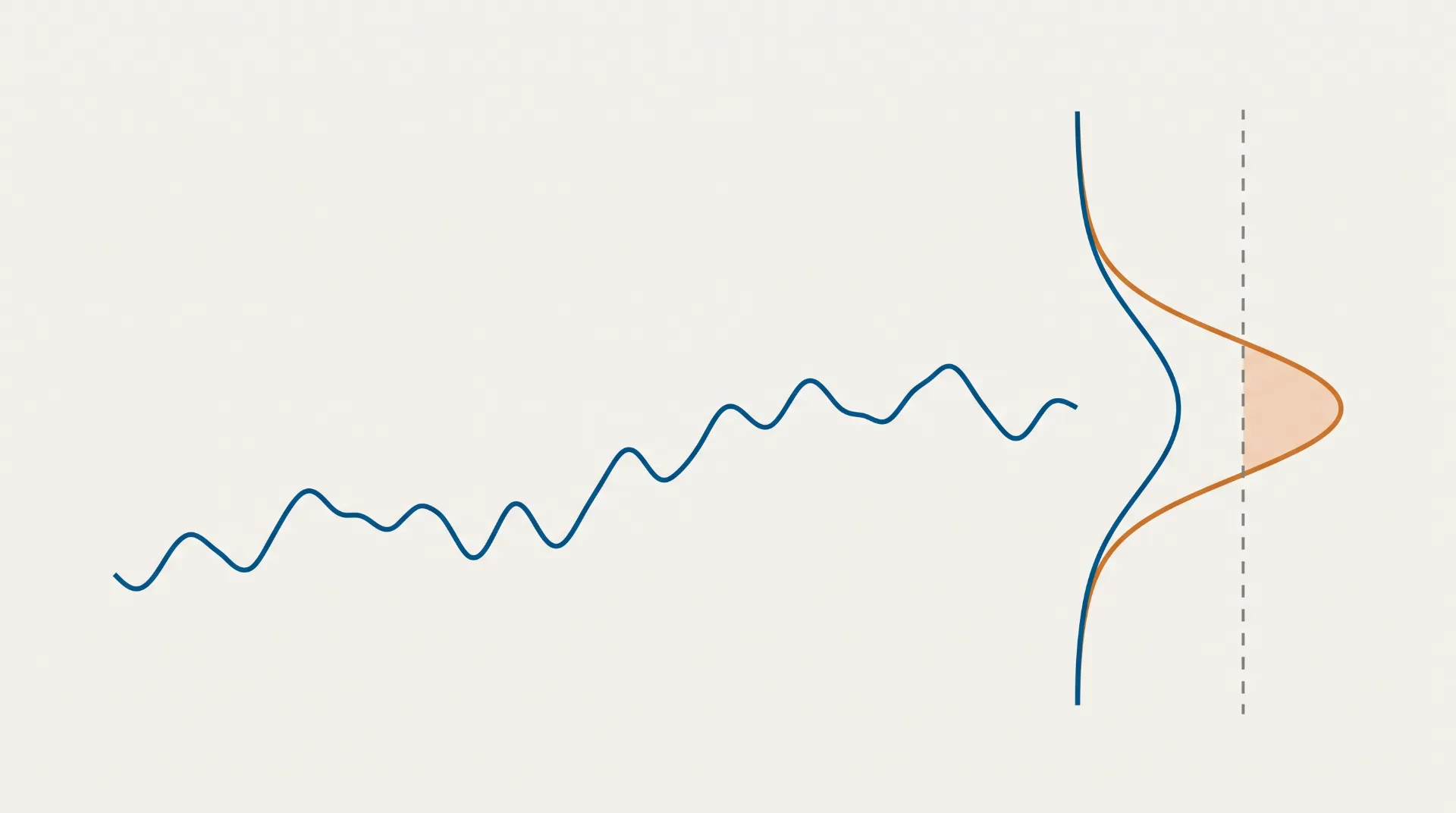
First in a series on probabilistic forecasting for physical signals. Next: what happens when you roll the forecast forward more than one step.

When Codex is the right shape for the problem, when Claude Code is, and how I split 5 specialist agents between them on dense AI capacity work.

Why the skill-inflation panic is aimed at the wrong thing, and what it costs to make agent knowledge a build artifact instead of a file.
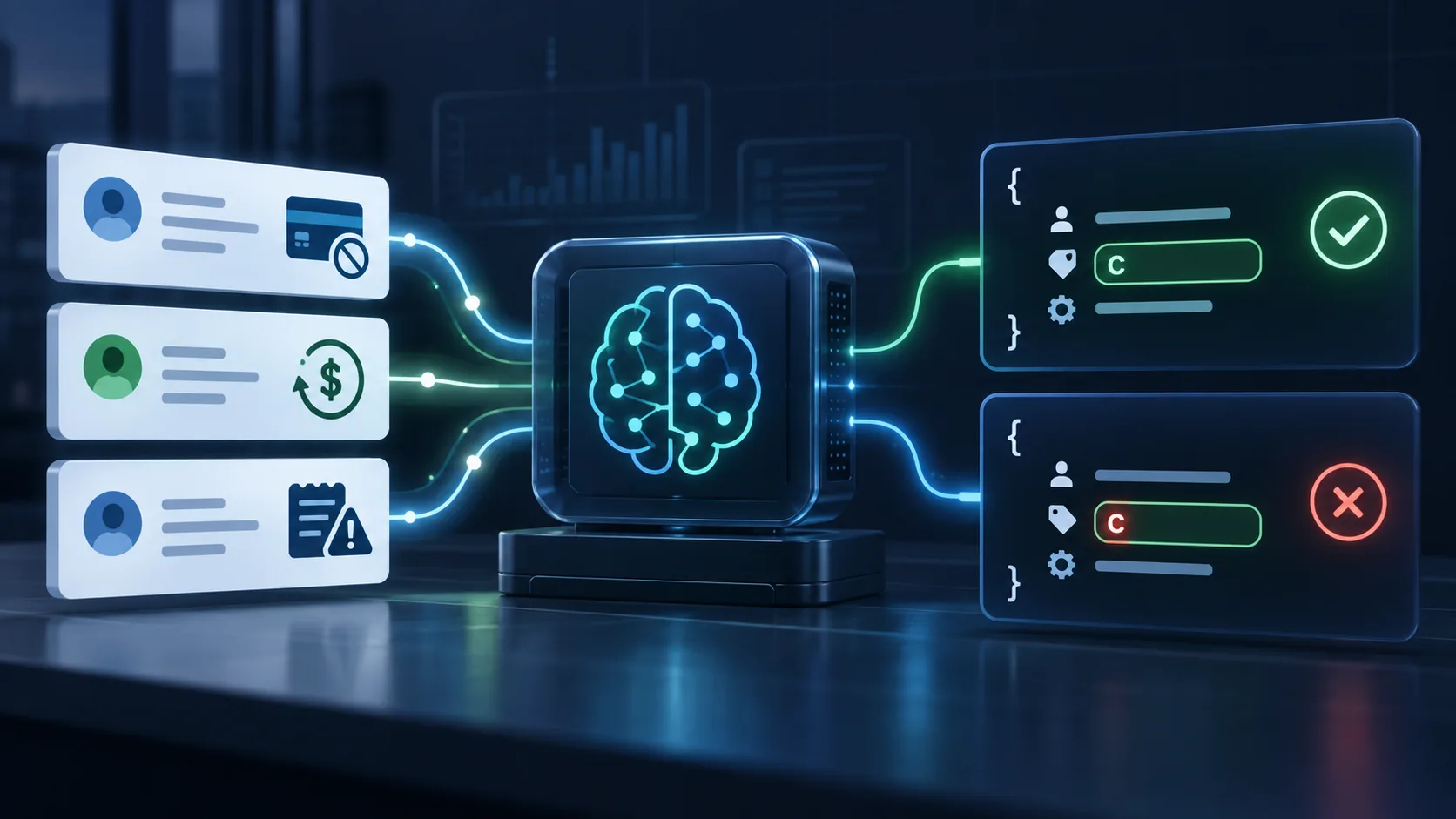
A real Weave project that regression-tests three OpenAI models against the exact reply format your app depends on.