

Parturition and lactation are two closely linked physiological processes that occur at the end of pregnancy and after childbirth. Together, they ensure the safe delivery of the baby and provide nourishment and immunity to the newborn.
Parturition
Parturition is the process of childbirth that marks the end of pregnancy and the beginning of the newborn's independent life. Following parturition, the mother produces and secretes milk to nourish the baby during the lactation period.
The process of expelling the fully developed fetus from the uterus at the end of pregnancy is called parturition. The fetus is expelled through the birth canal after a series of physiological processes that prepare the mother's body for labor. Parturition is initiated by hormonal signals from both the mother and the fully developed fetus.
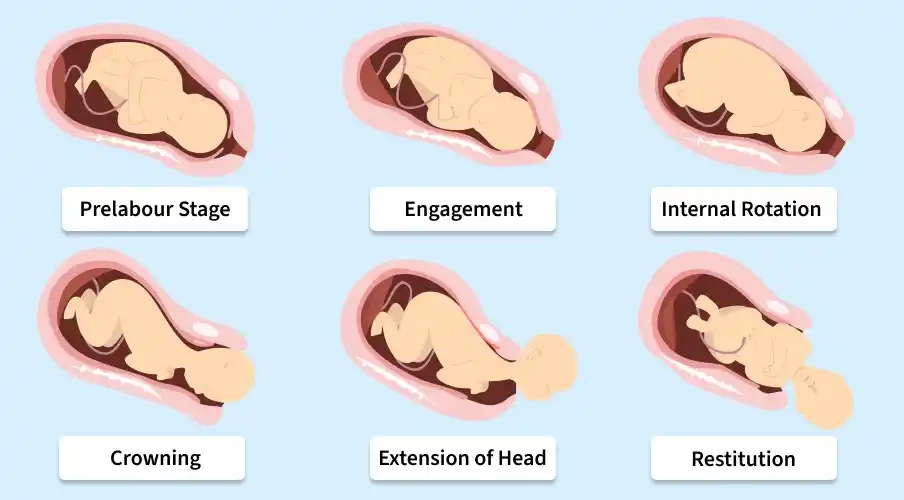
The process of labor involves several movements of the fetus during childbirth. which are as follows:
- Pre-labor Stage – Mild, irregular uterine contractions begin, preparing the cervix and uterus for childbirth.
- Engagement – The fetal head enters and settles into the pelvic cavity.
- Internal Rotation – The fetal head rotates to align with the birth canal for easy passage.
- Crowning – The widest part of the fetal head appears at the vaginal opening.
- Extension of Head—The fetal head extends backwards to pass out through the vaginal opening.
- Restitution – After the head is delivered, it rotates back to its original position to allow shoulder delivery.
Hormonal Control of Parturition:
- A complex interaction of hormones, including estrogen, progesterone, oxytocin, and prostaglandins, regulates the parturition process.
- Near the end of pregnancy, progesterone levels decrease while estrogen levels increase, making the uterus more sensitive to contractions.
- By softening and dilating the cervix, prostaglandins also play a significant role in the beginning and development of labor.
Lactation
Lactation is the process of production and secretion of milk from the mammary glands after childbirth. It is critical for the infant's growth and development and is an important part of postnatal development.
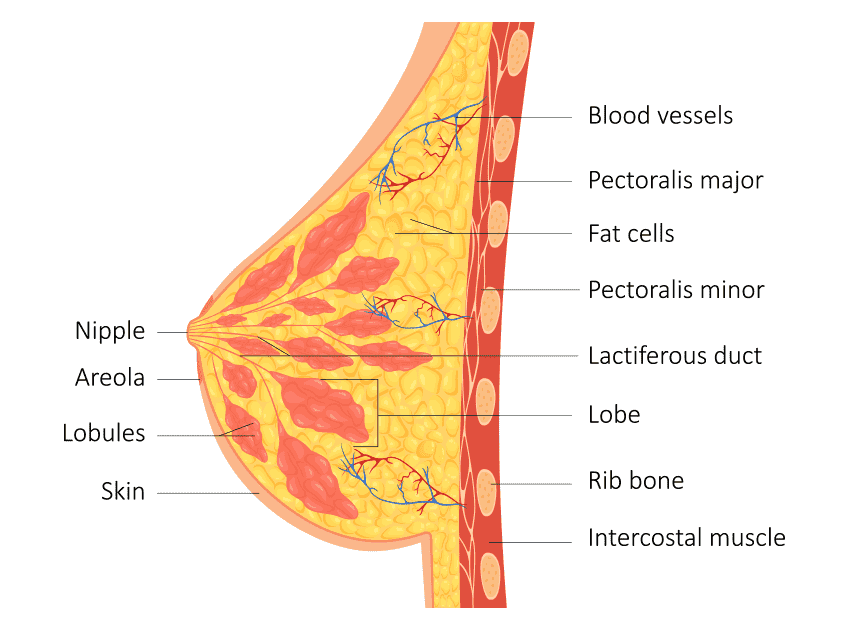
The flow of Milk in Mammary Gland are given below:
Alveoli → Mammary Tubules → Mammary Ducts → Mammary Ampulla (or Lactiferous Sinus) → Lactiferous Ducts → Nipple
Stages of lactation
There are two stages to lactation, which are as follows:
- The growth of the mammary glands and the formation of colostrum, a nutrient-rich fluid that supplies the child with necessary nutrients and immunological components, are characteristics of the first stage, or lactogenesis I, which starts during pregnancy.
- After parturition, the second stage, also known as lactogenesis II, starts, which is distinguished by the generation of mature milk. All the nutrients and immunological components required for the growth and development of the newborn are present in mature milk.
Hormonal Control of Lactation:
- A complex interplay of hormones, including prolactin, oxytocin, and estrogen, regulates lactation. The pituitary gland releases prolactin in response to sucking, which increases milk production.
- Sucking or nipple stimulation causes the release of oxytocin, which increases milk ejection.
- By encouraging the growth and development of the mammary glands, estrogen also plays a significant role in lactation.
