

Given a Binary Search Tree and a sum. The task is to check if any triplet (group of 3 elements) exists in the BST with the given sum. Three nodes may not necessarily be distinct.
Examples:
Input : sum = 9
Output: true
Explanation: There exists a triplet {3, 3, 3} in the above given BST with sum 9.
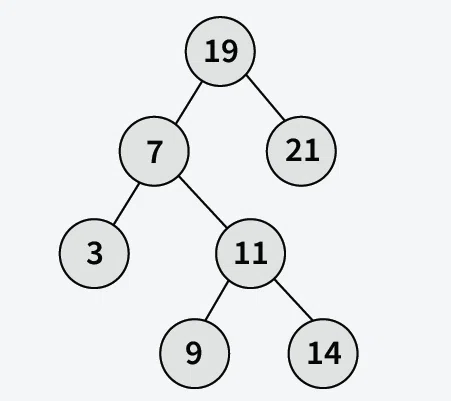
Table of Content
[Naive approach] Convert tree to array - O(n^2) Time and O(n) Space
A simple approach will be to convert the BST to a sorted array and then find the triplet using three-pointers. This will take O(n) extra space where n is the number of nodes present in the Binary Search Tree. Please refer to Check if a triplet with given sum exists in BST for implementation.
We will solve this problem using a space-efficient method by reducing the additional space complexity to O(h) where h is the height of BST. For that, we will use the two pointer technique on BST.
[Expected Approach] Two Pointer technique on BST - O(n^2) Time and O(h) Space
The idea is to use the two pointer technique on BST. We will traverse all the nodes of the tree one by one and for each node, we will try to find a pair with a sum equal to (sum - curr->data) where 'curr' is the current node of the BST we are traversing. We will use a technique similar to the technique discussed in Pair with a given sum in BST.
Follow the steps below to solve the problem:
- Traverse each node of BST one by one and for each node:
- Create a forward and backward iterator for BST. Let's say the value of nodes they are pointing at are v1 and v2.
- Now at each step,
- If v1 + v2 = sum, we found a pair, thus we will increase the count by 1.
- If v1 + v2 is less than or equal to sum, we will make forward iterator point to the next element.
- If v1 + v2 is greater than sum, we will make backward iterator point to the previous element.
- We will continue the above while the left iterator doesn't point to a node with larger value than right node.
// C++ implementation of finding triplate with given
// target using two pointer technique on BST

#include <bits/stdc++.h>
using namespace std;

class Node {
public:
  	int data;
    Node* left;
    Node* right;
    Node(int x) {
        data = x;
        left = right = nullptr;
    }
};

bool existsPair(Node* root, int sum) {

    stack<Node *> it1, it2;

    // Initializing forward iterator
    Node* c = root;
    while (c != nullptr)
        it1.push(c), c = c->left;

    // Initializing backward iterator
    c = root;
    while (c != nullptr)
        it2.push(c), c = c->right;

    // Two pointer technique
    while (it1.size() and it2.size()) {

        // Variables to store values at
        // it1 and it2
        int v1 = it1.top()->data, v2 = it2.top()->data;

        // Base case
        if (v1 + v2 == sum)
            return 1;

        if (v1 > v2)
            break;

        // Moving forward pointer
        if (v1 + v2 < sum) {
            c = it1.top()->right;
            it1.pop();
            while (c != nullptr)
                it1.push(c), c = c->left;
        }

        // Moving backward pointer
        else {
            c = it2.top()->left;
            it2.pop();
            while (c != nullptr)
                it2.push(c), c = c->right;
        }
    }

    return 0;
}

bool existsTriplet(Node* root, Node* curr, int sum) {

    if (curr == nullptr)
        return 0;

    // Conditions for existence of a triplet
    return (existsPair(root, sum - curr->data)
            || existsTriplet(root, curr->left, sum)
            || existsTriplet(root, curr->right, sum));
}

int main() {

  	// Binary search tree:
  	//       5
  	//      / \
    //     3   7
  	//    / \ / \
    //   2  4 6  8
    Node* root = new Node(5);
    root->left = new Node(3);
    root->right = new Node(7);
    root->left->left = new Node(2);
    root->left->right = new Node(4);
    root->right->left = new Node(6);
    root->right->right = new Node(8);

    int sum = 24;

    if (existsTriplet(root, root, sum))
        cout << "true";
    else
        cout << "false";

    return 0;
}
// Java implementation of finding triplet with given
// target using two pointer technique on BST

import java.util.Stack;

class Node {
    int data;
    Node left, right;

    Node(int x) {
        data = x;
        left = right = null;
    }
}

class GfG {

    static boolean existsPair(Node root, int sum) {

        Stack<Node> it1 = new Stack<>();
        Stack<Node> it2 = new Stack<>();

        // Initializing forward iterator
        Node c = root;
        while (c != null) {
            it1.push(c);
            c = c.left;
        }

        // Initializing backward iterator
        c = root;
        while (c != null) {
            it2.push(c);
            c = c.right;
        }

        // Two pointer technique
        while (!it1.isEmpty() && !it2.isEmpty()) {

            // Variables to store values at
            // it1 and it2
            int v1 = it1.peek().data, v2 = it2.peek().data;

            // Base case
            if (v1 + v2 == sum)
                return true;

            if (v1 > v2)
                break;

            // Moving forward pointer
            if (v1 + v2 < sum) {
                c = it1.peek().right;
                it1.pop();
                while (c != null) {
                    it1.push(c);
                    c = c.left;
                }
            }

            // Moving backward pointer
            else {
                c = it2.peek().left;
                it2.pop();
                while (c != null) {
                    it2.push(c);
                    c = c.right;
                }
            }
        }

        return false;
    }

    static boolean existsTriplet(Node root, Node curr, int sum) {

        if (curr == null)
            return false;

        // Conditions for existence of a triplet
        return (existsPair(root, sum - curr.data)
                || existsTriplet(root, curr.left, sum)
                || existsTriplet(root, curr.right, sum));
    }

    public static void main(String[] args) {

        // Binary search tree:
        //       5
        //      / \
        //     3   7
        //    / \ / \
        //   2  4 6  8
        Node root = new Node(5);
        root.left = new Node(3);
        root.right = new Node(7);
        root.left.left = new Node(2);
        root.left.right = new Node(4);
        root.right.left = new Node(6);
        root.right.right = new Node(8);

        int sum = 24;

        if (existsTriplet(root, root, sum))
            System.out.println("true");
        else
            System.out.println("false");
    }
}
# Python implementation of finding triplet with given
# target using two pointer technique on BST

class Node:
    def __init__(self, data):
        self.data = data
        self.left = None
        self.right = None

def existsPair(root, sum):

    it1, it2 = [], []

    # Initializing forward iterator
    c = root
    while c:
        it1.append(c)
        c = c.left

    # Initializing backward iterator
    c = root
    while c:
        it2.append(c)
        c = c.right

    # Two pointer technique
    while it1 and it2:

        # Variables to store values at
        # it1 and it2
        v1 = it1[-1].data
        v2 = it2[-1].data

        # Base case
        if v1 + v2 == sum:
            return True

        if v1 > v2:
            break

        # Moving forward pointer
        if v1 + v2 < sum:
            c = it1.pop().right
            while c:
                it1.append(c)
                c = c.left

        # Moving backward pointer
        else:
            c = it2.pop().left
            while c:
                it2.append(c)
                c = c.right

    return False

def existsTriplet(root, curr, sum):

    if curr is None:
        return False

    # Conditions for existence of a triplet
    return (existsPair(root, sum - curr.data)
            or existsTriplet(root, curr.left, sum)
            or existsTriplet(root, curr.right, sum))

if __name__ == "__main__":

    # Binary search tree:
    #       5
    #      / \
    #     3   7
    #    / \ / \
    #   2  4 6  8
    root = Node(5)
    root.left = Node(3)
    root.right = Node(7)
    root.left.left = Node(2)
    root.left.right = Node(4)
    root.right.left = Node(6)
    root.right.right = Node(8)

    sum = 24

    if existsTriplet(root, root, sum):
        print("true")
    else:
        print("false")
// C# implementation of finding triplet with given
// target using two pointer technique on BST

using System;
using System.Collections.Generic;

class Node {
    public int data;
    public Node left, right;

    public Node(int x) {
        data = x;
        left = right = null;
    }
}

class GfG {

    static bool ExistsPair(Node root, int sum) {

        Stack<Node> it1 = new Stack<Node>();
        Stack<Node> it2 = new Stack<Node>();

        // Initializing forward iterator
        Node c = root;
        while (c != null) {
            it1.Push(c);
            c = c.left;
        }

        // Initializing backward iterator
        c = root;
        while (c != null) {
            it2.Push(c);
            c = c.right;
        }

        // Two pointer technique
        while (it1.Count > 0 && it2.Count > 0) {

            // Variables to store values at
            // it1 and it2
            int v1 = it1.Peek().data, v2 = it2.Peek().data;

            // Base case
            if (v1 + v2 == sum)
                return true;

            if (v1 > v2)
                break;

            // Moving forward pointer
            if (v1 + v2 < sum) {
                c = it1.Peek().right;
                it1.Pop();
                while (c != null) {
                    it1.Push(c);
                    c = c.left;
                }
            }
            // Moving backward pointer
            else {
                c = it2.Peek().left;
                it2.Pop();
                while (c != null) {
                    it2.Push(c);
                    c = c.right;
                }
            }
        }

        return false;
    }

    static bool ExistsTriplet(Node root, Node curr, int sum) {

        if (curr == null)
            return false;

        // Conditions for existence of a triplet
        return (ExistsPair(root, sum - curr.data)
                || ExistsTriplet(root, curr.left, sum)
                || ExistsTriplet(root, curr.right, sum));
    }

    static void Main(string[] args) {

        // Binary search tree:
        //       5
        //      / \
        //     3   7
        //    / \ / \
        //   2  4 6  8
        Node root = new Node(5);
        root.left = new Node(3);
        root.right = new Node(7);
        root.left.left = new Node(2);
        root.left.right = new Node(4);
        root.right.left = new Node(6);
        root.right.right = new Node(8);

        int sum = 24;

        if (ExistsTriplet(root, root, sum))
            Console.WriteLine("true");
        else
            Console.WriteLine("false");
    }
}
// JavaScript implementation of finding triplet with given
// target using two pointer technique on BST

class Node {
    constructor(data) {
        this.data = data;
        this.left = null;
        this.right = null;
    }
}

function existsPair(root, sum) {

    let it1 = [], it2 = [];

    // Initializing forward iterator
    let c = root;
    while (c) {
        it1.push(c);
        c = c.left;
    }

    // Initializing backward iterator
    c = root;
    while (c) {
        it2.push(c);
        c = c.right;
    }

    // Two pointer technique
    while (it1.length > 0 && it2.length > 0) {

        // Variables to store values at
        // it1 and it2
        let v1 = it1[it1.length - 1].data;
        let v2 = it2[it2.length - 1].data;

        // Base case
        if (v1 + v2 == sum) return true;

        if (v1 > v2) break;

        // Moving forward pointer
        if (v1 + v2 < sum) {
            c = it1.pop().right;
            while (c) {
                it1.push(c);
                c = c.left;
            }
        }
        // Moving backward pointer
        else {
            c = it2.pop().left;
            while (c) {
                it2.push(c);
                c = c.right;
            }
        }
    }

    return false;
}

function existsTriplet(root, curr, sum) {

    // If current node is NULL
    if (curr === null) return false;

    // Conditions for existence of a triplet
    return (existsPair(root, sum - curr.data) ||
            existsTriplet(root, curr.left, sum) ||
            existsTriplet(root, curr.right, sum));
}

// Binary search tree:
//       5
//      / \
//     3   7
//    / \ / \
//   2  4 6  8
let root = new Node(5);
root.left = new Node(3);
root.right = new Node(7);
root.left.left = new Node(2);
root.left.right = new Node(4);
root.right.left = new Node(6);
root.right.right = new Node(8);

let sum = 24;

if (existsTriplet(root, root, sum)) {
    console.log("true");
} else {
    console.log("false");
}
Output
true
