


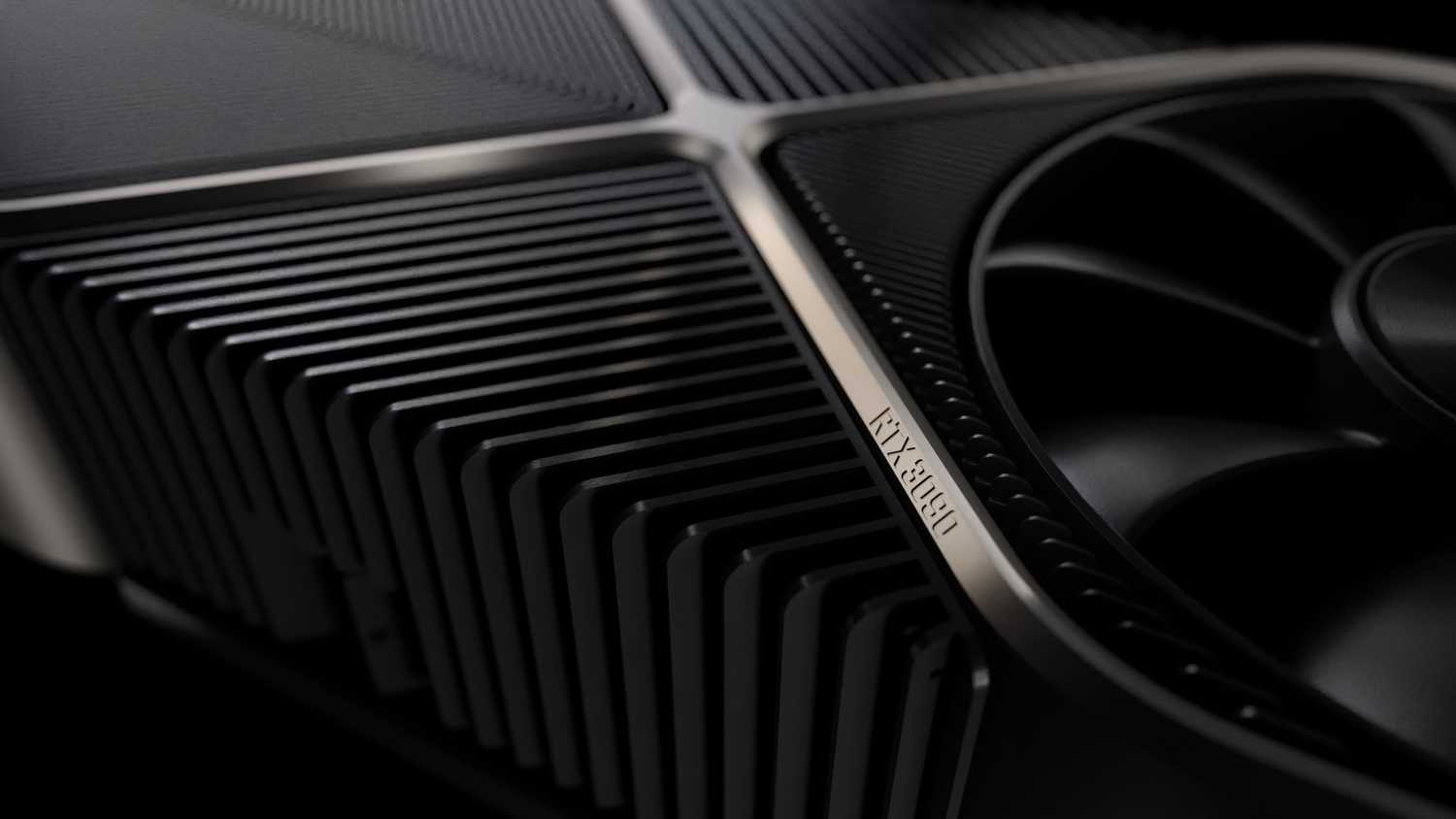
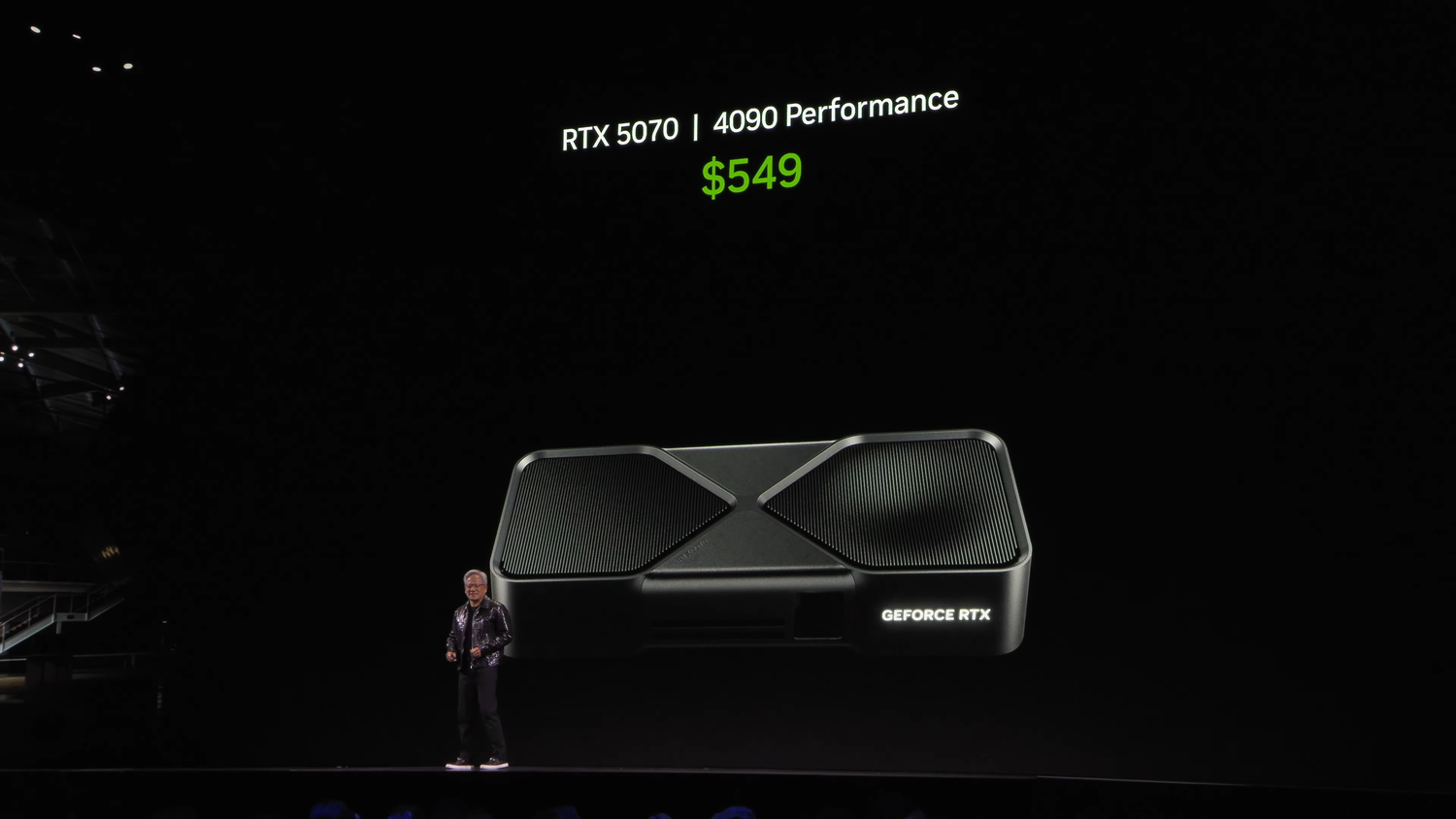
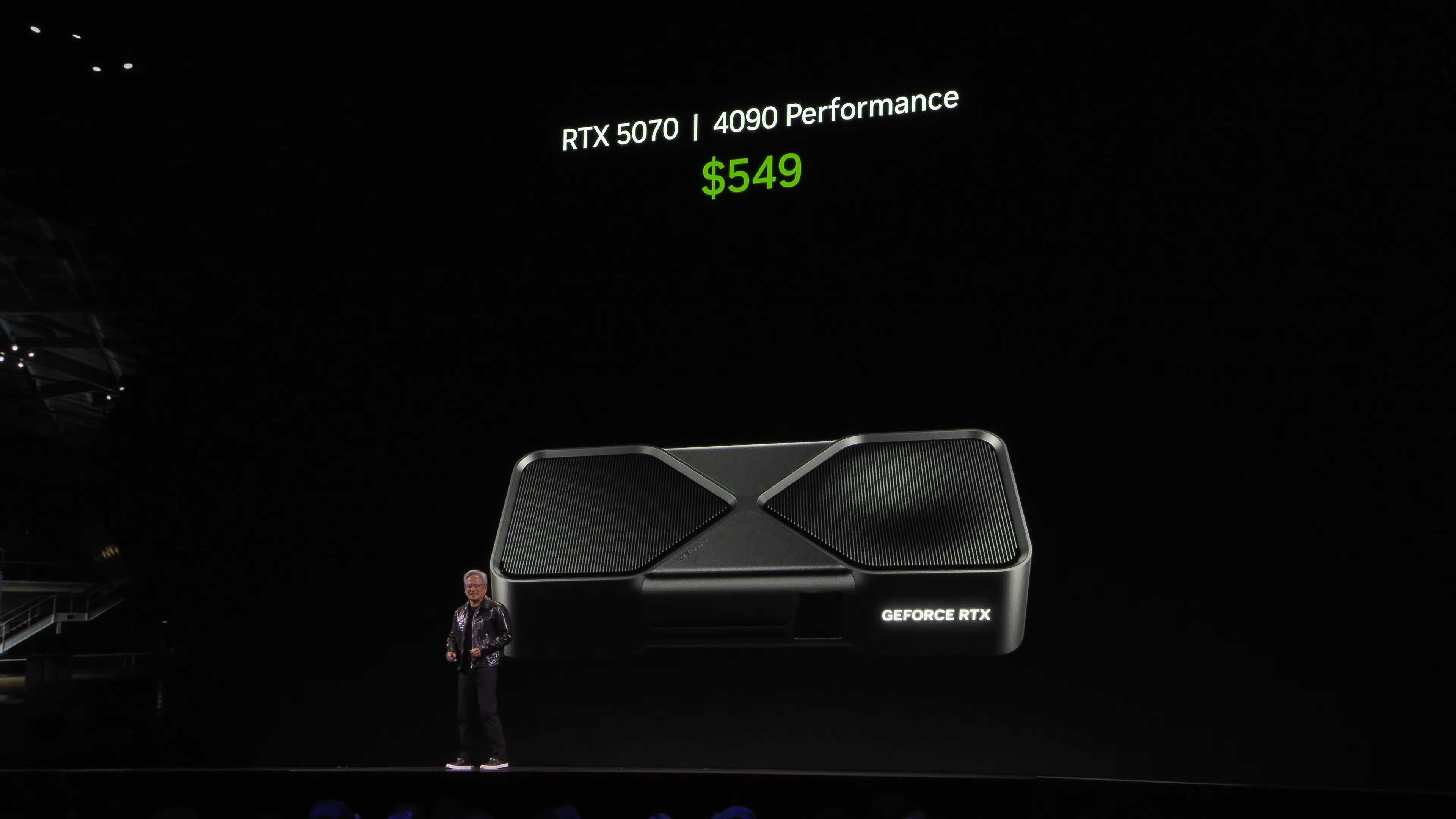
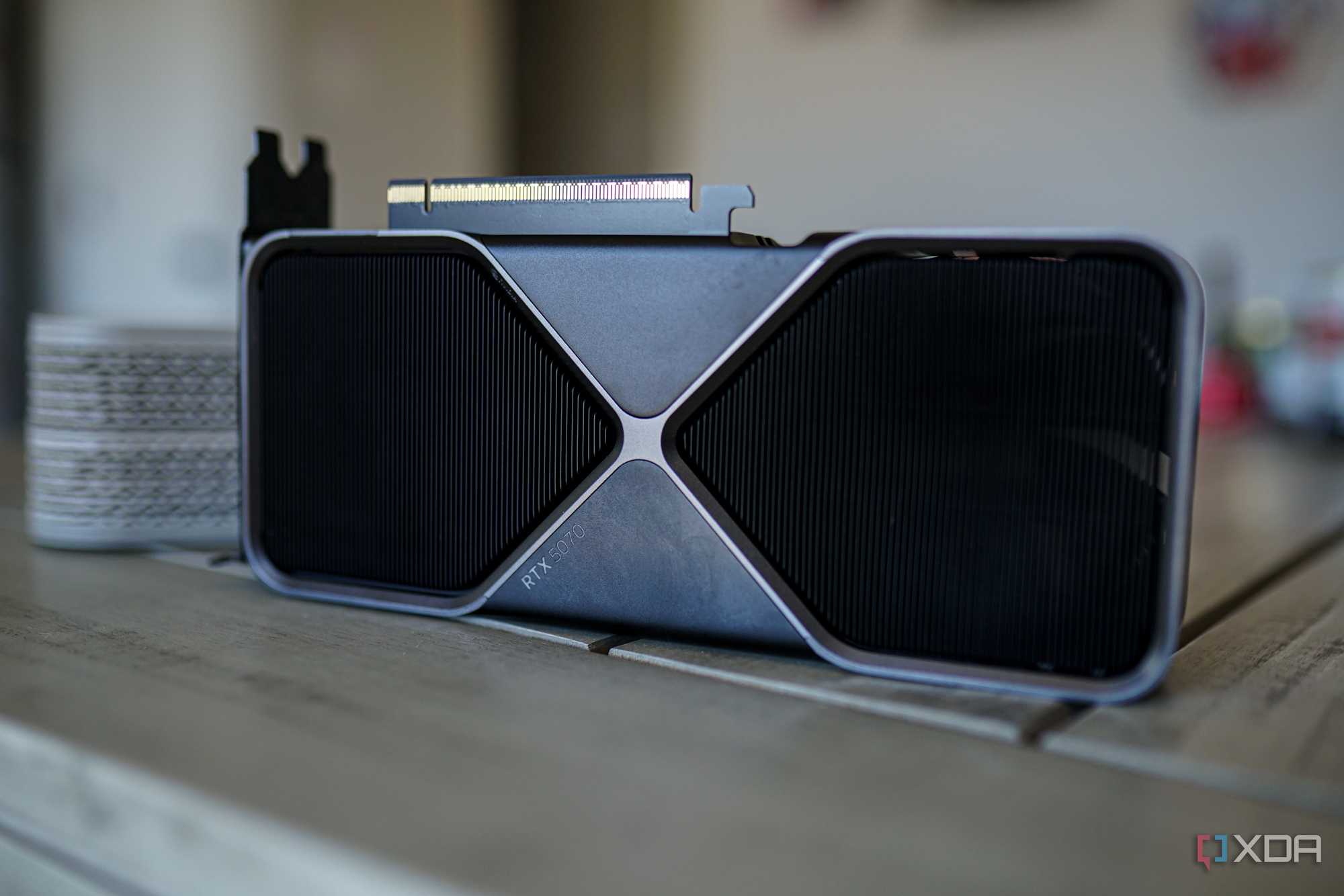
Nvidia's Blackwell cards are the most advanced consumer GPUs on the market right now. The company holds the performance crown and is behind each of the top 5 GPUs in the world, based on raw computational power. The RTX 50 series GPUs may be the best picks for high-end gaming, but when it comes to local LLMs and other AI workloads, the five-year-old RTX 3090 is arguably the better buy. It boasts raw performance equivalent to the RTX 5070, a massive 24GB framebuffer, and is relatively affordable on the pre-owned market. Barring the monster that is the RTX 5090 — which perhaps ten people in the world own right now — the RTX 3090 is better than every Blackwell GPU due to its performance and VRAM combination.
The RTX 3090 nails the performance and VRAM sweet spot
It's hard to find an equivalent
Source: Nvidia 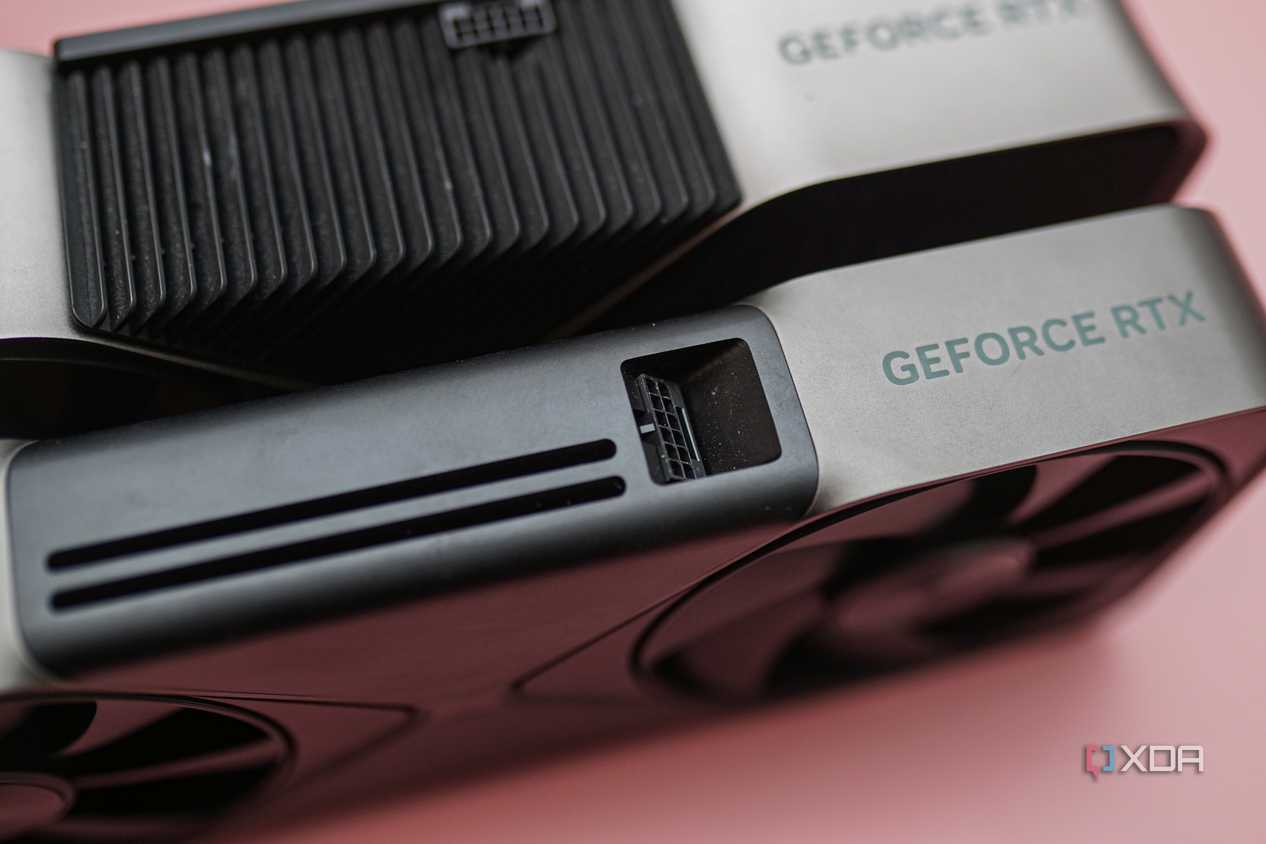
Source: Wikimedia Commons


 Credit: Nvidia
Source: Nvidia 
Source: Wikimedia Commons

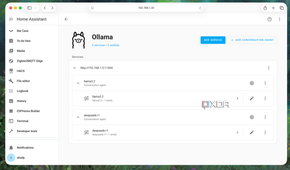
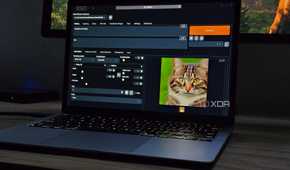
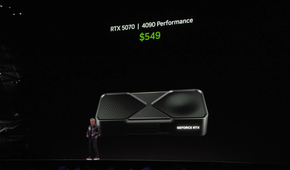

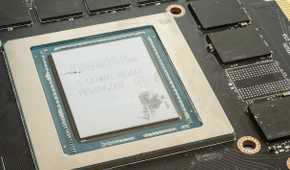
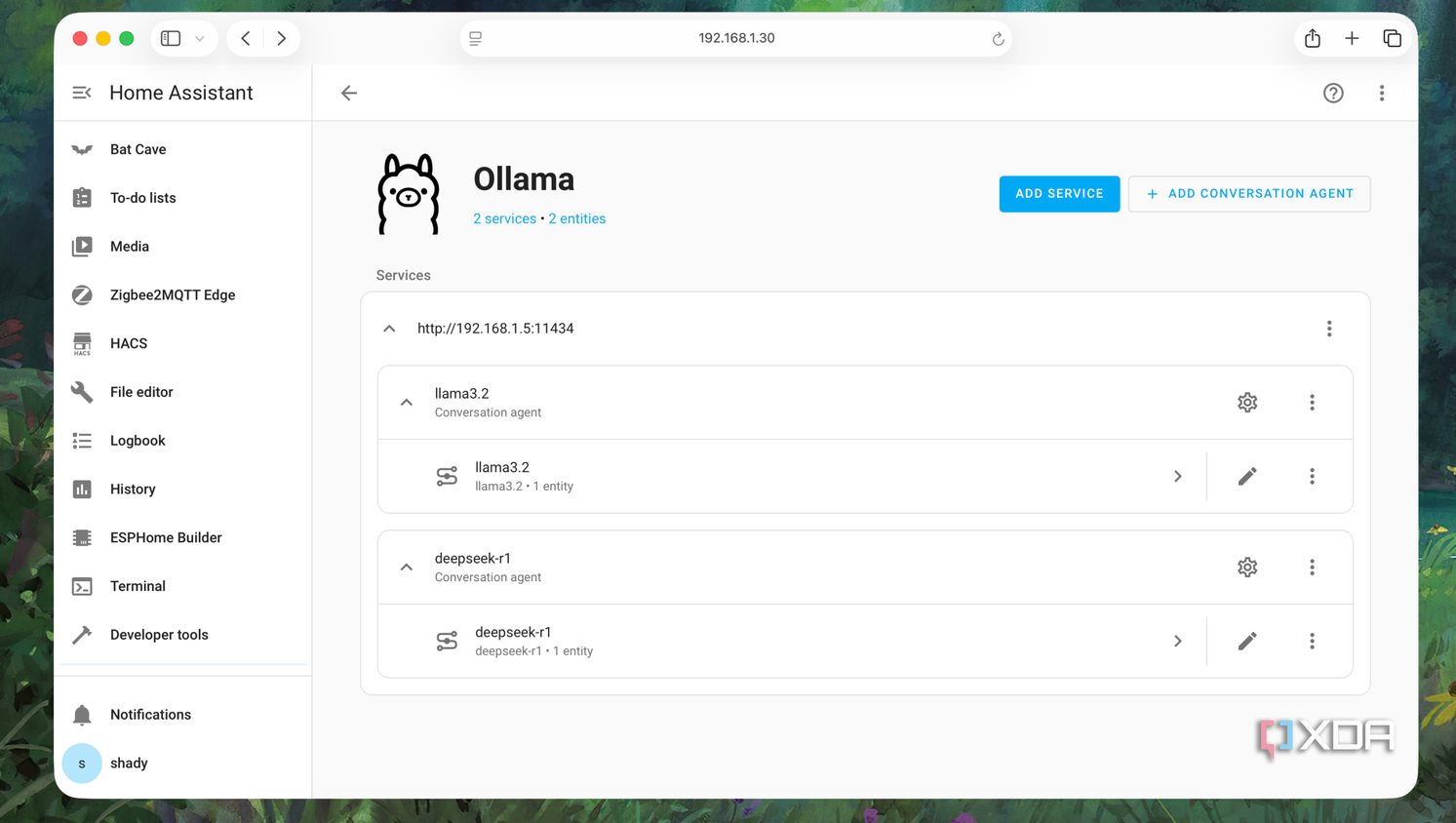
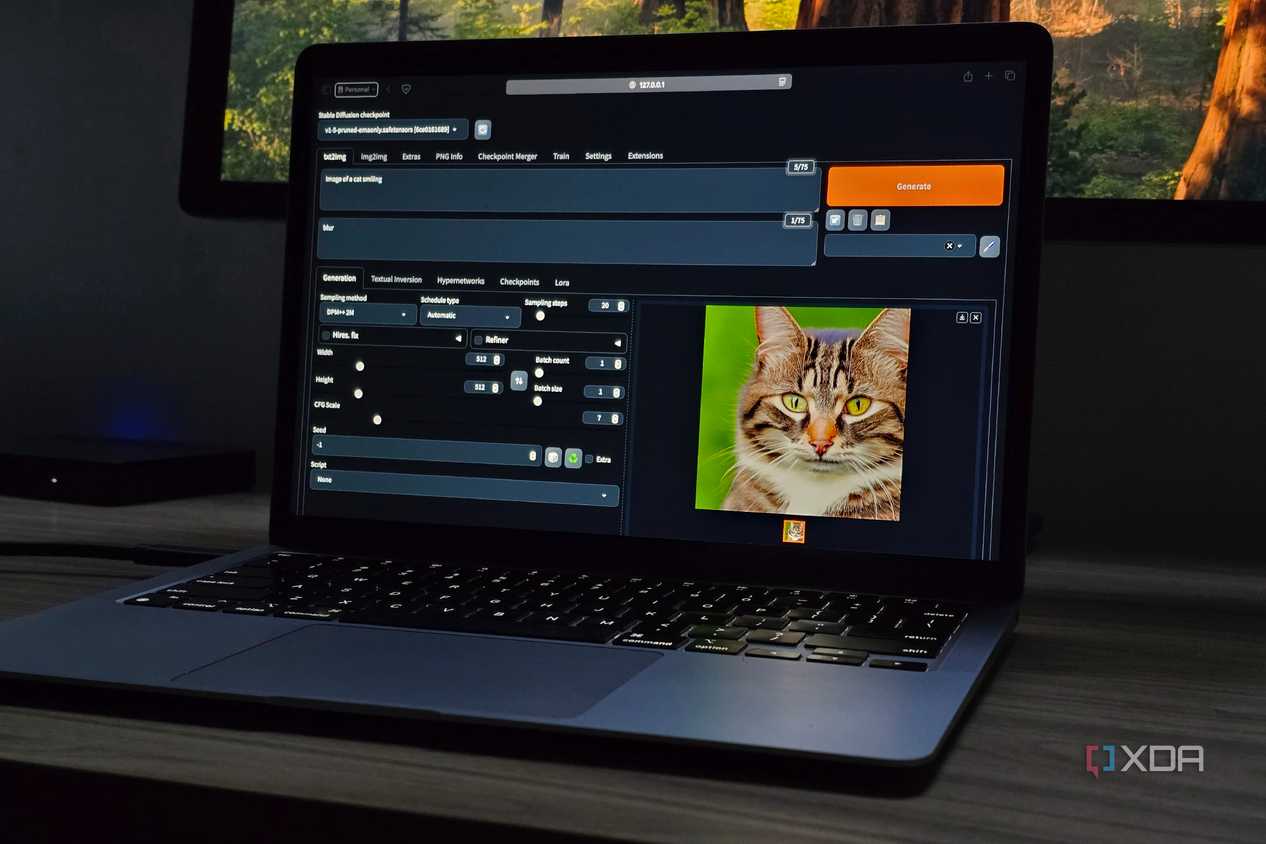
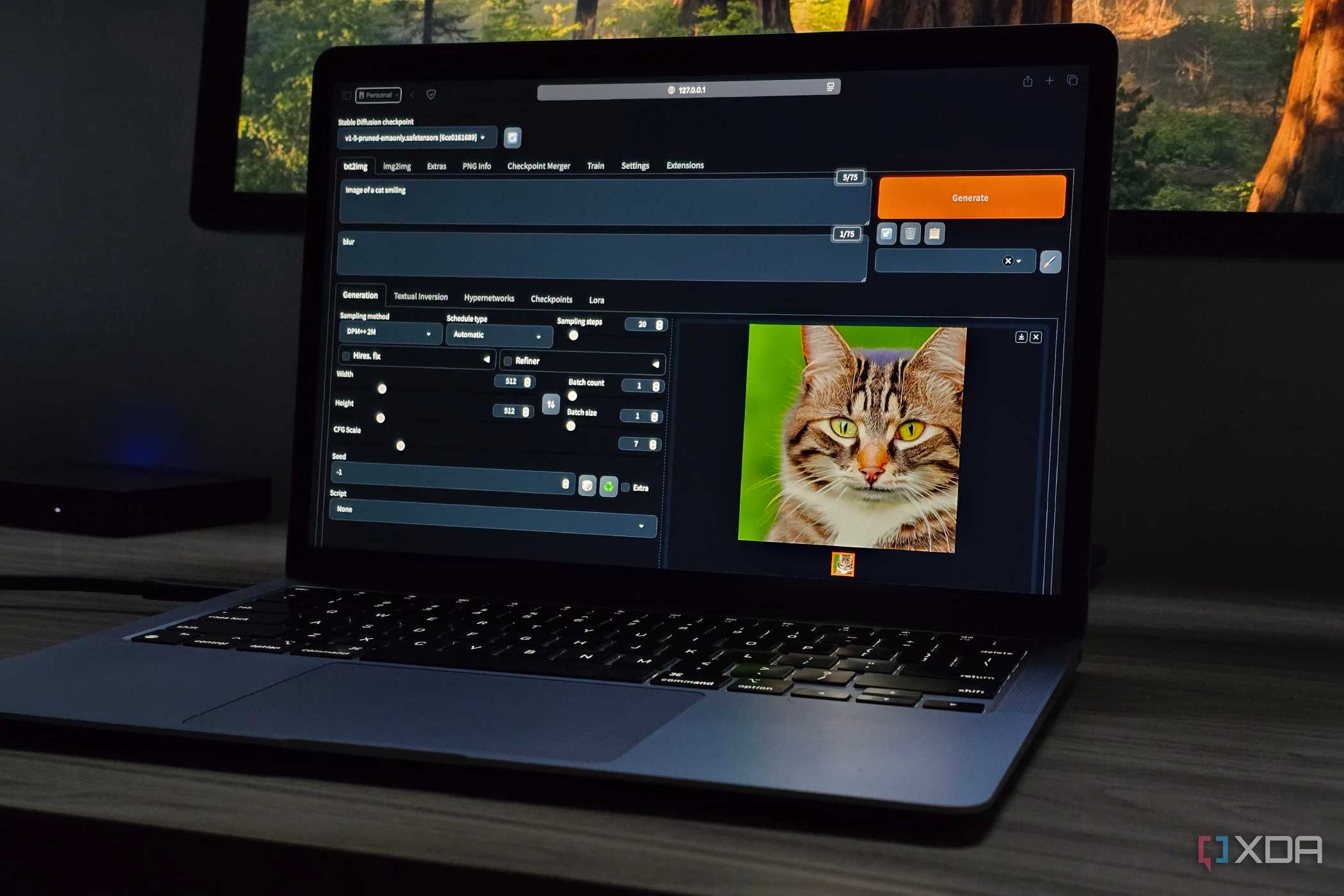
If you're after no-compromise 4K gaming in the latest titles, then you might call the RTX 3090 "outdated." It gets beaten in raw performance by the likes of the RTX 4070 Ti and RX 9070, and also lacks official support for Nvidia's frame generation technology. Where it shines, however, is local AI computation, thanks to the 24GB of VRAM, something unheard of in today's Nvidia cards, except on the overpriced RTX 5090. Training local LLMs with dozens of billions of parameters on your system needs more VRAM than most of the new Nvidia cards will provide you with. Even if you simply want to generate images and videos with programs like Stable Diffusion without waiting forever, you need all the VRAM you can get without blowing $3,500 on an RTX 5090.
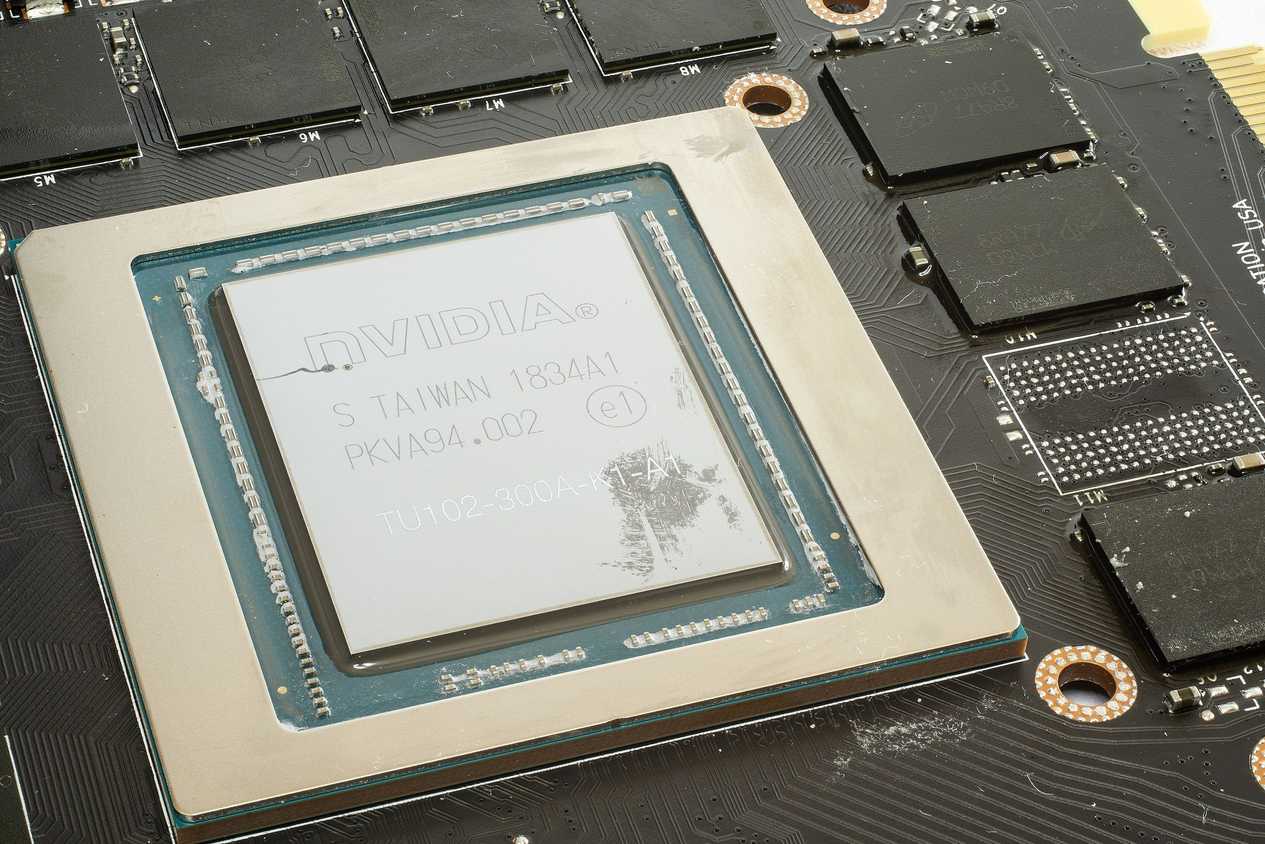
The 3rd-generation Tensor cores on the RTX 3090 aren't at the level of the 5th-gen cores found on the Blackwell GPUs, but they still offer reliable performance for any LLM training and inference workloads you might want to run. The 5-year-old supports FP16/BF16 mixed precision training and is fully compatible with almost all major AI frameworks. Plus, thanks to its age, it enjoys a more mature software ecosystem than that of the RTX 50 series GPUs. Whether you look at the community support, optimized kernels, or predictable behavior of the card, the RTX 3090 is a fantastic card for AI enthusiasts in 2026.
With RTX 5070 levels of raw performance combined with 24GB of VRAM, the RTX 3090 can do what most Blackwell GPUs cannot, due to VRAM limitations. Nvidia has even limited the RTX 5080 to 16GB of VRAM, and forces customers to overspend on the RTX 5090 if they need any more memory than that. The RTX 3090 came out at a time when the company did not use VRAM for artificial segmentation. Over five years later, it presents itself as an attractive opportunity for local AI enthusiasts.
Used RTX 3090s are way more affordable
The value is strong with this one

I mentioned how the RTX 5090 is basically out of reach of 99.9% of the population. That stands true even if you want to buy a pre-owned unit. You'll have to fork out at least $1,500 even for a used RTX 5090 on eBay. Compare that to multiple RTX 3090s going for around $600 on the same platform, and you start to see why it's a bargain — that's a 60% discount on the $1,500 MSRP of the RTX 3090. Whichever way you cut it, the RTX 3090's VRAM per dollar is insane. You can even buy two RTX 3090s for less than the price of a single used RTX 5090, and scale your AI home lab to new heights. Let's say you don't want comparisons with the RTX 5090, since it handily beats the RTX 3090 in performance as well as VRAM. However, even a pre-owned RTX 5080 with 16GB of VRAM costs at least $1,000.
As long as you buy from a reputable seller on eBay, you don't have to worry too much about losing your money to a scam. Look for the seller's ratings and reviews and check how many sales they've made. Listings with unusually low prices from relatively new sellers on the platform can be avoided. If you're just getting into local LLMs and other AI workloads and have around $500–$600 to invest in a graphics card, you can't do better than a used RTX 3090.
RTX 3090 owners don't need an upgrade
The current market makes the Ampere GPU even more appealing



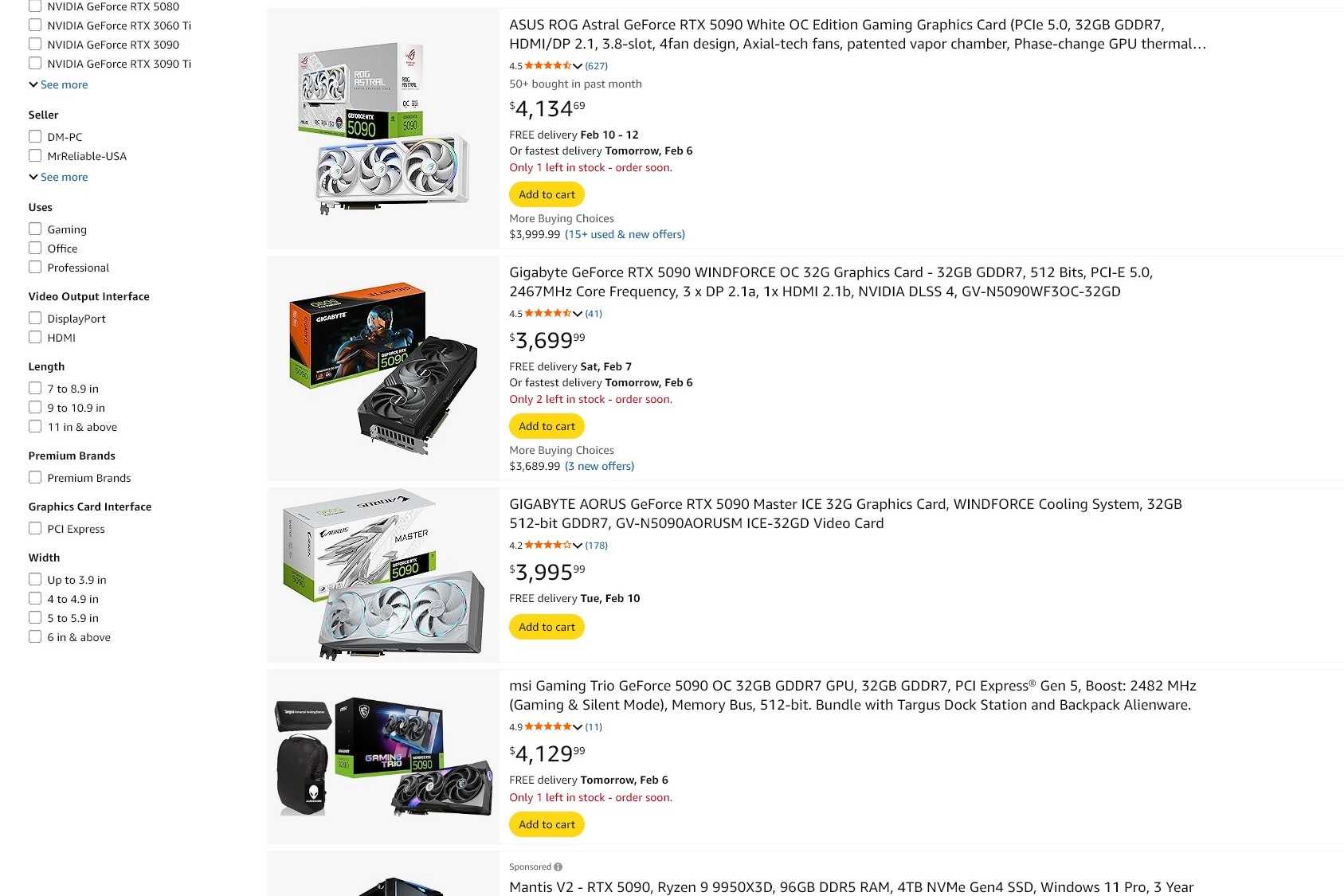



What if you already own the iconic RTX 3090? In that case, you don't need to think about an upgrade anytime soon. Whether you're running the latest games or multiple LLMs, the Ampere GPU is still good enough. Sure, you'll have to lower the in-game settings at higher resolutions and skip some advanced AI workloads optimized for the latest GPUs, but that won't hamper your experience in any major way. Besides, the way the hardware market is going, things will get way worse before they start to get better. Buying another high-end GPU to replace your RTX 3090 is easier said than done when everything from the RTX 5070 Ti and RX 9070 XT to the RTX 5080 is overpriced. The memory crisis has sadly affected not just consumer RAM but SSDs and graphics cards, too.
You should be glad that your RTX 3090 just became more relevant than ever. Five years is a good time to spend with a GPU before replacing it, but the market is crazy right now. Fortunately, delaying your upgrade isn't going to be too hard, since the RTX 3090 will remain a powerful GPU for another few years. When the market eventually corrects in two years or so, you can think about an upgrade.
The Ampere generation was an anomaly before Nvidia went all in on AI
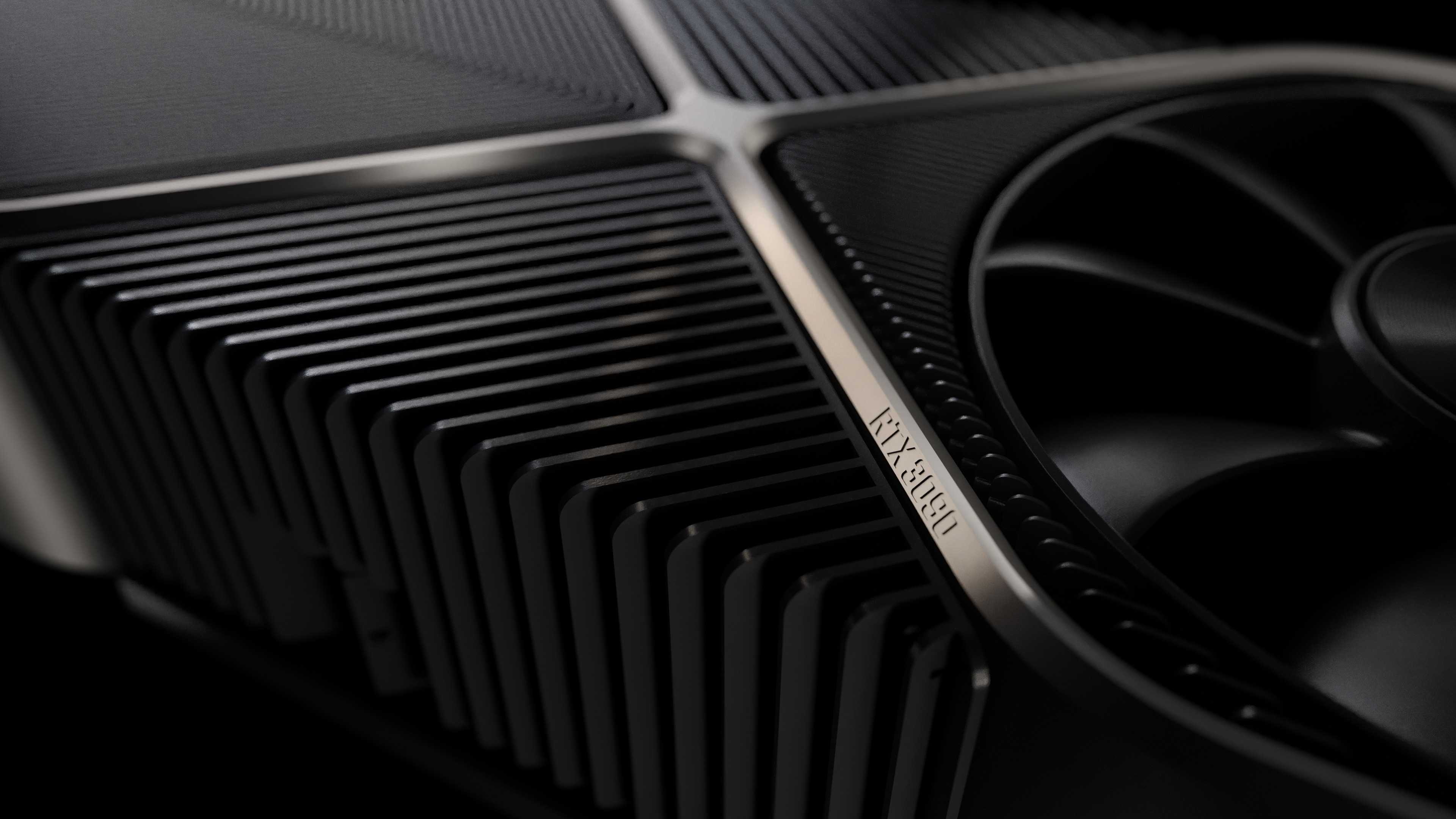
After the memorable Pascal series, perhaps the only time Nvidia launched decent GPUs for the price was the RTX 30 series. We got the RTX 3080 for $699, which was one of the best GPUs of all time. The RTX 3090 was a highly premium product at $1,499, but over 5 years later, it has aged quite well. You can get a pre-owned unit for around $600, which might be a lot to spend on a used gaming GPU, but its AI prowess speaks for itself. The 24GB of VRAM, combined with worthy raw performance make it highly attractive for local LLMs in 2026.
