





















Ancient hospital ruins yield clues to life with feared medieval disease
Archaeologists in England have uncovered new remains at one of the country's oldest and largest medieval leprosy hospitals, revealing clues about how patients may have lived centuries ago.
Archaeologists in England have uncovered new remains at one of the country's oldest and largest medieval leprosy hospitals, hundreds of years after the disease ravaged communities across Britain.
The recent excavation, reported by British news agency Jam Press, centered on South Common in Lincoln, a historic English city roughly 140 miles north of London.
The site was once home to the Hospital of the Holy Innocents, which was founded between the late 11th and early 12th centuries.
MYSTERIOUS SETTLEMENT DISCOVERED AFTER RESIDENTS SEEMINGLY PACKED UP AND VANISHED
During a three-day excavation, archaeologists from the British television program "Time Team" uncovered traces of medieval walls and possible living quarters.
The hospital operated for nearly 500 years, housing up to 20 leprosy patients at a time, officials said.
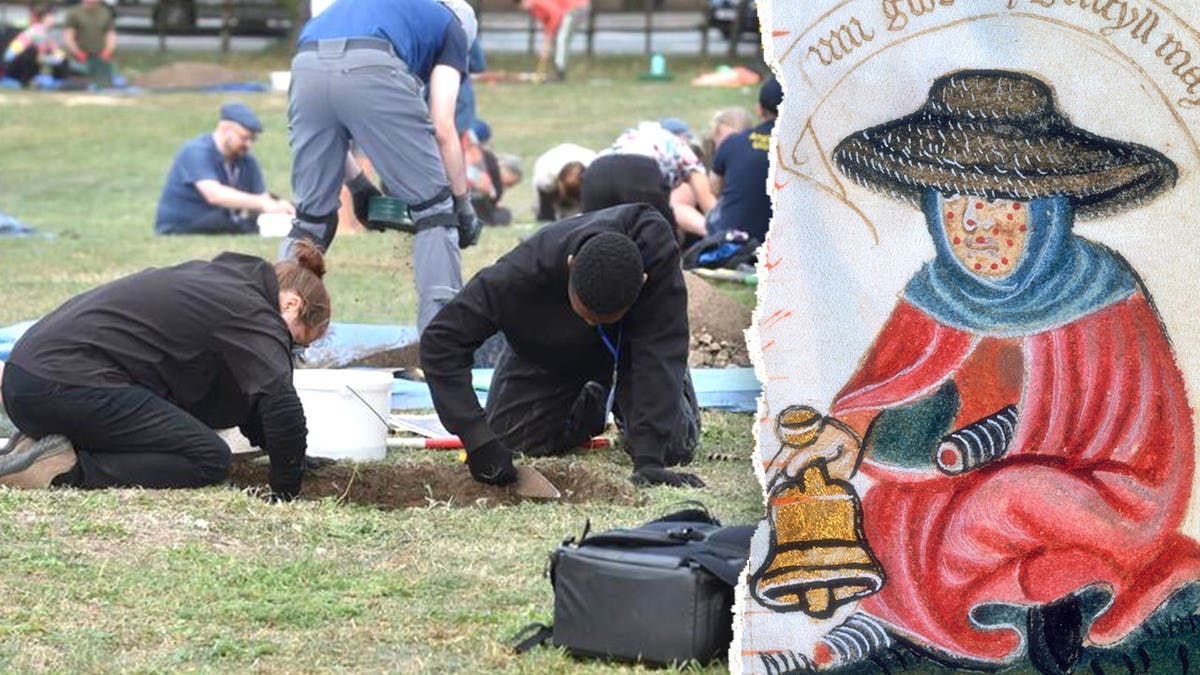
Archaeologists have uncovered new remains of a medieval leprosy hospital that operated for nearly 500 years. (Jam Press/City of Lincoln Council; Heritage Art/Heritage Images via Getty Images)
The findings build on an excavation that took place last year, when volunteers unearthed walls, building surfaces and artifacts linked to the former hospital.
This time, researchers identified traces of small, square features that may have served as individual living quarters or enclosed yards for patients. The structures have never been excavated before, researchers said, according to Jam Press.
SHOCKING DISCOVERY OF ANCIENT BONES TURNS COUPLE'S KITCHEN RENOVATION INTO 'CRIME SCENE'
The findings offer a rare glimpse into how leprosy patients may have lived during the Middle Ages, including who could afford to receive care.
"You'd need to have resources to get in here," professor Carenza Lewis of the University of Lincoln said, according to Jam Press.
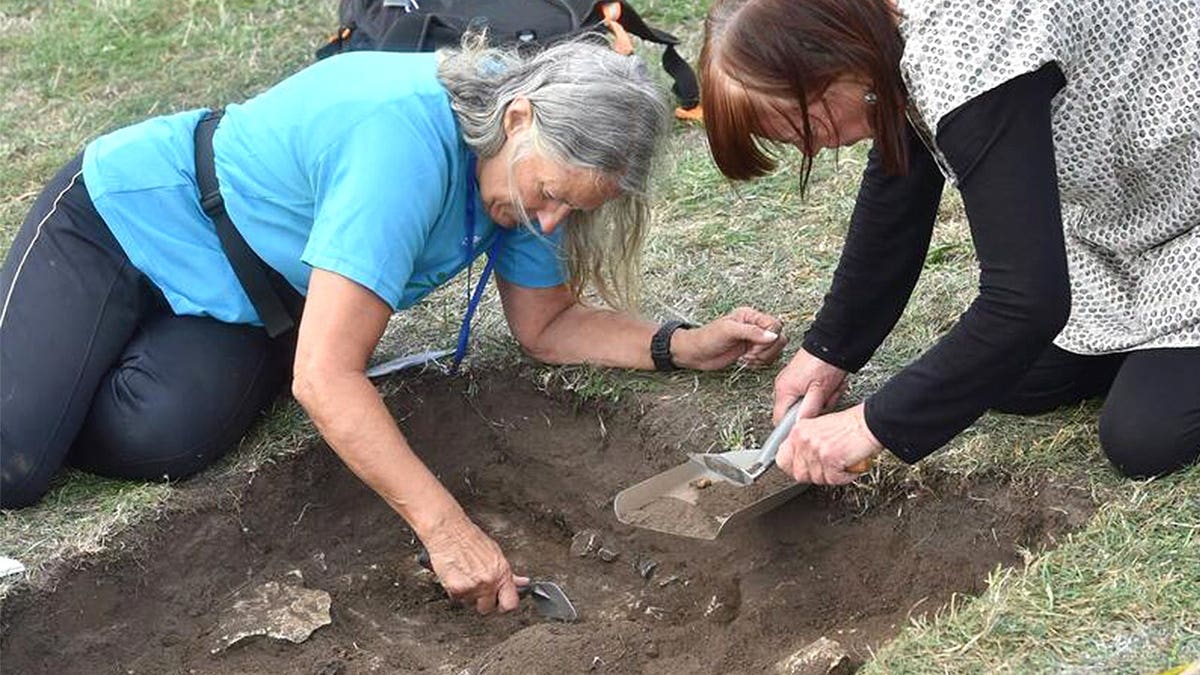
Archaeologists investigating South Common in Lincoln have uncovered evidence of small, square structures that may have housed medieval leprosy patients. (Jam Press/City of Lincoln Council)
"If you had enough money and could buy your way into a leper hospital, it's a bit like getting a place in a private care home or something like that."
Historical documents suggest the hospital accommodated up to 20 patients, who may have lived in separate structures with small yards, Lewis said.
CLICK HERE TO SIGN UP FOR OUR LIFESTYLE NEWSLETTER
"We know that they had little sorts of curtilages [enclosed plots of land], which implies they're separate little buildings, little houses with a little yard, perhaps," she said.
Leprosy, also known as Hansen's disease, is a chronic bacterial infection that primarily affects the skin, nerves and eyes.
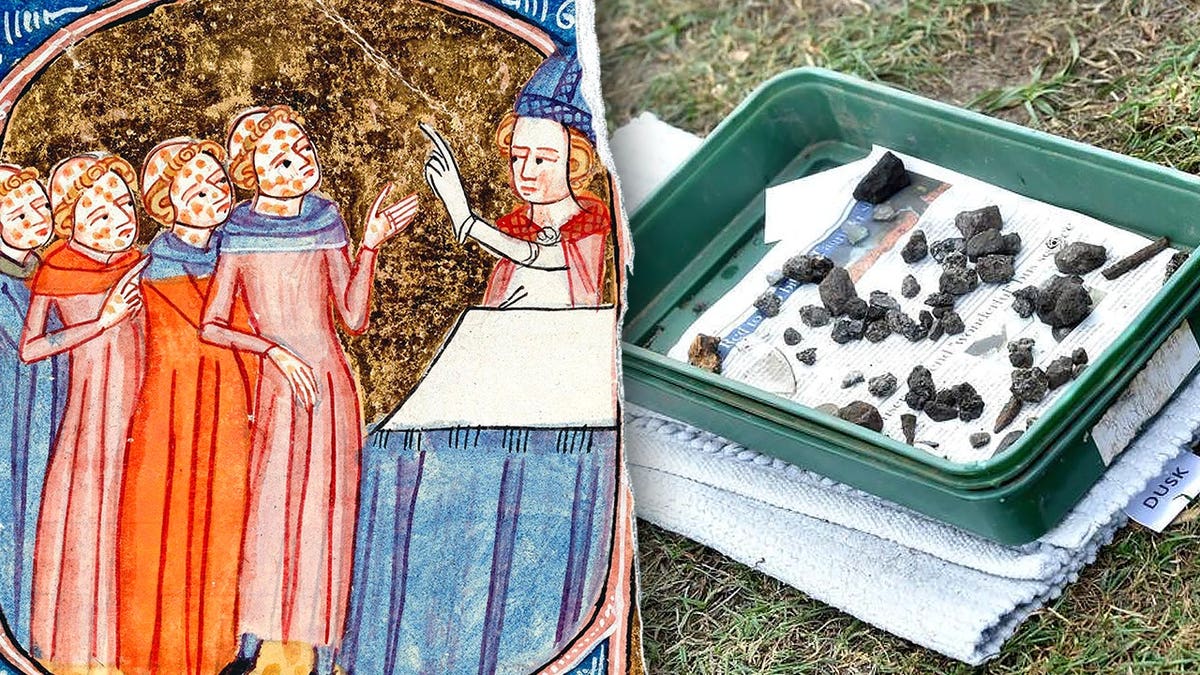
The Hospital of the Holy Innocents, founded between the late 11th and early 12th centuries, once housed patients suffering from leprosy. (Pictures From History/Universal Images Group via Getty Images; Jam Press/City of Lincoln Council)
Although the disease can cause severe disfigurement if left untreated, it is curable with antibiotics and still exists today.
CLICK HERE FOR MORE LIFESTYLE NEWS
The excavation is part of a three-year research project led by Anglia Ruskin University, which aims to learn more about the people who lived, worked and died at the medieval hospital.
Leprosy is curable with antibiotics and still exists today.
Tim Taylor, the creator of "Time Team," said the site could reveal more about Lincoln's archaeological past.
TEST YOURSELF WITH OUR LATEST LIFESTYLE QUIZ
"Lincoln has an extraordinary archaeological story, and this site promises to give us the opportunity to uncover a fascinating part of it," Taylor said, Jam Press reported.
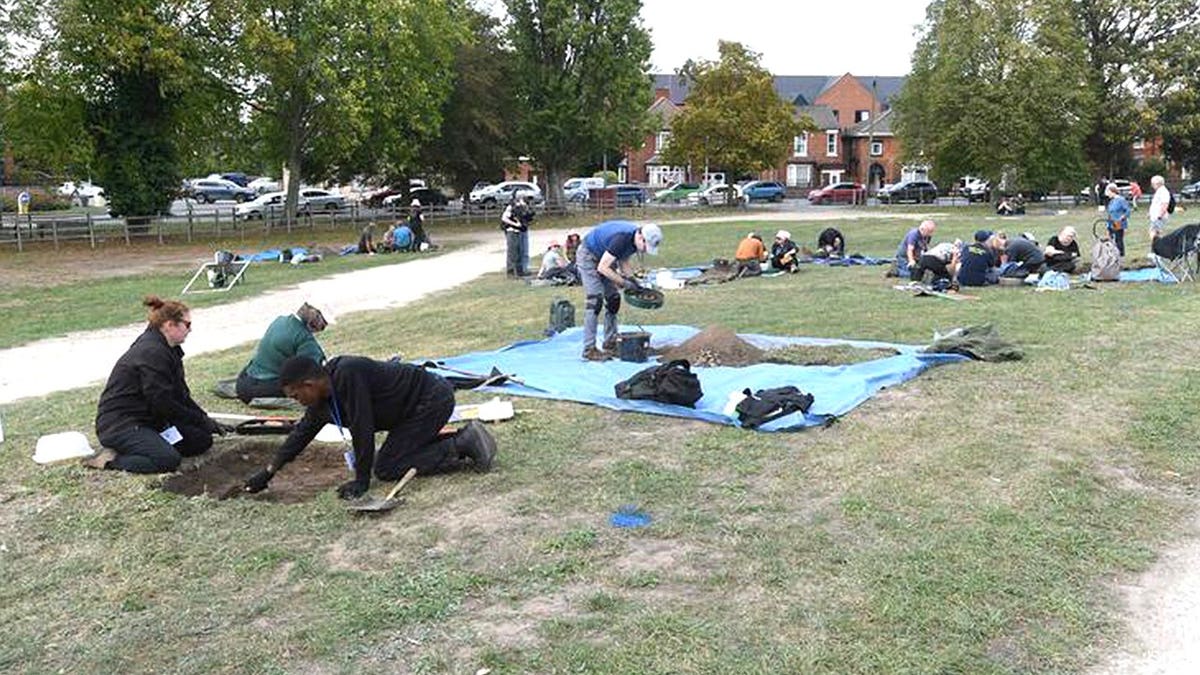
Researchers say the newly identified structures may offer clues about how patients lived at one of England's oldest medieval leprosy hospitals. (Jam Press/City of Lincoln Council)
The findings come after a similar discovery last year in York, England, where a sinkhole in a city street exposed the remains of one of northern England's largest medieval hospitals.
CLICK HERE TO DOWNLOAD THE FOX NEWS APP
The remains were believed to belong to St. Leonard's Hospital and date back to the 12th or 13th century.

