

Software Maintenance is the process of updating and modifying software after it has been delivered to users. It ensures that the system continues to work efficiently, securely, and meets changing user requirements by fixing bugs, improving performance, and adding new features.
- It is a continuous process carried out throughout the Software Development Life Cycle (SDLC).
- Helps in keeping the software aligned with changing user needs and technologies.
- Requires proper planning, testing, version control, and can be costly for complex systems.
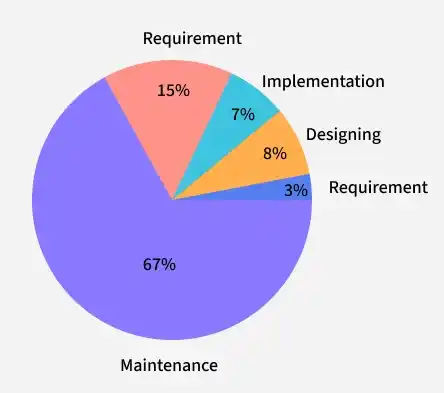
Key Aspects of Software Maintenance
- Bug Fixing: The process of finding and fixing errors and problems in the software.
- Enhancements: The process of adding new features or improving existing features to meet the evolving needs of the users.
- Performance Optimization: The process of improving the speed, efficiency, and reliability of the software.
- Porting and Migration: The process of adapting the software to run on new hardware or software platforms.
- Re-Engineering: The process of improving the design and architecture of the software to make it more maintainable and scalable.
- Documentation: The process of creating, updating, and maintaining the documentation for the software, including user manuals, technical specifications, and design documents.
Types of Software Maintenance
- Corrective maintenance: Corrective maintenance of a software product may be essential either to rectify some bugs observed and the system is in use, or to enhance the performance of the system.
- Adaptive maintenance: This includes modifications and updations when the customers need the product to run on new platforms, on new operating systems, or when they need the product to interface with new hardware and software.
- Perfective maintenance: A software product needs maintenance to support the new features that the users want or to change different types of functionalities of the system according to the customer's demands.
- Preventive maintenance: This type of maintenance includes modifications and updations to prevent future problems with the software. It goals to attend to problems, which are not significant at this moment but may cause serious issues in the future.
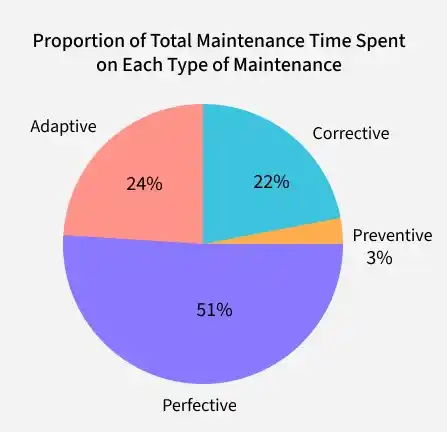
Maintenance can be categorized into proactive and reactive types. Proactive maintenance involves taking preventive measures to avoid problems from occurring, and reactive maintenance involves addressing problems that have already occurred.
Need for Maintenance
Software Maintenance must be performed in order to:
- Correct faults.
- Improve the design.
- Implement enhancements.
- Interface with other systems.
- Support changes in hardware, software, and communication systems.
- Migrate legacy software.
Challenges in Software Maintenance
The various challenges in software maintenance are given below:
- Frequent Modifications: It may degrade the original software structure, making future maintenance more difficult.
- Lack of Documentation: Poorly documented systems can make it difficult to understand how the system works, making it difficult to identify and fix problems.
- Legacy Code: Maintaining older systems with outdated technologies can be difficult, as it may require specialized knowledge and skills.
- Complexity: Large and complex systems can be difficult to understand and modify, making it difficult to identify and fix problems.
- Changing Requirements: As user requirements change over time, the software system may need to be modified to meet these new requirements, which can be difficult and time-consuming.
- Interoperability Issues: Systems that need to work with other systems or software can be difficult to maintain, as changes to one system can affect the other systems.
- Lack of Test Coverage: Systems that have not been thoroughly tested can be difficult to maintain as it can be hard to identify and fix problems without knowing how the system behaves in different scenarios.
- Lack of Personnel: A lack of personnel with the necessary skills and knowledge to maintain the system can make it difficult to keep the system up-to-date and running smoothly.
- High-Cost: The cost of maintenance can be high, especially for large and complex systems, which can be difficult to budget for and manage.
Advantages
- Improved Software Quality: Regular software maintenance helps to ensure that the software is functioning correctly and efficiently and that it continues to meet the needs of the users.
- Enhanced Security: Maintenance can include security updates and patches, helping to ensure that the software is protected against potential threats and attacks.
- Extended Software Life: Proper software maintenance can extend the life of the software, allowing it to be used for longer periods of time and reducing the need for costly replacements.
- Cost Savings: Regular software maintenance can help to prevent larger, more expensive problems from occurring, reducing the overall cost of software ownership.
- Reduced Downtime: Software maintenance can help to reduce downtime caused by system failures or errors. This can have a positive impact on business operations and reduce the risk of lost revenue or customers.
- Improved Scalability: Regular software maintenance can help to ensure that the software is scalable and can handle increased user demand. This can be particularly important for growing businesses or for software that is used by a large number of users.
Disadvantages
- Cost: Software maintenance can be time-consuming and expensive, and may require significant resources and expertise.
- Complexity: Maintaining and updating complex software systems can be challenging, requiring specialized knowledge and expertise.
- Risk of Introducing New Bugs: The process of fixing bugs or adding new features can introduce new bugs or problems, making it important to thoroughly test the software after maintenance.
- Compatibility Issues: Maintenance can sometimes cause compatibility issues with other software or hardware, leading to potential integration problems.
- Lack of Documentation: Poor documentation or lack of documentation can make software maintenance more difficult and time-consuming, leading to potential errors or delays.
- Technical Debt: Over time, software maintenance can lead to technical debt, where the cost of maintaining and updating the software becomes increasingly higher than the cost of developing a new system.
