


My first home server was cobbled together from old hardware I had lying around, and started as more of an experiment than anything else. I loaded it up with a bunch of media, and my attitude at the time was that none of it really mattered because it could all be replaced. It was mostly ripped movies, TV shows, and random files that I wanted to share out over the network. None of it felt worth the hassle to back up.
After a year with that server, my Plex library had grown to a respectable size. Backups still didn't cross my mind, especially since everything had been humming along fine this whole time. Then, one random morning, a drive just died. There wasn't a warning period or time to save anything; all the data was just gone.
I didn't actually lose anything important. I was smart enough to keep irreplaceable files on redundant disks, so the important data survived unscathed. What I lost was my junk drawer, which turned out to be a lot more annoying than I thought it'd be.
Everything on my dead drive was replaceable
But reacquiring all those files was a giant pain


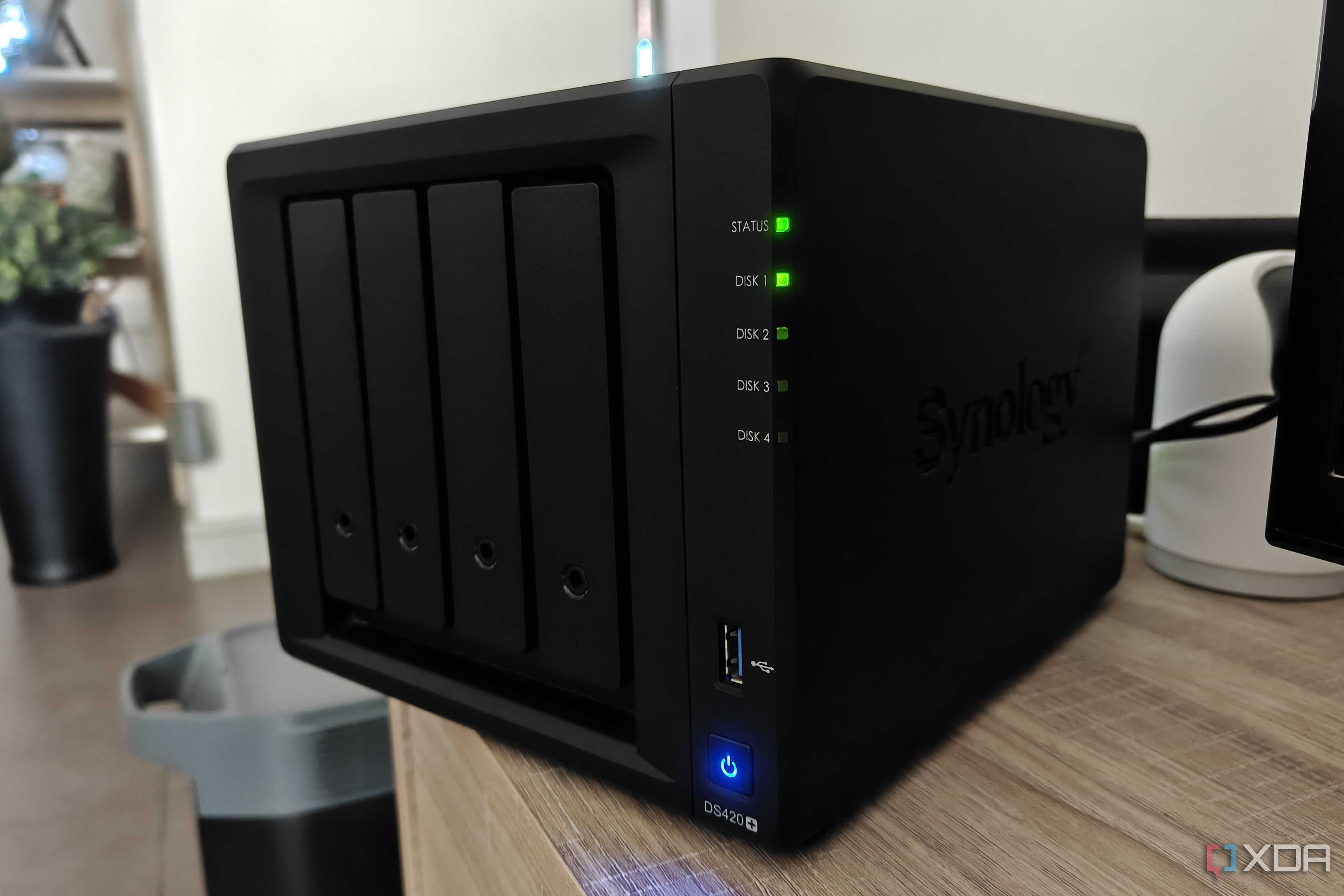
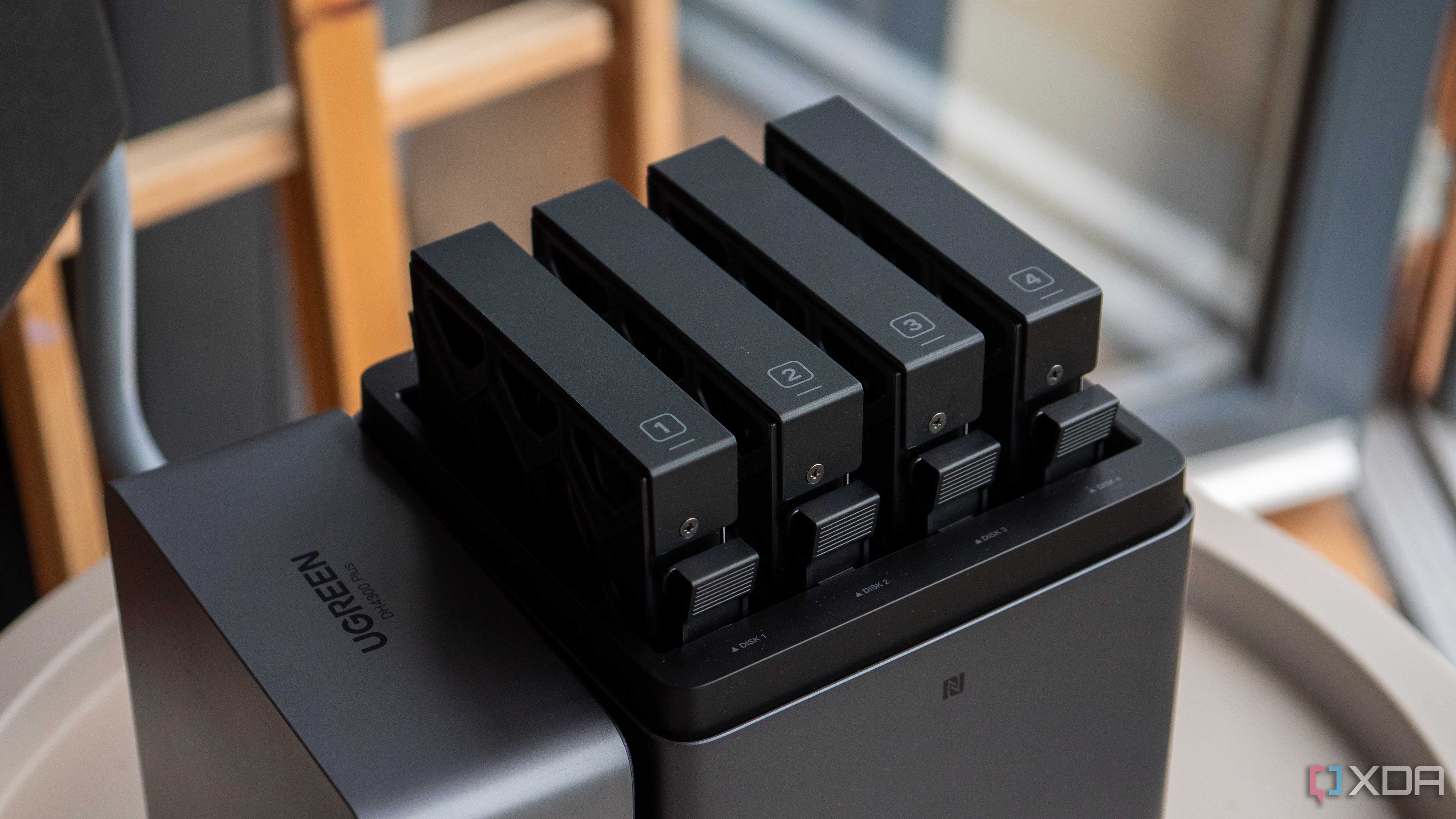

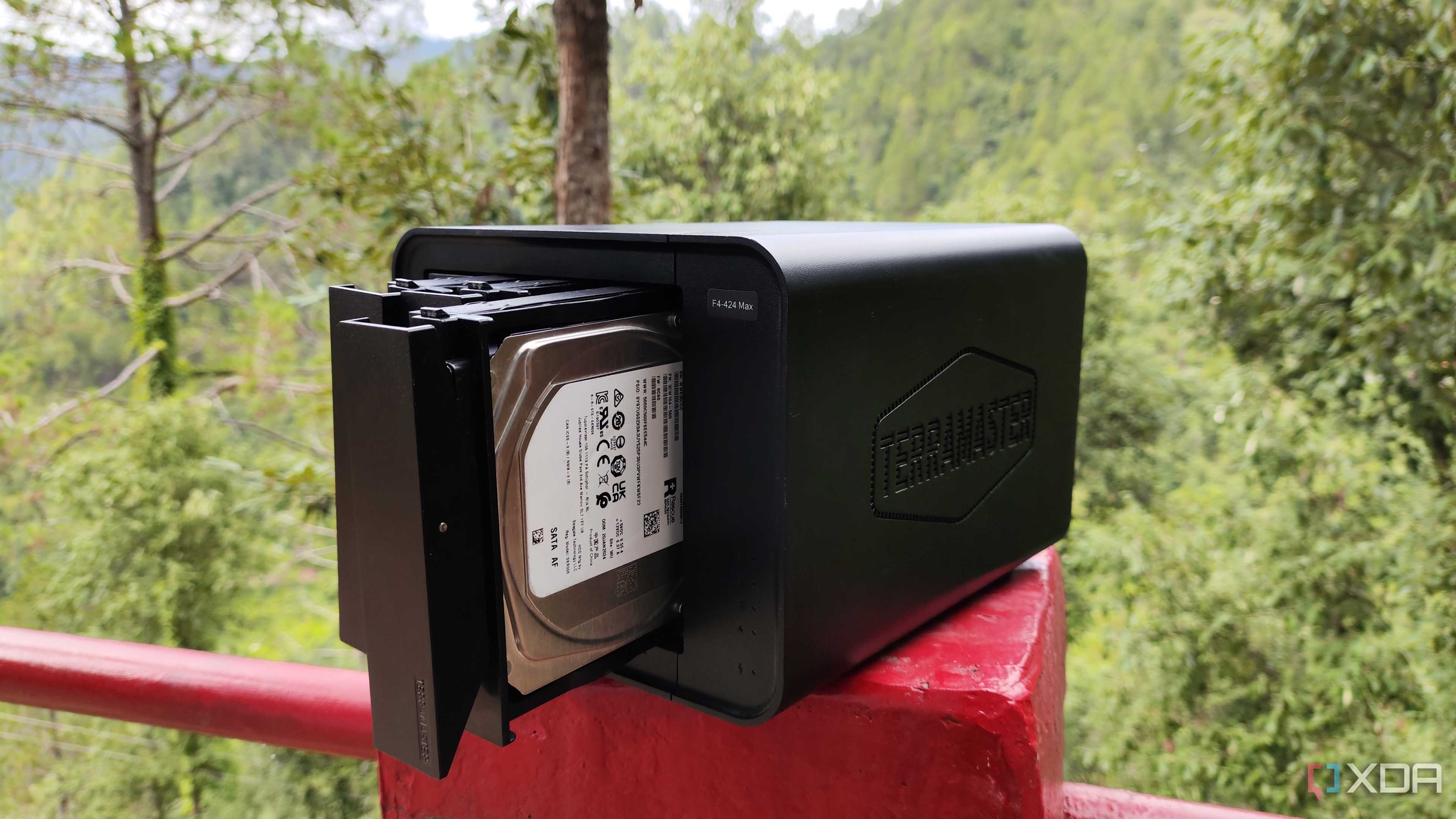
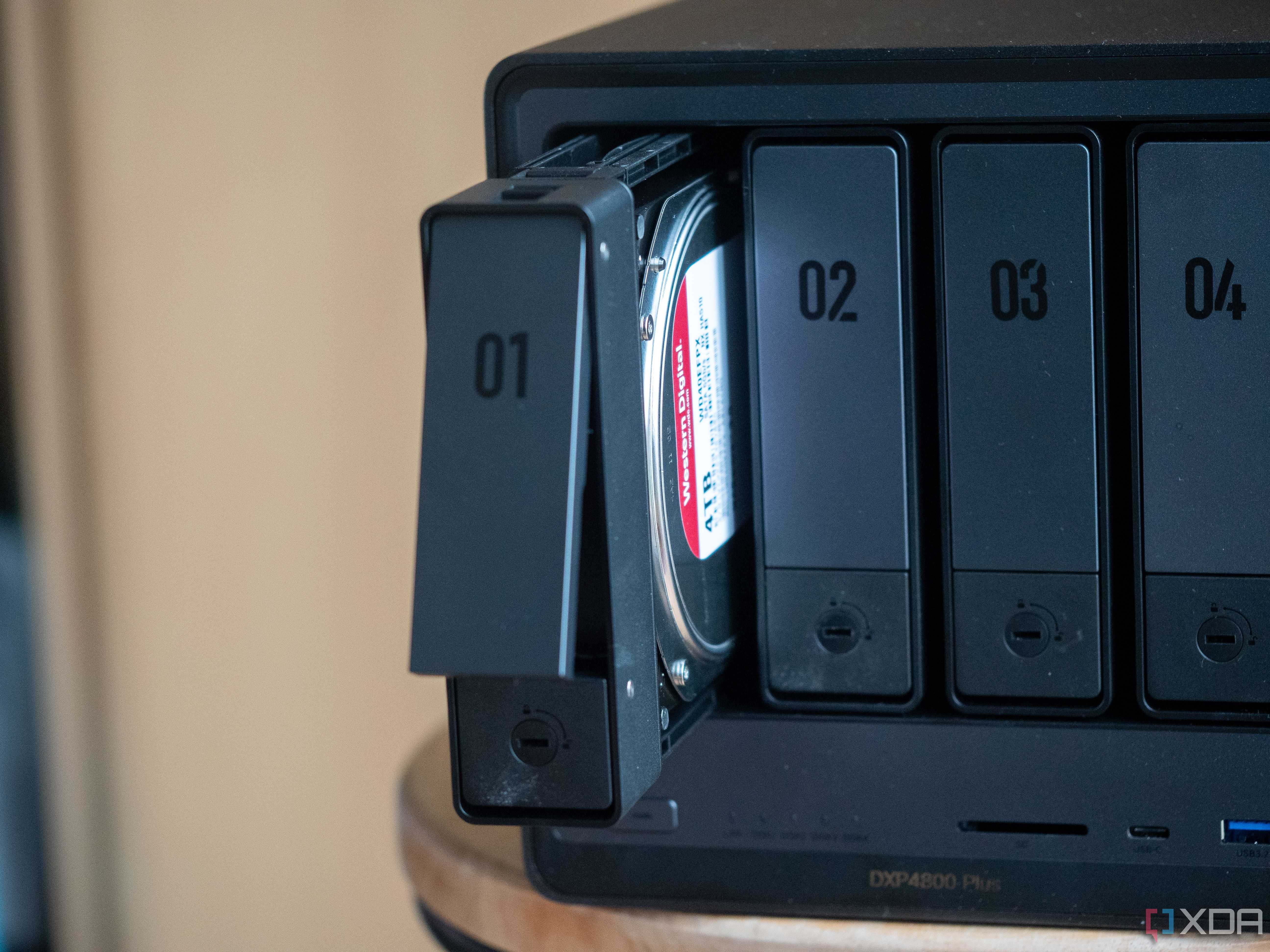
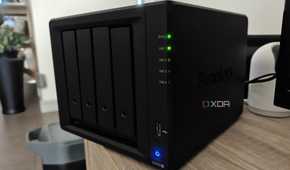
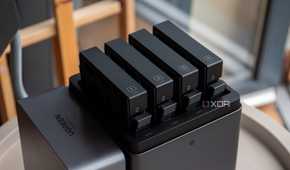

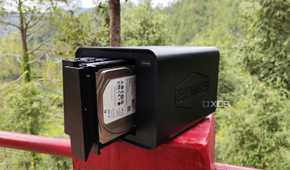
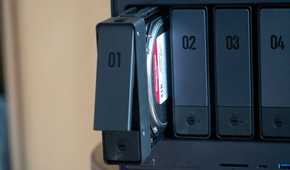
Nothing on the failed hard drive was sentimental. All the movies could be re-ripped or re-downloaded, so I was much luckier than some people who only learned this lesson after losing precious family photos. What I hadn't accounted for was the sheer inconvenience of actually rebuilding from scratch. For starters, I wasn't even sure what exactly I'd lost. There were thousands of movies, many of which took me a long time to find, and I had no way of figuring out what the titles were now that the files were gone.
Needless to say, months went by before I got anywhere near amassing the files I had before the drive failed. Every few days, I'd remember another movie that used to be there, so my lack of backup continued to inconvenience me a lot longer than I ever would've guessed. At least with critical data, you know immediately what's gone and can recover it or make peace with its farewell. With my file archive, I'd rediscover missing files every week.
The whole ordeal also exposed how much I'd been conflating redundancy with an actual backup. Copies of the important files on a second drive kept the irreplaceable data safe, but the failure made me realize how easily both drives, or the entire system, could've gone down together, and then no amount of redundancy would've mattered.
Now every drive gets backed up without exception
Because convenience is a good enough reason for backups

After that drive died, I didn't really change anything on my setup. All I did was buy two new drives (an extra one for redundancy), and started reaccumulating files — except this time, they'd be backed up. My backup script is really just rsync commands, the only backup tool you need.
The rsync script syncs all my data to a second drive, and then to an offsite VPS. The crux of the 3-2-1 backup strategy is in that last number: one backup should be offsite. If my only backup is sitting on the same computer as the data it's mirroring, then a catastrophic event on the server spells disaster for both drives, and all copies of my files disappear. The offsite backup protects against that.
Isn't backing up junk data overkill?
Not all data deserves the same treatment

Plenty of people would probably object to backing up ripped movies. I understand if it feels like a waste of storage and bandwidth. That's the type of stance that had me avoiding a backup in the first place. I can't blame anyone who avoids backing up their Plex library because they're tight on space, but I hope they at least keep a list of all the content they want to replace whenever they eventually lose everything.
What changed my mind about backing up my media drive was the realization that just because something is technically replaceable, doesn't mean that it's trivial to replace. Now if something goes wrong, I have backups that I can restore from, and everything is back up and running in a reasonable amount of time. Best of all, I don't have the headache of cataloging everything I care enough about, and I don't need to scour the web for reliable downloads of all my missing content.
Backing up everything was the laziest (and best) solution
I now back up all my data indiscriminately, and I don't plan to go back to picking what's worth backing up or not. The annoyance of reacquiring all my files that I take for granted just isn't worth it. With 3-2-1 backups, I never think about drive failures anymore. That peace of mind is worth far more than the extra storage and rsync jobs it costs me.

